Trees
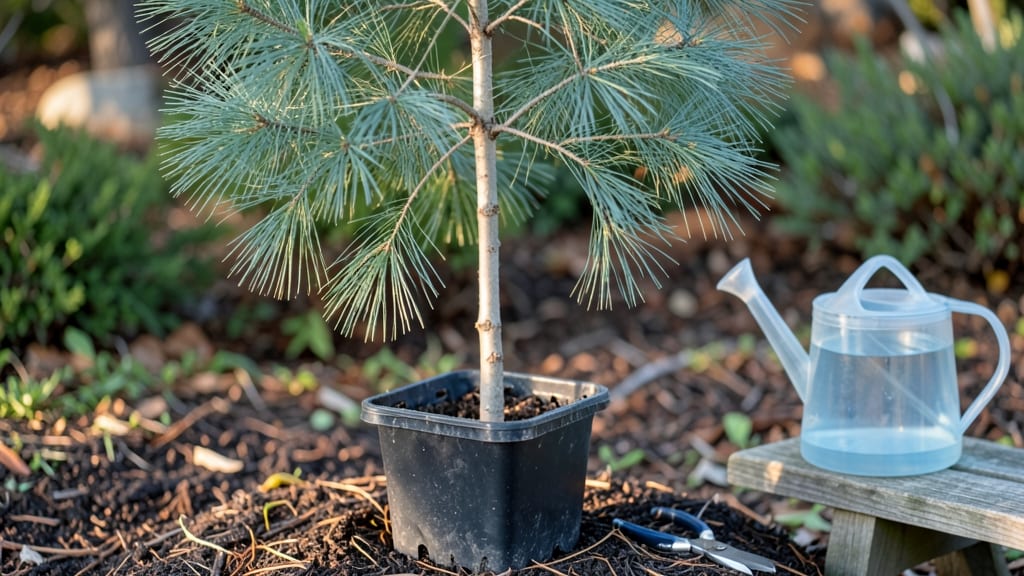
Starting bald cypress seedlings opens the door to a tree that thrives where others drown—literally. 🌿 These iconic swamp trees bring that dramatic, feathery silhouette to wetland gardens, and growing them from seed is easier than you'd think, especially when you know the right timing and soil tricks.
I planted my first batch last spring, and within months, their needle-like foliage was already standing out against the pond's edge.
The secret to success starts with moist, acidic soil—think peat moss mixed with sand to mimic their natural bog habitat. Plant seeds just ¼-inch deep in early spring, when soil temperatures hit 60°F, and keep them consistently damp (not soggy).
A shallow tray with a mesh bottom works perfectly for germination, which typically takes 2-4 weeks. Once sprouts appear, thin to the strongest seedlings and give them full sun to prevent leggy growth.
By summer's end, you'll have 2-3 foot saplings with that signature bald cypress shape. The real magic happens in their second year, when roots develop deep enough to handle seasonal flooding.
My seedlings now stand 6 feet tall and attract birds year-round—proof that patience with these wetland wonders pays off in dramatic fashion. The key is keeping them moist but not waterlogged, and avoiding transplant shock by hardening off seedlings before moving them permanently.
These trees adapt beautifully to zones 4-10, making them versatile for both northern swamps and southern wetlands. In colder climates, plant in spring after the last frost; in warmer zones, fall planting works too.
The biggest mistake? Overwatering—cypress seedlings hate sitting in stagnant water. With the right care, you'll have a living monument to your wetland garden in just a few seasons.
📚 In This Guide
- What you need
- Instructions
- Tips and common mistakes
- Wrapping up and next steps
What you need
- ● Bald cypress seedlings: 1–5 plants (depending on garden size; opt for 1–2 year-old seedlings for best success).
- ● Well-draining, acidic soil mix: 50% peat moss or coconut coir + 30% garden soil + 20% perlite/sand (for moisture retention and aeration).
- ● Container or planting site: Containers: 5–10 gallon pots with drainage holes (1 per seedling).
- ● Outdoor site: A sunny to partially shaded area with 6+ inches of standing water (for natural wetland conditions).
- ● Organic mulch: 2–3 inches of pine straw or wood chips (to retain moisture and suppress weeds).
- ● Fertilizer: Slow-release acid-loving plant fertilizer (e.g., 10-10-10 or 8-3-9) or composted pine needles.
- ● Water source: Hose with a gentle spray nozzle or a drip irrigation system (for consistent moisture).
- ● Garden trowel or shovel (for planting).
- ● Pruning shears (to trim dead branches or shape young seedlings).
- ● pH testing kit (to ensure soil pH stays between 4.5–6.0).
- ○ Water level indicator (optional, for monitoring flood depth in containers).
- ○ Epsom salt (magnesium sulfate) (optional, 1 tbsp/month in water for nutrient boost).
Step-by-step instructions for growing bald cypress seedlings
Here’s how to nurture these resilient swamp trees from seed into sturdy young plants.
🌱 Step 1: Stratify and Sow Seeds Properly
Bald cypress seeds need cold stratification to break dormancy. Place the seeds between two damp paper towels in a sealed plastic bag, then refrigerate for 60-90 days. Check weekly—they’re ready when tiny white roots emerge.
Fill 4-inch pots with moistened seed-starting mix (never garden soil—it’s too dense). Plant each seed ½ inch deep, spacing them 1 inch apart. Cover with a thin layer of additional mix, then lightly mist the surface. Keep pots in a shady, warm spot (70-75°F) until germination.
💧 Step 2: Maintain Consistent Moisture and Humidity
Cypress seedlings thrive in wet conditions, but avoid waterlogging. Keep the soil evenly damp—not soggy—by watering whenever the top ½ inch feels dry. Use a spray bottle to mist leaves daily, as they prefer high humidity (70%+).
Group pots together to create a microclimate, or place them on a tray of pebbles with shallow water underneath. Condensation on the pot’s sides is a good sign—it means humidity levels are ideal. Overwatering causes root rot, so always check drainage holes for excess moisture.
☀️ Step 3: Gradually Acclimate to Sunlight
Start seedlings in partial shade (morning sun only) for the first 4-6 weeks. After true leaves form (not the initial seed leaves), move them to bright, indirect light. Direct sun can scorch tender new growth, so avoid harsh afternoon rays.
By 3 months old, seedlings can handle 4-6 hours of filtered sunlight daily. If leaves yellow, they’re getting too much sun—relocate to a shadier spot immediately. Bald cypress is adaptable, but young plants need gentle transitions to prevent stress.
✂️ Step 4: Thin and Transplant for Stronger Growth
Once seedlings reach 6 inches tall, thin them to one per pot by snipping weaker stems at the base with clean scissors. This reduces competition for nutrients. Repot into 6-inch containers with fresh seed-starting mix if roots outgrow their current space.
Transplant outdoors only after two growing seasons (or when 1-2 feet tall) to ensure roots are established. Choose a wetland or bog garden spot with 6+ inches of standing water during rainy seasons. Mulch with 2 inches of organic matter to retain moisture and suppress weeds.
🪴 Step 5: Protect and Monitor for Pests/Diseases
Bald cypress is naturally pest-resistant, but watch for aphids or spider mites on young leaves. Spray with neem oil if needed, but avoid chemical treatments—they harm beneficial insects. Fungal issues (like root rot) appear as blackened stems or wilting—remove affected plants immediately.
Fertilize lightly in spring with a balanced, slow-release fertilizer (10-10-10). Over-fertilizing causes salt buildup in wet soils. Prune only to remove dead branches—cypress grows best with minimal interference. With patience, your seedlings will mature into tall, graceful wetland giants.
Tips & tricks for perfect bald cypress seedling growth
Growing bald cypress from seed takes patience, but these insights will help you avoid the most common pitfalls and maximize your success.
Stratification Precision: The 60-90 day cold stratification period is non-negotiable for breaking dormancy, but consistency matters more than exact timing. I place my seeds in a sealed bag with damp paper towels and check weekly for root emergence. If you're impatient, you can extend this to 120 days—just don't rush it. The key is maintaining even moisture throughout the process without letting the towels dry out.
Seed-Starting Mix Secrets: Never use garden soil—it's too dense and compacted for tender seedlings. I recommend a high-quality seed-starting mix that contains perlite or vermiculite for excellent drainage. For extra insurance, mix in a small amount of sand (about 10% by volume) to prevent compaction in the 4-inch pots. This helps prevent that dreaded root rot that can kill seedlings before they even sprout.
Humidity Hack: Creating that ideal 70%+ humidity environment can be tricky without fancy equipment. My go-to method is placing the seed trays on a bed of damp pebbles inside a clear plastic storage container with the lid slightly ajar. This creates a self-regulating humidity chamber while still allowing for airflow. The condensation on the container sides tells me I've got it just right—no guesswork needed.
Sunlight Transition Strategy: The gradual acclimation to sunlight in Step 3 is where most beginners make mistakes. Start with just morning sun for those first 4-6 weeks, then move to bright indirect light. I use a sheer curtain to diffuse harsh afternoon rays when transitioning. Watch for yellowing leaves—they're your early warning system for too much direct sunlight. Remember, bald cypress is a swamp tree at heart, so it's better to err on the side of too little sun than too much.
Pro Tips for Bald Cypress Seedling
- Growing bald cypress from seed takes patience, but these insights will help you avoid the most common pitfalls and ma...
- Stratification Precision: The 60-90 day cold stratification period is non-negotiable for breaking dormancy, but consi...
- Seed-Starting Mix Secrets: Never use garden soil—it's too dense and compacted for tender seedlings. I recommend a hig...
Frequently asked questions
Got questions about growing bald cypress seedlings? You’re not alone—these unique trees thrive in wet conditions but need the right care. Here are answers to common concerns to help you get started with confidence!
How long does it take for bald cypress seedlings to grow into mature trees?
Bald cypress seedlings grow at a moderate pace—expect about 1–2 feet per year under ideal conditions. With proper care, they can reach 50–75 feet tall in 20–30 years. Patience pays off, as their iconic knees and feathery foliage develop gradually!
When is the best time to plant bald cypress seedlings?
The optimal planting window is early spring (March–April) or fall (September–October). Avoid extreme heat or frost—seedlings struggle with transplant shock. If planting in wetland areas, ensure the soil stays consistently moist but not waterlogged during establishment.
Can bald cypress seedlings survive in standing water?
One of their superpowers is flood tolerance. Bald cypress thrives in wet soils or shallow water (up to 6 inches deep) thanks to their aerial roots. However, deep or fast-moving water may stress young seedlings—plant in areas with seasonal flooding for best results.
What are some alternatives if bald cypress seedlings are hard to find?
If bald cypress isn’t available, consider these wetland-friendly swampshield alternatives:
- Taxodium distichum ‘Peve Minaret’ – Compact, slow-growing dwarf variety.
- Nyssa sylvatica (Black Tupelo) – Tolerates wet soils and has striking fall color.
- Magnolia virginiana (Sweetbay Magnolia) – Thrives in bogs and coastal gardens.
- Chamaecyparis thyoides (Atlantic White Cedar) – Evergreen with similar moisture needs.
Check local nurseries for native wetland plants suited to your climate!
Why are my bald cypress seedlings turning yellow or dropping needles?
Yellowing or needle drop often signals stress from overwatering, poor drainage, or nutrient deficiencies. Check for:
- Root rot – Ensure soil isn’t soggy; amend with organic matter if compacted.
- Temperature shock – Avoid planting during heatwaves or frost.
- Nutrient lack – Fertilize lightly with acid-loving plant food in early spring.
If issues persist, test soil pH (ideal: 5.0–6.5) and adjust with sulfur or lime as needed.
Wrapping up and next steps
Growing bald cypress seedlings is a rewarding way to bring the beauty and resilience of wetland ecosystems to your garden—whether you're restoring a natural habitat or adding a striking focal point. 🌳 These trees thrive in soggy soils, offer year-round interest, and support local wildlife, making them a fantastic choice for eco-conscious landscaping.
Now that you’re equipped with the right knowledge, take the next step: visit a local nursery, source your seedlings, and start planting! Your future swampy oasis awaits.