
Trees
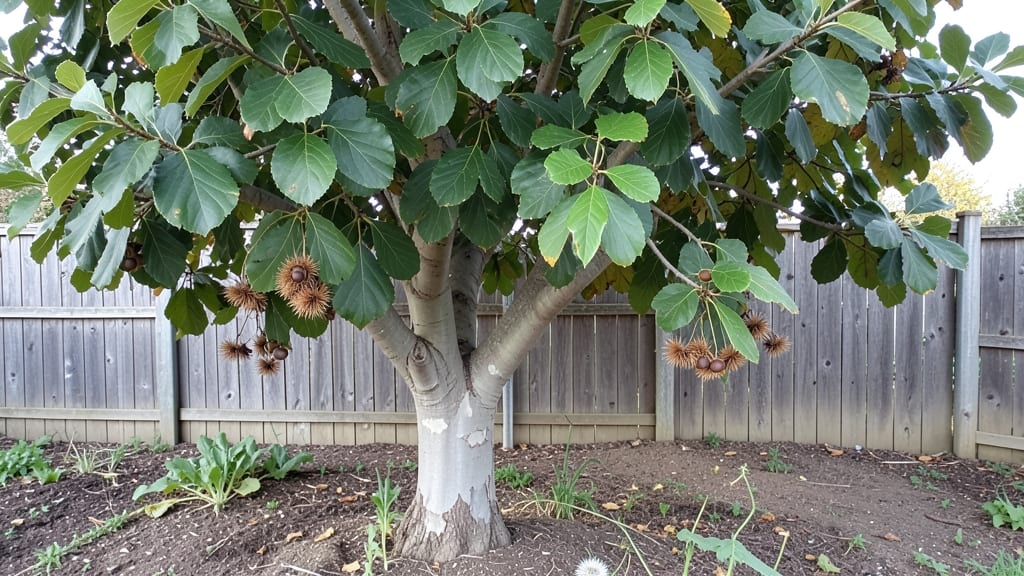
Beech tree seed pods hold the key to growing these stately giants from scratch—if you’re willing to wait. The first time we saw those spiky husks split open after months of dormancy, we knew patience would pay off with towering shade trees.
These seeds need a special trick to wake up, and getting it right means the difference between a thriving sapling and years of disappointment.
Collect the pods in late fall when they’re dry but still attached, then store them in a cool, dry spot until spring. The real secret? A 3-month cold treatment mimics winter, breaking dormancy just like nature would.
We’ve tried everything from burying them in damp sand to using a refrigerator—both work, but the refrigerator method gives you more control over timing.
Once germinated, those first tiny leaves appear like magic, but they’re fragile. Keep seedlings in bright, indirect light and water only when the top inch of soil feels dry. Within a year, you’ll have a sturdy little tree ready to plant outdoors—though it’ll take decades to reach its full majesty.
Every step feels worth it when you watch that first leaf unfurl.
Perfect for patient gardeners with space to spare. These trees thrive in well-drained soil and full sun, making them ideal for backyards, parks, or large landscapes. Just remember: good things come to those who wait—and beech trees take their time.
Nature’s Timing Triggers Seed Pods
Beech tree seed pods (Fagus spp.) are famous for their slow germination—sometimes taking years to sprout. But why does nature design them this way? The answer lies in a mix of survival strategies, ecological pressures, and biological quirks that ensure the next generation of beech trees thrives.
Here’s what’s really going on under the bark—and in the soil.
Beech tree seeds are encased in a thick, tough husk that resists water absorption and mechanical damage. This isn’t just random—it’s a delay tactic. Here’s why:
- 🔒 Protection from Predators: Birds, squirrels, and insects might snack on fresh seeds, but the hard shell deters most of them. Only animals with strong beaks (like jays) or specialized digestive systems can crack them open.
- 🌡️ Weatherproofing: The seed coat prevents germination during temporary moisture spikes (like brief rain showers). Instead, it waits for consistent, deep soil saturation—signaling stable conditions for a seedling.
- ⏳ Stratification Mimicry: Some seeds need cold stratification (a period of cold, moist conditions) to break dormancy. The hard coat forces seeds to undergo natural aging over time, mimicking this process without requiring external intervention.
Actionable Insight: If you’re impatient to grow beech trees, you can simulate this process by:
- 🔥 Scarifying: Nick the seed coat lightly with sandpaper or a knife to let water in.
- ❄️ Cold Moist Stratification: Soak seeds in water for 24 hours, then mix them with damp sand in a sealed bag in the fridge for 3–6 months.
Beech seeds often don’t germinate immediately even when conditions seem ideal. This is called secondary dormancy, and it’s a calculated risk:
| Why It Happens | Ecological Payoff |
|---|---|
| 🌳 Avoiding Competitive Crowding: If all seeds sprouted at once, seedlings would compete fiercely for sunlight and nutrients. Staggered germination ensures some survive. | Fewer seedlings = stronger, more resilient trees. |
| 🌧️ Waiting for the Right Season: Beech trees prefer spring or fall germination. A seed dropped in summer might wait until temperatures drop to avoid drought stress. | Higher chance of establishing roots before summer heat. |
| 🐿️ Predator Saturation: If too many seeds germinate at once, herbivores (like deer or rabbits) could wipe out a whole cohort. | Spreads out vulnerability over years. |
Pro Tip: If you’re planting beech seeds outdoors, don’t rush—let nature’s timing guide you. Sow them in late summer or early fall to align with their natural dormancy cycle. If planting in spring, stratify them first to bypass the wait.
Beech seeds don’t germinate in isolation—they’re part of a soil ecosystem. Two key factors play a role:
- 🍄 Fungal Partnerships: Beech seeds often rely on mycorrhizal fungi in the soil to help them absorb nutrients. If the fungal network isn’t established, germination can stall until the right microbes colonize the area.
- 💧 Soil Moisture Balance: Too much water can drown seeds, while too little triggers dormancy. Beech trees prefer well-draining but consistently moist soil. If your soil is sandy or clay-heavy, seeds may wait until conditions improve.
Grower Hack: To encourage faster germination:
- 🌱 Amend Soil: Mix in compost or peat moss to improve water retention and microbial activity.
- 💧 Mulch Heavily: Use wood chips or straw to maintain even moisture levels.
Nature’s patience with beech seed pods isn’t laziness—it’s strategy. By understanding these triggers, you can either work with them or accelerate the process while keeping the tree’s survival instincts intact.
Fixing Common Beech Seed Pod Issues
Beech tree seed pods—those spiky, triangular husks—can be a gardener’s delight or a frustrating puzzle, depending on how you handle them. Whether you’re dealing with slow germination, pest damage, or unwanted spread, these practical solutions will help you manage (and even leverage!) their quirks.
Below, we’ve mapped common problems to step-by-step fixes, plus prevention tips to keep your beech trees thriving.
Beech seeds are notorious for their slow start—sometimes taking years to sprout. If your seed pods aren’t cooperating, try these tricks:
🔥 Stratify for Success
Beech seeds need cold stratification to break dormancy. Here’s how:
- Extract the seeds from the pod (wear gloves—they’re prickly!).
- Mix seeds with a damp growing medium (peat moss or perlite works).
- Store in a sealed bag in the fridge for 3–6 months (simulating winter).
- Plant in spring in well-draining soil, ½ inch deep.
💡 Pro Tip: If you’re impatient, try soaking seeds in warm water for 24 hours before stratification—sometimes it kickstarts the process faster.
🌡️ Create Ideal Growing Conditions
Beech seedlings thrive in:
- Partial shade (they hate scorching sun).
- Moist, acidic soil (pH 4.5–6.0).
- Consistent moisture (but no waterlogging).
✨ Prevention: Sow seeds in fall (they’ll naturally stratify over winter) or use a mini greenhouse to maintain humidity until sprouts appear.
Squirrels, mice, and insects love beech seed pods—here’s how to outsmart them:
🛡️ Physical Barriers
- Collect fallen pods before they hit the ground (wear gloves!).
- Store pods in mesh bags (like onion bags) to deter nibblers.
- Plant near bird feeders—birds may scare off smaller pests.
💊 Natural Deterrents
- Spread diatomaceous earth around planting areas (harmless to plants but deadly to soft-bodied pests).
- Use cayenne pepper spray (mix 2 tbsp pepper + 1 gallon water) on pods to repel rodents.
🎯 Prevention: Harvest pods early (when they’re still green) to reduce attractants.
Beech trees can self-seed aggressively. If you’re dealing with an unwanted "forest" of seedlings:
🌱 Control Young Sprouts
- Hand-pull seedlings when soil is moist (they’re shallow-rooted).
- Mulch heavily (3–4 inches of wood chips) to block light and suppress growth.
- Apply vinegar spray (1:1 vinegar-water mix) to stubborn sprouts (avoid spraying mature trees).
🌳 Prune Strategically
- Remove seed pods from mature trees in late winter (before they drop).
- Thin out dense clusters of seedlings to give desired trees room to grow.
🔥 Pro Tip: If you want more beech trees, select the healthiest seedlings and transplant them to a new location.
Beech seed pods and seedlings are sensitive to extreme moisture levels:
💧 Drought Stress? Revive with Care
- Water deeply (1–2 inches per week) but avoid soggy soil.
- Mulch around seedlings to retain moisture.
- Use a shade cloth (30–50%) to reduce water loss.
🌊 Too Much Water? Improve Drainage
- Raise seedling beds slightly with compost or gravel.
- Avoid compacted soil—amend with sand or coconut coir if needed.
- Plant on a slope to prevent water pooling.
🌡️ Prevention: Choose the right planting site—beech trees hate "wet feet" but also dry, rocky soil.
| Problem | Quick Fix | Prevention Tip |
|---|---|---|
| Slow germination | Stratify seeds + patience | Sow in fall or use a greenhouse |
| Pest damage | Mesh bags + cayenne spray | Harvest pods early |
| Overgrowth | Mulch + hand-pull seedlings | Prune mature trees regularly |
| Drought | Deep watering + mulch | Plant in well-draining soil |
| Flooding | Raise beds + improve drainage | Avoid low-lying areas |
With these solutions, you’ll turn beech seed pod challenges into opportunities—whether you’re growing a new forest or just enjoying their unique charm. 🌳✨ Now go forth and nurture those patient little seeds!
Frequently asked questions
When is the best time to collect beech tree seed pods?
Harvest them in late fall when the pods turn brown and dry but haven't opened yet. This ensures maximum viability for stratification. Store them in a cool, dry place until spring planting.
How long does it take for beech seeds to germinate after stratification?
Germination can take anywhere from a few weeks to several months after stratification. Some seeds may even wait until the following spring. Patience is key—don't disturb them during this time.
Can I grow beech trees from seed pods in containers?
Yes! Use a well-draining potting mix and keep containers in partial shade. Water when the top inch of soil feels dry. Transplant seedlings to the ground after they've developed a strong root system (usually after 1-2 years)).
Why do some beech seeds never sprout?
Many beech seeds have secondary dormancy and may take years to germinate naturally. Others might be damaged or not properly stratified. Test viability by cutting open a few pods—if the seed inside is firm and healthy, it's worth trying again.
How do I protect beech seed pods from squirrels and other pests?
Store collected pods in mesh bags or glass jars with ventilation holes. For outdoor seedlings, use chicken wire cages or apply cayenne pepper spray as a natural deterrent. Harvest pods early when they're still green to reduce attractants.