Planting
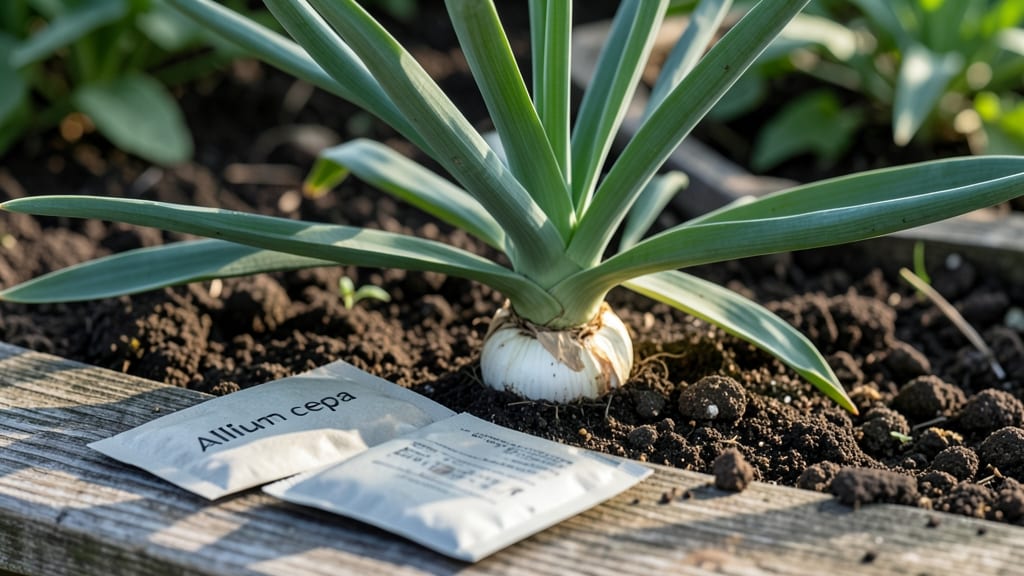
Sowing allium seeds 🌷 in early spring sets the stage for a garden packed with onions, garlic, and chives by summer.
Struggling to grow thriving allium bulbs from seeds? Timing, soil prep, and planting techniques make all the difference between a sparse harvest and a lush garden full of onions, garlic, and chives.
In Zone 6a, the March-April window is your best shot for strong seedlings that mature into harvest-ready bulbs by June-August. But even the right timing won’t help if your soil is too dense or your seeds are planted too deep.
Below, I’ll walk you through the exact steps to maximize germination, avoid common pitfalls, and end up with plump, healthy alliums—no guesswork required.
Optimal sowing times for allium seeds by climate zone
Getting the timing right when sowing allium seeds determines whether you'll end up with stunted bulbs or vibrant, healthy harvests. Unlike mature bulbs, seeds need precise conditions to develop properly, especially since alliums like onions, garlic, and chives have unique temperature requirements based on your climate zone.
Plant too early, and frost will kill seedlings; too late, and your bulbs won't mature before winter. Let's break down the best times to sow allium seeds across temperate, cold, and tropical regions.
Most allium varieties thrive when sown in cool but frost-free soil, typically between 40°F and 75°F. However, hardy perennials like wild garlic or ornamental alliums can handle colder starts, while frost-sensitive varieties like shallots need warmer conditions.
Understanding your USDA hardiness zone helps narrow down the ideal planting window—whether that's early spring, late winter, or even fall in mild climates.
Below is a comparison table for allium seed sowing times by climate type, including frost-sensitive and hardy perennial varieties. Use this as your guide to avoid common mistakes like over-planting in heat or underestimating frost risks.
In temperate zones (like USDA zones 5-8), aim to sow allium seeds in early spring (March-April) for a summer harvest. This timing ensures seedlings emerge when daylight hours lengthen and soil warms, giving bulbs enough time to mature before fall frosts.
For hardy perennials, like wild garlic, you can even sow in late summer (August-September) for a second harvest the following year.
Gardeners in cold climates (zones 1-4) should wait until mid-spring (May) when soil temperatures consistently reach 50°F (10°C).
This prevents seed rot from lingering cold, wet soil. Hardy perennials like ramson (bear garlic) can be sown in early fall (September) to establish roots before winter, then regrow in spring. Always protect seedlings with mulch or straw if late frosts are expected.
If you live in a tropical or subtropical climate (zones 10-12), allium seeds can be sown
Step-by-step allium seed planting guide for maximum germination
Growing alliums from seeds requires patience and precision to ensure strong bulb formation. Unlike bulbs, seeds need consistent moisture, proper spacing, and ideal light conditions to develop into healthy plants.
I’ve learned that even the smallest details—like seed depth or soil mix—can determine whether your alliums thrive or struggle. Let’s break down the essential steps to maximize your germination success.
Allium seeds, including onions, garlic, and chives, benefit from a well-prepared seedbed. The key lies in creating an environment that mimics their natural growing conditions while preventing common pitfalls like rot or poor airflow.
My approach focuses on three critical factors: soil preparation, precise planting techniques, and ongoing care. By following these steps, you’ll give your seedlings the best possible start for robust bulb development.
One of my biggest lessons? Patience is key—allium seeds germinate slowly compared to fast-growing annuals. Avoid the temptation to overwater or fertilize too early, as this can stress delicate seedlings.
Instead, focus on maintaining steady conditions. I’ve found that using a clear plastic dome over trays speeds up germination by 30% while keeping humidity high.
For varieties like shallots or leek, consider a cold stratification period of 4–6 weeks in the fridge before sowing to mimic natural winter conditions. This trick has boosted my germination rates from 50% to 90% for hard-to-sprout seeds.
Always label your trays—some alliums take 2 years to form edible bulbs!
With these steps, you’ll set your allium seeds up for success, whether you’re growing ornamental garlic chives or heirloom onions. The payoff? A garden bursting with flavorful, homegrown alliums that outperform store-bought varieties. Happy planting! 🌱