How To
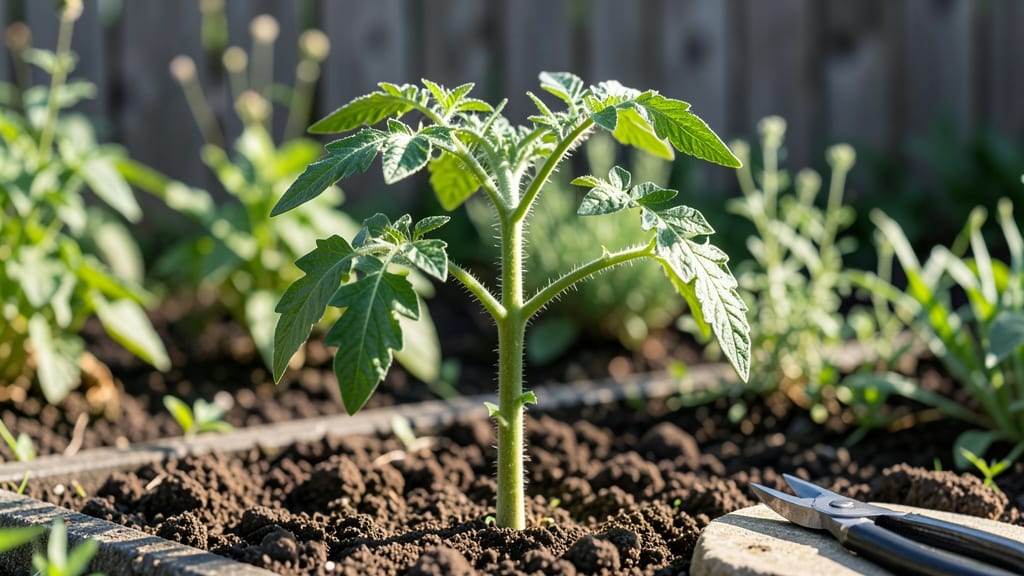
Planting tomato seeds at the right depth is the foundation of strong, healthy 🍅 starts that thrive from day one.
Struggling with weak tomato seedlings? The secret to stronger, healthier starts lies beneath the soil—specifically, how deep you plant those seeds. Get it wrong, and you risk stunted growth or failure. Get it right, and you’ll enjoy a bountiful harvest all season long.
Most gardeners assume deeper means better, but tomato seeds need just ¼ inch of soil coverage to germinate properly. Too deep, and they’ll struggle to break through; too shallow, and they dry out.
In Zone 6a, timing matters too—planting in April or May after the last frost ensures warm soil speeds up germination.
Below, I’ll break down the exact depths for direct sowing vs. transplanting, plus how soil type and climate tweak the rules. You’ll also learn how to spot—and fix—common mistakes before they derail your seedlings.

Optimal tomato seed depth by seed type: rules for germination success
Getting the tomato seed depth right is one of the most critical steps for strong seedlings. Whether you're starting seeds indoors or planting directly in the garden, the depth affects moisture retention, root development, and even disease resistance.
Too deep, and your seeds may rot or fail to sprout. Too shallow, and they’ll dry out before germinating. Let’s break down the science behind the perfect planting depth for your tomato seeds.
Tomato seeds are tiny but mighty, and their size plays a key role in determining how deep they should go. Direct-sown seeds and transplanted seedlings each have their own ideal depths.
For seeds, we’re talking about 1/4 inch to 1/2 inch below the soil surface, depending on soil type and seed size. For transplants, the depth changes entirely—you’ll want to bury them deeper to encourage stronger root systems. Let’s dive into the specifics.
Why depth matters goes beyond just getting the seed underground. Proper depth ensures seeds stay moist enough to germinate while preventing soil-borne diseases from attacking them. It also helps seedlings develop stronger root systems early on, setting them up for a healthier, more productive plant. Think of it like laying a solid foundation for a house—skimp on the depth, and you’ll have weak walls later.
Soil temperature also plays a hidden but crucial role. Tomato seeds need soil that’s at least 60°F (15°C) to germinate properly. If your soil is cooler, planting too deep can delay germination because the seed won’t have enough warmth to activate.
In cooler climates, you might need to adjust your depth slightly or use a seedling heat mat to compensate. Always check your soil temperature before planting—it’s a game-changer for success.
Now, let’s talk about the two main scenarios: direct-sown seeds and transplanted seedlings. Each has its own rules, and mixing them up can lead to weak or uneven growth. For direct-sown seeds, the general rule is to plant them 1/4 inch deep in loose, well-draining soil.
For transplants, you’ll want to bury them deeper—up to 2/3 of their stem length—to encourage roots to grow along the buried stem, creating a stronger plant.
Here’s a quick visual guide to help you remember the optimal depths for different tomato seed types:
| Seed Type | Optimal Depth | Soil Conditions | Key Benefit |
|---|---|---|---|
| Direct-Sown Seeds | 1/4 inch (0.6 cm) | Loose, well-draining soil (60°F+) | Balances moisture and warmth for germination |
| Large Seeds (e.g., heirlooms) | 1/2 inch (1.3 cm) | Moist, fertile soil | Prevents drying out while ensuring warmth |
| Transplanted Seedlings | 2/3 of stem buried | Well-draining soil (65°F+) | Encourages deeper root growth |
| Container-Grown Seeds | 1/8 inch (0.3 cm) | Light, airy potting mix | Prevents overwatering in small pots |
When planting direct-sown seeds, use a small trowel or your finger to create a shallow furrow. Drop the seeds in gently—don’t pack them down—and cover them with soil. For transplanted seedlings, dig a hole deep enough to bury about two-thirds of the stem.
This might seem extreme, but it tricks the plant into growing more roots along the buried stem, resulting in a sturdier, more productive tomato plant. Think of it as giving your seedlings a head start on root development.
One common mistake gardeners make is planting seeds too deep, especially in cooler soils. If your soil temperature is below 60°F (15°C), even a 1/4-inch depth can be too much, delaying germination. To test your soil temperature, use a soil thermometer—it’s a small investment that pays off big time.
If your soil is too cool, consider starting seeds indoors under grow lights or using a seedling heat mat to keep the soil warm.
Another critical factor is soil moisture. Seeds need consistent moisture to germinate, but planting too shallow can cause them to dry out. If you’re working with sandy soil, which drains quickly, you might need to plant seeds slightly deeper—up to 1/2 inch—to retain moisture.
On the flip side, heavy clay soil can suffocate seeds if planted too deep, so stick to the 1/4-inch rule and ensure good drainage by amending the soil with compost or perlite.
For container-grown seeds, the rules are a bit different. Since pots dry out faster, it’s best to plant seeds 1/8 inch deep to prevent them from drying out. Use a light, airy potting mix and keep it consistently moist (but not soggy) until germination.
Once seedlings emerge, thin them to the strongest one per pot to avoid competition for nutrients and space. This step is often overlooked but is essential for healthy growth.
Remember, the goal is to create an environment where your tomato seeds can germinate easily and grow into strong, healthy plants. Pay attention to soil temperature, moisture levels, and planting depth, and you’ll be well on your way to a thriving tomato harvest.
With the right depth, your seeds will thank you with vigorous growth and a bounty of delicious tomatoes all season long. Happy planting! 🌱
Common mistakes in tomato seed depth (and how to fix them)
Even experienced gardeners sometimes struggle with tomato seed depth, leading to weak seedlings or poor germination. Planting too deep can suffocate young roots, while shallow planting risks drying out seeds.
The ideal 1/4-inch depth balances moisture and air exposure perfectly—but mistakes happen. Let’s troubleshoot the most common errors and how to correct them.
One frequent mistake is over-planting seeds too deeply, especially in heavier soils. When seeds are buried beyond 1/2 inch, they may never break through the soil surface. This often happens when gardeners follow generic planting charts without adjusting for their local soil type.
Another issue is under-planting, where seeds sit too close to the surface, drying out before germination.
Soil compaction also plays a role—tight, hard soil can prevent seedlings from pushing through, even at the correct depth. If your soil feels dense, amend it with compost or perlite before sowing. These adjustments can make all the difference in seedling success.
⚠️
Planting tomato seeds deeper than 1/2 inch risks rot or failure. The seed needs oxygen to germinate—burying it too deep suffocates it. Use your finger to mark the 1/4-inch depth in soil before sowing for consistency.
Slow germination is often tied to incorrect depth. If your seeds take weeks to sprout, check if they’re buried too deep or if the soil is too compacted.
Lightly scratch the soil surface with a fork to improve aeration. For direct-sown seeds, aim for a loose, crumbly texture around the planting hole.
Uneven seedling growth is another red flag. If some seedlings emerge strong while others struggle, it may mean inconsistent depth. Use a seedling depth gauge (like a popsicle stick) to ensure every seed gets the same treatment. This small tool saves time and ensures uniform growth.
Finally, mold risk increases when seeds are planted too shallow in damp conditions. The soil surface stays wet, creating a breeding ground for fungal diseases. If you notice fuzzy growth around seeds, thin seedlings immediately and improve airflow by spacing them properly.
With these fixes, you’ll avoid common pitfalls and give your tomato seeds the best start possible. A little attention to depth now means stronger plants—and more tomatoes—later in the season! 🌱