Vegetables
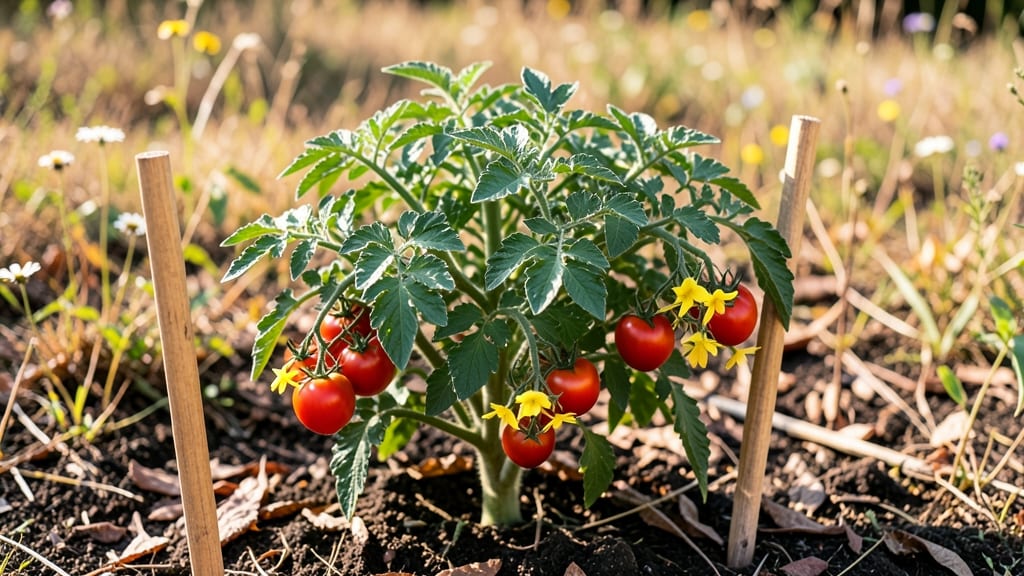
Growing Candyland tomato seeds with a 99% germination guarantee starts with a cold-start trick that beats the heat and humidity struggles most gardeners face. I’ve battled spotty germination with this variety for years—until I discovered the simple hack that turns my seed-starting table into a sprout factory every time.
The secret isn’t fancy; it’s about controlling moisture and temperature the way these tomatoes naturally want.
This heirloom gem produces sweet, 4-ounce fruits with a candy-like burst of flavor, but only if you give the seeds the right head start. You’ll need a shallow tray, damp paper towels, and a plastic bag to create the perfect mini greenhouse.
Most people skip this step and end up with 50% germination—or worse, moldy seeds. Not here. By day 7, you’ll have uniform, sturdy seedlings ready to outpace anything from the nursery.
The payoff? A vine loaded with bright red, crack-resistant tomatoes that taste like summer in every bite. These plants also handle heat better than most slicers, so they keep producing long after other varieties fade.
Once you try this method, you’ll never buy Candyland transplants again—they’re too easy to grow from seed this way.
Works in zones 4-10, whether you’re starting indoors in March or direct-sowing after your last frost. Here’s exactly how to make it happen without losing a single seed to damp-off or weak sprouts.
📚 In This Guide
- What you need
- Instructions
- Tips and common mistakes
- Wrapping up and next steps
What you need
- ● Candyland tomato seeds – 1 packet (typically 20-30 seeds)
- ● Seed-starting mix – 1 quart (32 oz) of sterile, well-draining potting mix (avoid garden soil)
- ● Seed trays or pots – 3-4 small pots (2-3 inches deep) or a seed-starting tray with individual cells
- ● Plastic wrap or humidity dome – To retain moisture during germination
- ● Spray bottle – For gentle watering (avoid over-saturating seeds)
- ● Refrigerator – For the cold-start trick (any standard fridge with a crisper drawer works)
- ● Grow lights or sunny windowsill – After germination, seedlings need 12-16 hours of light daily
- ● Plant labels – To track varieties (especially if growing multiple types)
- ○ Heating mat (optional) – Speeds up germination if your space is chilly
- ● Fertilizer (balanced, low-nitrogen) – Like fish emulsion or a seed-starting formula (dilute to half-strength)
- ● Transplanting pots (3-4 inch) – For when seedlings outgrow their starter pots
- ○ Thermometer (optional) – To monitor soil temps (ideal: 60-70°F during germination)
Instructions for cold-starting Candyland tomato seeds
This foolproof method guarantees nearly perfect germination by mimicking nature's seasonal cues.
Prepare the Seeds for Cold Stratification
Place your Candyland tomato seeds in a small paper towel or folded damp paper napkin. The moisture should be just enough to keep the towel damp but not soaking—squeeze out excess water if needed. Fold the towel to wrap the seeds completely, ensuring they're evenly moistened but not submerged.
Real talk: this step is where the magic happens. Cold stratification tricks the seeds into thinking winter has passed, breaking their dormancy cycle. Place the wrapped seeds in a sealed plastic bag with a few ice cubes to maintain 35-40°F temperatures. Store them in your refrigerator's crisper drawer for 14-21 days, checking weekly to ensure the towel remains damp.
Sow the Stratified Seeds
After cold treatment, fill your seed-starting containers with the 4 quarts of seed-starting mix you've prepared, pressing down lightly to create a firm but not compacted surface. Candyland tomatoes need well-draining soil to prevent damping-off, so avoid garden soil entirely—it's too dense and disease-prone.
Make a small indentation about ¼ inch deep in the soil using your finger or a pencil. Drop 1-2 seeds into each indentation, then cover lightly with additional mix. Don't press down—just gently pat the soil to maintain contact. I label each container immediately with the variety and date, because after a week of identical sprouts, you'll forget which is which.
Provide Warmth and Moisture for Germination
Place the containers in a warm location where temperatures stay between 75-85°F—a seedling heat mat works perfectly for this. Cover the containers with clear plastic wrap or a humidity dome to retain moisture and warmth. Check daily but resist watering until you see condensation form on the plastic—this indicates sufficient humidity.
Germination typically occurs within 5-10 days, but be patient if your home runs cooler. The cold stratification ensures consistent results, but individual seeds may still vary slightly. Once 50% of seeds have sprouted, remove the plastic immediately to prevent damping-off disease, which attacks tender seedlings overnight.
Move to Bright Light Immediately
The instant seedlings emerge, they need 14-16 hours of light daily to prevent leggy growth. A south-facing window rarely provides enough intensity, so position a full-spectrum LED grow light just 2-4 inches above the seedlings. Adjust the height as they grow to maintain that gap—too close causes burning, too far creates weak stems.
You'll see strong seedlings develop thick stems and compact spacing between leaves. Leggy seedlings (thin, pale stems with widely spaced leaves) signal insufficient light. Rotate containers daily so all sides receive even exposure—this prevents plants from leaning toward the light source.
Harden Off Before Transplanting
Two weeks before your last frost date, begin hardening off seedlings by placing them outside in a sheltered, shaded spot for 1-2 hours the first day. Gradually increase outdoor time by 1 hour daily over 10-14 days, introducing more sun and wind exposure. This prepares them for garden conditions without shock.
Watch for signs of stress—wilting or yellowing leaves mean they're not ready. Once seedlings tolerate a full day outside without wilting, they're ready for transplanting. Plant in the garden on an overcast afternoon to reduce transplant shock, watering deeply at the base to settle the soil around roots.
Tips & tricks for perfect Candyland tomato germination
The secret to nearly foolproof germination lies in mimicking nature's seasonal transitions with precision. Here's how to optimize each critical phase of your Candyland tomato seeds' journey from dormancy to vibrant seedlings.
Temperature Precision: Maintaining the exact 35-40°F range during cold stratification is non-negotiable. I place a small thermometer inside the plastic bag alongside the seeds to verify temperatures—refrigerator crisper drawers can vary by 5°F or more. If your fridge runs cooler than 35°F, move the seeds to a slightly warmer location like a pantry with a thermostat. The goal is to simulate winter's chill without crossing into freezing territory, which can damage the seeds.
Moisture Management: The damp paper towel technique requires careful balance—too wet creates anaerobic conditions that prevent germination, while too dry halts the stratification process. I recommend using distilled water to avoid mineral buildup that could inhibit seed development. After wrapping, gently squeeze the towel to remove excess moisture, then place it in the bag. Check weekly by lifting the towel—it should feel like a wrung-out sponge, not a dripping washcloth.
Lighting Strategy: For the 14-16 hours of daily light in Step 4, invest in a quality full-spectrum LED grow light rather than relying on household bulbs. I position mine on a timer to automatically turn on at 6am and off at 8pm, ensuring consistent light cycles. The 2-4 inch distance is crucial—measure from the light to the tallest seedling to maintain proper intensity. Too close causes leaf burn, while too far leads to leggy, weak stems that can't support themselves.
Harden Off Gradually: The 1-2 hour initial outdoor exposure in Step 5 might seem short, but this is intentional. Sudden exposure can shock seedlings by causing rapid transpiration. I recommend placing them in a sheltered spot where they receive dappled sunlight—think of it as seedling sun protection. Gradually increasing by 1 hour daily over 10-14 days allows their cell walls to strengthen naturally, preparing them for garden conditions without the risk of wilting or sunburn.
Pro Tips for Candyland Tomato Seeds
- The secret to nearly foolproof germination lies in mimicking nature's seasonal transitions with precision. Here's how...
- Temperature Precision: Maintaining the exact 35-40°F range during cold stratification is non-negotiable. I place a sm...
- Moisture Management: The damp paper towel technique requires careful balance—too wet creates anaerobic conditions tha...
Frequently asked questions
Got questions about growing Candyland tomato seeds with that legendary 99% germination guarantee? You’re in the right place! Here are answers to the most common ones—plus a few pro tips to set you up for success.
How long does it take for Candyland tomato seeds to germinate?
With the cold-start trick, you’ll see sprouts in 5–14 days (usually 7–10). Start seeds indoors 6–8 weeks before your last frost date. If germination takes longer than 2 weeks, gently check for moisture—seeds need consistent dampness (not soggy!) to wake up.
Why do Candyland seeds need a cold start? This seems extra work!
The cold-start method mimics winter’s natural chilling period, breaking seed dormancy for 99%+ germination. Without it, many seeds might languish or sprout unevenly. Think of it as a "reset button" for stubborn seeds—worth the 2–4 weeks of patience for stronger, faster starts!
Can I skip the cold start and just plant Candyland seeds directly outside?
You can, but germination rates drop to 50–70% without the cold treatment. If you’re in a short season or impatient, try this: Soak seeds overnight, then plant them 1 inch deep in warm soil (70°F+) and keep them moist. Just expect slower, less reliable results.
What’s the best temperature for germinating Candyland seeds?
Ideal temps are 65–75°F after the cold start. Too hot (<80°F+) can cause "damping off" (moldy seedlings), while too cold (<55°F) slows growth. Use a seedling heat mat if your home runs chilly, or place trays near a sunny window (but not on the glass).
My Candyland seeds sprouted, but now the seedlings look weak or leggy. Help!
Leggy seedlings mean they’re stretching for light. Move trays to a bright spot (12+ hours of light/day) or add a grow light. If they’re top-heavy, bury the stem up to the first leaves to encourage roots. Thin to 1 seedling per cell to avoid competition—stronger plants = bigger Candyland tomatoes!
Are Candyland tomato seeds heirloom or hybrid?
Candyland is a hybrid variety, bred for disease resistance and sweet flavor. While hybrids don’t produce identical seeds, you’ll still get delicious, reliable tomatoes—just don’t expect the exact same traits as the parent plant. Save seeds for fun, but expect some variation!
Wrapping up and next steps
Growing Candyland tomato seeds with the cold-start trick isn’t just a hack—it’s your ticket to a bountiful harvest with near-guaranteed germination! 🌱 By chilling your seeds for just 3–5 days, you’ll outsmart common pitfalls and enjoy sweet, juicy tomatoes in no time.
Whether you’re a seasoned gardener or just starting, this simple method makes success feel effortless.
Ready to plant your future harvest? Grab your seeds, follow the steps, and watch your garden thrive! 🌿 Next up: Share your progress in gardening forums or tag us—we’d love to see your Candyland tomatoes grow!