Trees
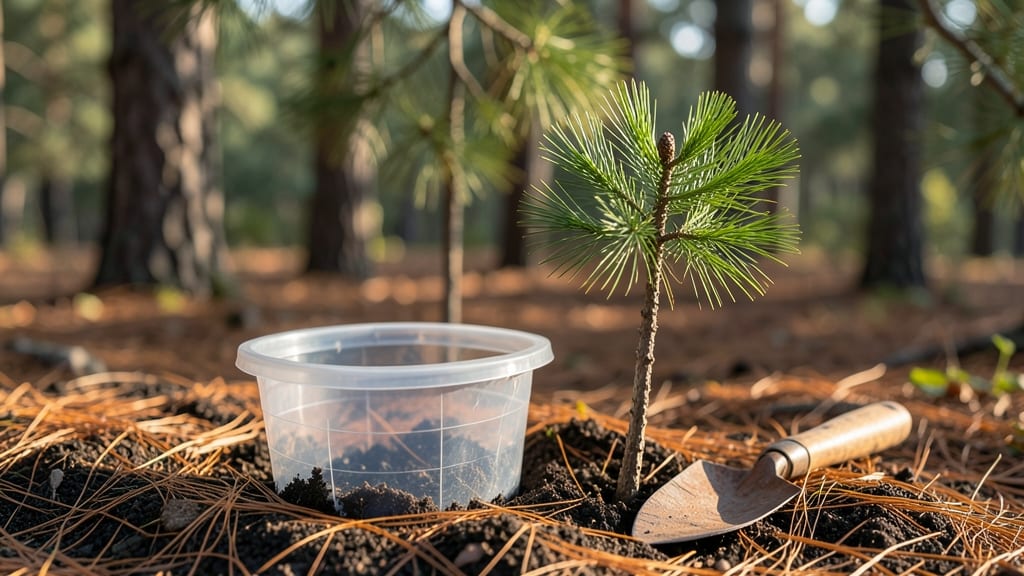
Growing pine cone seedlings starts with fresh pine cones—extract the seeds, cold-stratify them for 60-90 days to break dormancy, then plant in well-draining soil while keeping moisture consistent. Germination can take 3-6 months, but bright indirect light speeds up growth.
Cold stratification mimics winter's natural chill, tricking pine seeds into thinking conditions are right for sprouting. 🌱 Different pine species need slightly varied cold periods—white pines often thrive with 60 days of stratification, while ponderosa pines may need up to 90 days.
The key is moisture: keep seeds damp but not soggy during this phase to prevent rot. Once planted, seedlings need bright indirect light (like an east-facing window) to avoid leggy growth, and patience—some varieties take nearly a year to show their first needles.
For best results, collect cones from healthy trees in late fall when they're still slightly green. After extracting seeds, mix them with damp peat moss in a sealed container and refrigerate.
Transplant outdoors only after seedlings have developed 3-4 inches of root growth, typically in early spring when soil temperatures stabilize above 50°F. Common pitfalls include overwatering (which causes mold) or impatiently moving seedlings too soon.
💡 In This Article
- Pine Seed Germination Science: Cold Stratification Explained
- Step-by-Step Pine Cone Seedling Growing Guide
Pine seed germination science: cold stratification explained
Cold stratification mimics nature's winter cycle to break pine seed dormancy. These seeds enter a resting state to survive harsh conditions, and cold temperatures trigger hormonal changes that signal it's safe to grow. The process involves abscisic acid (which suppresses growth) converting to gibberellins (growth-promoting hormones) during cold exposure.
For white pine seeds, this typically requires 60-70 days at 34-40°F, while ponderosa pine seeds often need 80-90 days—the extra time allows deeper biochemical shifts in thicker seed coats. Think of it like a biological countdown timer that only resets after winter's chill. 🌬️
The moisture balance during stratification is critical—too dry, and seeds won't activate; too wet, and they'll rot. Ideal moisture mimics early spring soil conditions: keep the seed mix damp enough to hold together when squeezed (like a wrung-out sponge) but not dripping.
For example, a 50/50 mix of peat moss and perlite maintains perfect moisture while preventing anaerobic conditions that breed mold. The science here involves osmotic pressure regulation—seeds absorb just enough water to hydrate their cells without swelling too rapidly, which could rupture delicate embryonic tissues.
This delicate balance explains why some growers lose entire batches to either mold or failed germination.
Different pine species have evolved unique stratification needs based on their native climates. Eastern white pine seeds, adapted to northern forests, often germinate with shorter 60-day cold periods, while ponderosa pines from drier western regions may require 90 days to overcome their thicker seed coats.
The key difference lies in their seed coat permeability: thinner coats in white pines allow faster water absorption during stratification, while ponderosa seeds need prolonged cold to soften their tougher outer layers.
This explains why some growers report 80% success rates with white pine seeds but only 40% with ponderosa—the latter often need extended cold exposure or even scarification (lightly nicking the seed coat) to improve results. 🌲
What most people don't realize is that stratification isn't just about temperature—it's a multi-sensory environmental cue. Seeds detect not only cold but also light intensity changes (short winter days) and moisture fluctuations (spring thaws).
When you combine cold stratification with bright indirect light (like a north-facing window), you're essentially fooling the seed into thinking it's experiencing an entire winter-spring transition. This is why some growers achieve 60% germination rates with proper stratification and light exposure, compared to 20% with cold alone.
The light triggers phytochrome activation, which works in tandem with the cold-induced hormonal changes.
Here's what's actually happening at the cellular level: Cold temperatures cause lipid membranes in seed cells to become more fluid, allowing water and nutrients to move more freely. This fluidity is crucial for reactivating metabolic processes that were dormant.
Without this membrane flexibility, seeds would remain in stasis despite proper moisture and temperature. The process also involves DNA repair mechanisms—some seeds accumulate minor genetic damage during dormancy, and cold stratification gives cells time to repair these before growth begins.
This explains why older seeds often require longer stratification periods—they've accumulated more cellular damage over time. 🧬
For practical application, think of stratification like preheating an oven—you wouldn't bake a cake at 350°F without letting the oven reach temperature first. Similarly, seeds need this gradual cold exposure to prepare their internal systems.
A common mistake is using freezer temperatures (below 32°F), which can damage seeds by creating ice crystals that rupture cells. The ideal range is 34-40°F, which mimics natural winter conditions without being extreme.
This subtle temperature difference can mean the difference between 70% and 10% germination rates—making it one of the most critical factors in successful pine seedling growth.