Pests
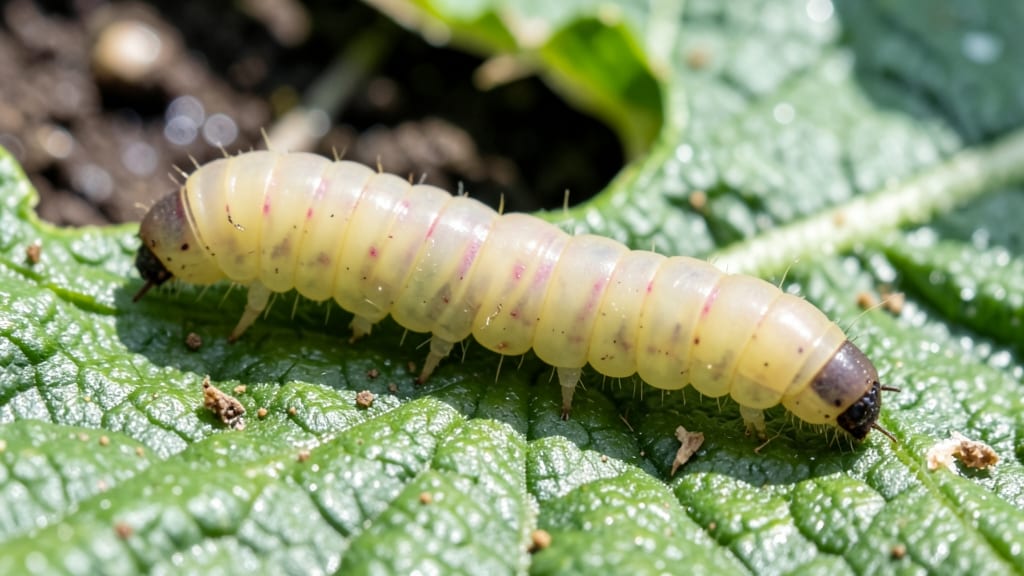
Finding tiny, squirming larvae inside your watermelon seeds is one of the most frustrating garden moments—especially when you’ve grown them from seed yourself. 🌱 I’ve dealt with watermelon seed worms in every season, and the good news is you can remove them without losing your harvest.
The key lies in understanding their life cycle and acting at the right time.
These pests—often the larvae of Diaphania moths—start as eggs laid on the undersides of leaves, then burrow into developing fruits. By the time you slice open a melon and see those chewed seeds, it’s already too late for that fruit, but you can still save the rest of your crop.
The solution isn’t complicated: handpick the worms, use row covers early in the season, and rotate crops to break their cycle.
You’ll end up with clean, worm-free seeds for next year’s planting, and your melons will stay sweet and intact. The process takes just a few minutes of inspection during harvest, and the payoff is worth it—no more ruined seeds or wasted effort.
Here’s exactly how to spot them and remove them safely.
This method works for both home gardeners and small-scale growers, and it’s especially effective if you catch the issue early. Whether you’re dealing with a single melon or a whole patch, these steps will help you keep your harvest intact without resorting to harsh chemicals.
Root Causes Of Seed Worm Infestations
Watermelon seed worms—those tiny, sneaky pests—don’t just appear out of nowhere. Their presence in your garden or farm is usually tied to a mix of environmental, agricultural, and biological factors.
Understanding these root causes is the first step to preventing and managing them effectively. Let’s break down why these pests target your watermelons and how they thrive.
Watermelon seed worms, particularly those from the genus Diabrotica (like the western corn rootworm), thrive in fields where the same crops—especially cucurbits (watermelons, cucumbers, squash, and pumpkins)—are grown year after year. Here’s why:
- Larval Survival: Female beetles lay eggs in the soil, and their larvae burrow into roots, feeding on them for months. If you replant watermelons in the same spot, the soil remains rich with organic matter from previous crops, making it an ideal breeding ground.
- Host Plant Attraction: Watermelons release chemical cues that signal to adult beetles, "Hey, this is a great place to lay eggs!" Repeated planting without rotation keeps these signals strong.
- Soilborne Pathogens: Over time, poor rotation can also weaken the plant’s natural defenses, making it easier for larvae to penetrate roots and seeds.
Actionable Fix: Rotate crops with non-host plants like beans, corn, or grasses. If possible, wait 3–4 years before replanting watermelons in the same soil.
Seed worms love warmth and moisture—two conditions that are often perfect in watermelon-growing regions. Here’s how climate plays a role:
- Egg Hatching: Adult beetles lay eggs in the soil in late spring or early summer. These eggs require consistent warmth (above 60°F/15°C) to hatch. In regions with hot summers, this creates a prime window for infestation.
- Larval Development: Once hatched, larvae thrive in moist soil, which provides easy access to watermelon roots and seeds. Drought-stressed plants are also more vulnerable because their roots are weaker.
- Adult Beetle Activity: Warm nights (above 75°F/24°C) encourage adult beetles to emerge and feed on foliage, further stressing the plant and making it more susceptible to egg-laying.
Actionable Fix:
- Monitor soil temperature and avoid planting watermelons until the soil is consistently warm (use a soil thermometer if needed).
- Improve drainage to prevent waterlogged conditions, which can attract pests and fungi.
- Use mulch to regulate soil temperature and retain moisture without creating a pest paradise.
While healthy plants are more resilient, over-fertilization—especially with nitrogen-rich fertilizers—can backfire by attracting seed worms. Here’s how:
- Lush Foliage = More Egg-Laying Sites: Excess nitrogen promotes rapid, soft growth, which adult beetles prefer for feeding and egg deposition. The more leaves and vines, the more places for pests to hide and reproduce.
- Weakened Roots: Too much fertilizer can lead to salt buildup in the soil, stressing roots and making them easier targets for larval feeding.
- Attracting Secondary Pests: Over-fertilized plants often attract other pests (like aphids), which can indirectly invite seed worm predators—or the worms themselves.
Actionable Fix:
- Use a balanced fertilizer (e.g., 10-10-10 or organic compost) and follow soil test recommendations.
- Avoid late-season nitrogen applications, as this can stimulate new growth that beetles will target.
- Focus on organic matter (like compost or well-rotted manure) to improve soil health without overfeeding.
Seed worms don’t always win because they’re the strongest—they often thrive when their natural enemies are missing. Here’s how ecosystems can tip in their favor:
- Pesticide Overuse: Broad-spectrum insecticides can kill beneficial insects like lady beetles, ground beetles, and parasitic wasps, which prey on seed worm eggs and larvae.
- Monoculture Farming: Large, single-crop fields provide fewer habitats for predator diversity, reducing biological control.
- Urban or Isolated Gardens: Small gardens may lack the biodiversity to support enough predators to keep seed worm populations in check.
Actionable Fix:
- Introduce beneficial nematodes (like Steinernema carpocapsae) or predatory insects (e.g., Hippodamia convergens lady beetles).
- Plant companion flowers (like marigolds or dill) to attract predator insects.
- Avoid neonicotinoid-treated seeds, which can harm beneficial insects.
Some watermelon varieties are naturally more resistant to seed worms, but even resistant plants can fall prey if planted at the wrong time. Here’s how timing and genetics play a role:
- Early Planting = Early Vulnerability: If watermelons sprout too early in the season, the soil may still be cool, delaying larval activity—but once it warms up, the plants are already established and at risk.
- Late Planting = Peak Pest Activity: Planting too late means the soil is already warm, giving adult beetles a head start in laying eggs before your plants have a chance to develop defenses.
- Genetic Susceptibility: Some watermelon varieties (especially heirlooms or thin-skinned types) are more attractive to beetles due to their scent or leaf structure.
Actionable Fix:
- Choose seed worm-resistant varieties (e.g., 'Sugar Baby,' 'Crimson Sweet,' or hybrid types labeled for pest resistance).
- Use row covers for the first 4–6 weeks to protect young plants from adult beetles.
- Plant in late spring (after the last frost but before peak beetle activity) for a balance of warmth and plant vigor.
Quick Fixes for Watermelon Seed Worms
If you’ve spotted tiny, squiggly pests in your watermelon seeds or noticed damaged fruit, don’t panic—there are effective, natural ways to tackle watermelon seed worms (also called Diabrotica beetle larvae) without sacrificing your harvest.
Below, we break down cause-specific solutions, from immediate fixes to long-term prevention, so you can protect your plants and your yield.
Cause: Visible damage (chewed seeds, holes, or larvae inside fruit). Fix:
- 👨🍳 Harvest early if you spot signs of infestation—pick fruit before larvae mature.
- 🗑️ Dispose of damaged fruit in sealed bags (not compost) to prevent larvae from spreading.
- 🔍 Check seeds before planting next season: soak seeds in warm water for 5 minutes—larvae will float to the surface.
Pro Tip: 💡 Use a fine mesh strainer to inspect seeds for eggs or tiny larvae before planting.
Cause: Overcrowded soil or leftover plant debris harboring eggs/larvae. Fix:
- 🌿 Rotate planting locations—avoid growing watermelons, cucumbers, or squash in the same spot for 3+ years.
- 🧹 Clear garden beds after harvest: remove vines, leaves, and weeds where eggs may hide.
- 🔥 Till soil in fall (if possible) to expose eggs to predators like birds or beneficial insects.
Pro Tip: 🌡️ Mulch with straw in summer to deter beetles from laying eggs near plants.
Cause: Lack of natural pest control in your garden ecosystem. Fix:
- 🐞 Introduce beneficial insects:
- Ladybugs and ground beetles eat larvae—buy them online or attract them with dill or marigold plants.
- 🐦 Encourage birds by installing a shallow water dish nearby.
- 🧶 Cover young plants with floating row covers (lightweight fabric) to block adult beetles.
- 🍅 Interplant with trap crops like radishes or mustard greens—beetles prefer these over watermelons.
Pro Tip: ✨ Plant basil near watermelons—its scent repels cucumber beetles (the adult form of seed worms).
Cause: Overwatered or nutrient-poor soil attracts pests. Fix:
- 💦 Water deeply but less often—wet soil invites beetles. Aim for 1–1.5 inches per week (including rain).
- 🌱 Boost soil health with compost or worm castings—healthy plants resist pests better.
- 🍄 Add neem cake (organic fertilizer) to soil—it deters beetles and improves plant resilience.
Pro Tip: 🎯 Test your soil pH—watermelons thrive in 6.0–6.8 pH; adjust with lime (to raise) or sulfur (to lower) if needed.
Cause: Active larvae or beetles on leaves/fruit. Fix:
- 🍋 Spray neem oil:
- Mix 1 tbsp neem oil + 1 tsp mild soap + 1 quart water. Spray every 5–7 days (avoid direct sun to prevent leaf burn).
- 🌿 Garlic-chili spray:
- Blend 4 garlic cloves + 1 tbsp cayenne pepper + 1 quart water. Strain and spray on leaves (reapply after rain).
- 🥛 Kaolin clay barrier:
- Mix 1 tbsp kaolin clay + 1 quart water, then spray on fruit/leaves to create a protective film beetles avoid.
Pro Tip: ⏰ Apply sprays in the early morning or evening to avoid harming bees.
To keep seed worms away for good: ✅ Solarize soil in late summer: Cover beds with clear plastic for 4–6 weeks to kill eggs. ✅ Plant resistant varieties like ‘Sugar Baby’ or ‘Crimson Sweet’ (less attractive to beetles). ✅ Monitor adult beetles (small yellow/orange striped beetles)—handpick and drop them in soapy water. ✅ Store seeds properly: Keep them in a cool, dry place (eggs won’t survive extreme conditions).
Final Note: Consistency is key—combine 2–3 methods (e.g., crop rotation + neem spray + beneficial insects) for the best results. With these steps, you’ll enjoy healthy, worm-free watermelons without harsh chemicals! 🍉✨
Frequently asked questions
What exactly are watermelon seed worms, and how do I identify them?
Watermelon seed worms are the larvae of cucumber beetles or Diaphania moths. They appear as tiny, white, squiggly grubs (about 1/4-inch) inside watermelon seeds. Look for chewed seeds, small holes in fruit, or larvae crawling out when you cut open a melon. Adult beetles are small (about 1/4-inch) with yellow and black stripes.
Can I still use seeds from a watermelon infested with seed worms?
Yes, but you must clean them first. Soak seeds in warm water for 5 minutes—larvae will float to the surface. Rinse and dry thoroughly in sunlight. For extra safety, freeze seeds for 48 hours to kill any remaining eggs or larvae. This ensures your next crop stays pest-free.
Are there chemical-free ways to prevent seed worms in my garden?
Start with crop rotation—avoid planting watermelons in the same spot for 3+ years. Use row covers early in the season to block adult beetles, and plant basil or marigolds nearby to repel pests. Neem oil sprays (applied every 5-7 days) also deter beetles without harming your plants.
How do I know if my watermelon plants are already infested before harvest?
Check for small holes in leaves or chewed stems—signs of adult beetle feeding. Inspect the undersides of leaves for tiny eggs (white or yellow). If you find larvae in the soil or on roots, your plants are already compromised. Act fast with beneficial nematodes or kaolin clay sprays to protect developing fruit.
Will companion planting really keep seed worms away?
Yes! Planting nasturtiums, radishes, or dill near watermelons acts as a trap crop, luring beetles away. Basil’s strong scent also repels them naturally. For best results, combine companion planting with early row covers and regular soil checks to catch infestations before they spread.