
Lawn
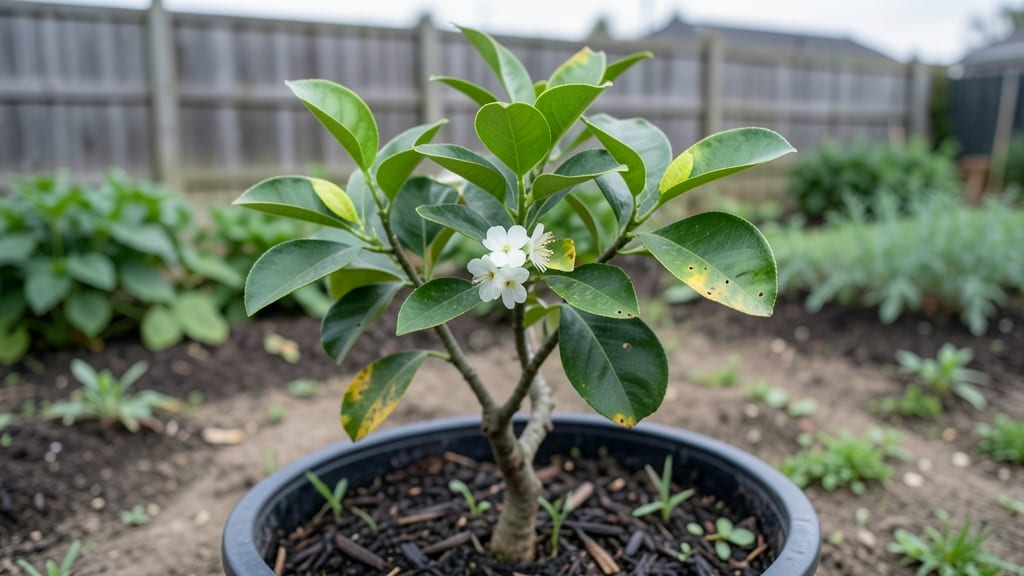
Watch your lemon seed growth unfold like a slow-blooming fairy tale—prickly at first, then lush with promise. ✨ The first step is saving that seed from your grocery store lemon, not the ones from a tree (they're usually hybrid and won't fruit true).
I've grown three from seed, and while none have fruited yet, the glossy leaves and fragrant blossoms make every stage worthwhile.
You'll need just three things to start: a fresh lemon seed, a small pot with drainage holes, and a sunny windowsill or grow light. The soil should be a mix of potting soil and perlite to keep roots from sitting in soggy conditions—citrus hates wet feet.
Germination can take anywhere from two weeks to two months, so don't give up if nothing happens quickly.
Once that first sprout breaks through, you'll watch it transform from a fragile seedling into a sturdy sapling with surprising speed. Within a year, your tree could reach two feet tall, though fruiting may take five to ten years.
The real payoff isn't just the potential lemons—it's the tropical vibe it brings to any room, even in winter.
Here's the thing—seed-grown lemons rarely produce true fruit, but that doesn't mean you'll end up with nothing. Many growers keep their trees as houseplants or patio specimens, pruning them to stay small and enjoying the lush foliage.
The process itself teaches you more about plant care than any book ever could.
📚 In This Guide
- What you need
- Instructions
- Tips and common mistakes
- Wrapping up and next steps
What you need
- ● Fresh lemon seeds – 3–5 seeds (harvested from a ripe, organic lemon for best results).
- ● Well-draining potting soil – A mix of peat moss, perlite, and coconut coir (or a high-quality seed-starting blend).
- ● Small pots or seed trays – 3–4 inch diameter pots (one per seed) with drainage holes.
- ● Plastic wrap or a humidity dome – To retain moisture while seeds germinate.
- ● Spray bottle – For gentle watering without disturbing seeds.
- ● Grow lights or a sunny windowsill – A south-facing window or LED grow lights (12–16 hours/day).
- ○ Fertilizer (optional but helpful) – A balanced liquid fertilizer (10-10-10) diluted to half-strength for young seedlings.
- ● Small hand trowel – For transplanting seedlings.
- ● Measuring cup – To ensure proper soil moisture.
- ● Label markers – To track seedling progress.
- ● Pruning shears – For shaping the tree as it grows.
- ○ Thermometer (optional) – To monitor soil temperature (ideal: 70–85°F for germination).
- ● Patience – Germination can take 2–4 weeks, and citrus trees grow slowly at first!
- ● Warm environment – Lemon seeds thrive in warmth (70°F+); avoid drafts.
- ● Consistent care – Regular watering (but not soggy soil) and light exposure are key.
Step-by-step instructions for growing a lemon tree from seeds
Turn those kitchen scraps into a citrus treasure—here's how to coax a lemon tree from a seed.
🌱 Step 1: Extract and Prepare the Seeds
Start with fresh lemon seeds—older seeds germinate poorly. Scoop them out of the fruit with a spoon, then rinse off any pulp. Let them dry on a paper towel for 24 hours at room temperature. This prevents rot when you plant them later.
I like to roll the seeds gently between my fingers to remove any remaining fruit residue. Store them in a small envelope until ready to plant. The key here is patience—don't rush the drying process. You'll know they're ready when the outer coating looks slightly wrinkled but not shriveled.
💧 Step 2: Plant Seeds in Moist Potting Mix
Fill a small pot—4-6 inches deep—with the potting mix. Moisten it until it feels like a damp sponge, but not soggy. Plant the seeds ½ inch deep, spacing them 1 inch apart. I use a toothpick to make small holes for each seed—it's precise and avoids disturbing the soil too much.
Cover the seeds lightly with additional potting mix, then water gently until the surface looks evenly moist. Place the pot in a warm spot, ideally between 70-80°F. A seedling heat mat works wonders if your home runs cooler. Keep the soil consistently moist but never waterlogged—this is where most seedling failures happen.
☀️ Step 3: Provide Warmth and Light for Germination
Germination takes 2-4 weeks, so be patient. Cover the pot loosely with plastic wrap to retain humidity, but remove it daily for 10 minutes to prevent mold. You'll see tiny sprouts first—these are the radicles (rootlets) breaking through the soil.
Once the first true leaves appear (not the initial seed leaves), remove the plastic wrap completely. Move the seedlings to a bright spot with 6-8 hours of indirect light daily. Direct sun at this stage can scorch delicate young leaves. If you notice leaves turning pale or stretching too much, your light isn't strong enough—supplement with a grow light.
🪴 Step 4: Transplant and Train the Young Tree
When seedlings are 4-6 inches tall with 4-5 true leaves, transplant the strongest one into a 6-inch pot with fresh potting mix. Handle the roots gently—lemon trees hate root disturbance. Water thoroughly after transplanting to help the soil settle around the roots.
Pinch off any flowers that appear in the first year. The tree needs to focus on growing strong stems and leaves, not fruiting. Rotate the pot a quarter turn weekly so the tree grows straight. You'll see thicker stems and bushier growth within a few months—this is your reward for patience.
✂️ Step 5: Maintain and Prune for a Healthy Tree
Keep the tree in a pot with drainage holes—lemon trees despise soggy roots. Water when the top inch of soil feels dry, and fertilize lightly every 2 months with diluted citrus fertilizer. Prune leggy growth in early spring to encourage branching. I use clean, sharp scissors to make cuts just above a leaf node.
Here's the thing—lemon trees grown from seeds may not produce true-to-type fruit. But that's part of the adventure! Even if the fruit isn't perfect, the process is rewarding. With proper care, your tree could live for decades and fill your home with citrusy fragrance.
Tips & tricks for growing a lemon tree from seeds
Here's what I learned after watching several lemon seedling projects go wrong—and how to ensure yours thrives.
Seed Preparation: The 24-hour drying period is non-negotiable for preventing rot, but I've found that spreading seeds on a single layer of paper towel works best. Fold the edges to create a little envelope, then place it in a warm spot (around 70°F) to speed up the process. You'll know they're ready when the outer coating looks slightly wrinkled but not brittle—this ensures they're dry enough to plant without being over-dried.
Germination Environment: While the instructions mention 70-80°F, I've seen success even in slightly cooler conditions (around 65°F) by using a seedling heat mat. The key is consistency—fluctuating temperatures can confuse the seeds. Also, place your pot on a tray of pebbles with water underneath to create humidity without overwatering the soil. This mimics the tropical conditions lemon trees love.
Light Management: Those 6-8 hours of indirect light are crucial, but don't be fooled by bright windows—direct sunlight can scorch young seedlings. I recommend placing your pot near an east-facing window where it gets morning sun but is shielded from intense afternoon rays. If your home lacks good natural light, supplement with a grow light for 12-14 hours daily. You'll notice the seedlings grow sturdier and develop deeper green leaves when they get proper light.
Transplanting Strategy: When you're ready to transplant your 4-6 inch seedlings, I've found that watering the original pot thoroughly the day before makes the roots more pliable and reduces transplant shock. Gently squeeze the pot to loosen the root ball before transferring it to the new container. This technique helps minimize root disturbance, which lemon trees particularly dislike.
Pro Tips for Lemon Seed Growth
- Here's what I learned after watching several lemon seedling projects go wrong—and how to ensure yours thrives.
- Seed Preparation: The 24-hour drying period is non-negotiable for preventing rot, but I've found that spreading seeds on a single layer of paper towel works best.
- Germination Environment: While the instructions mention 70-80°F, I've seen success even in slightly cooler conditions (around 65°F) by using a seedling heat mat.
Frequently asked questions
Got questions about growing a lemon tree from seeds? You’re not alone! Here are some of the most common queries—and their answers—to help you navigate your citrus-growing journey with confidence.
How long does it take for a lemon seed to sprout?
Most lemon seeds sprout within 3 to 7 days under the right conditions (warmth, moisture, and indirect light). If nothing happens after 2 weeks, gently check for mold or rot—your seed might need a fresh start in a new pot with sterile soil. Patience is key!
When will my lemon seedling produce fruit?
Don’t expect lemons for years—typically 5 to 10 years for seed-grown trees. Grafted lemon trees (bought from nurseries) fruit faster (3–5 years), but seed-grown varieties are slower because they’re not genetically identical to parent trees. Pro tip: Prune early to encourage a sturdy structure!
Can I grow a lemon tree indoors year-round?
Lemon trees thrive indoors with bright, indirect light (a south-facing window or grow lights) and 60–70°F temperatures. Use a well-draining pot, water when the top inch of soil is dry, and fertilize lightly in spring/summer. Just avoid drafts—lemons hate cold windowsills!
Why did my lemon seedling turn yellow and drop leaves?
Yellow leaves often signal overwatering, underwatering, or nutrient deficiencies. Check the soil moisture—it should be damp but not soggy. Move the plant to better light if leaves are pale, or flush the soil with water if roots smell sour (a sign of rot). Bonus: A balanced citrus fertilizer can revive a struggling tree!
What’s the best soil mix for lemon seed growth?
Use a light, airy mix like:
- 60% peat-free potting soil
- 30% perlite or coarse sand (for drainage)
- 10% compost or worm castings (for nutrients)
Lemon seeds despise compacted soil—add a layer of gravel to pots to prevent waterlogging. Pro tip: Sterilize soil with baking soda (1 tbsp per gallon of water) to kill fungi!
Wrapping up and next steps
Growing a lemon tree from seed is a rewarding journey that connects you to nature’s bounty—literally!
With patience, the right conditions, and a little care, you can nurture a tiny seed into a thriving citrus tree that may even bear fruit someday. Your next step? Start with just one seed, follow the steps, and watch your green thumb grow—both your tree and your confidence! 🌱✨
Pro tip: Document your progress with photos—it’s the perfect way to track growth and celebrate small victories along the way!