
Size
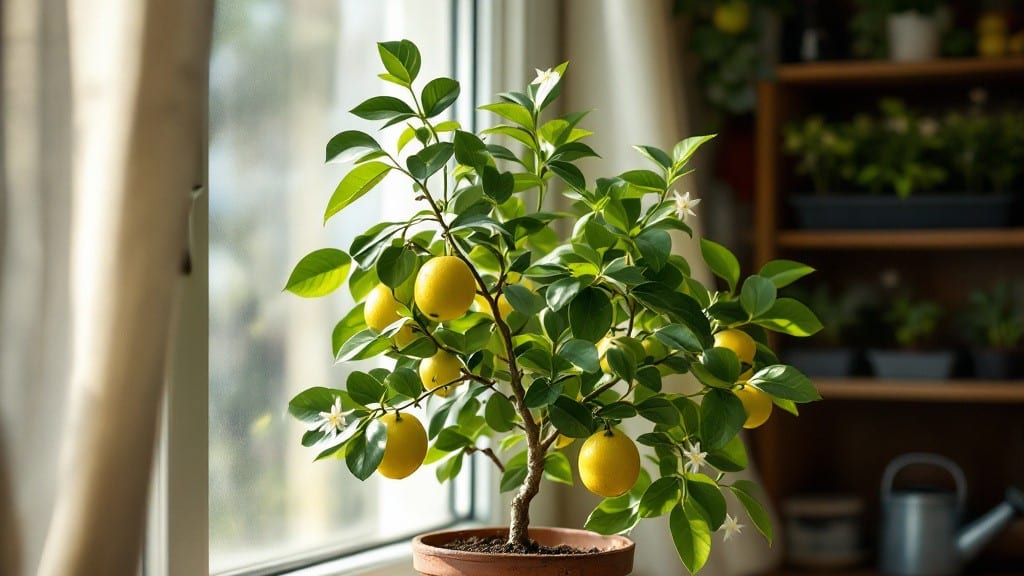
Growing lemon seeds indoors lets you turn a kitchen window into a citrus grove in just three months. ✨ The first time I watched a tiny seedling unfurl its first leaves, I knew this was the easiest way to grow a real lemon tree—no nursery required.
You’ll need patience, a sunny spot, and a few simple supplies, but the payoff is a fragrant, glossy-leaved tree that could produce fruit in a few years.
The trick starts with the right soil mix—light, well-draining potting soil with perlite keeps roots happy. Place your seed in a small pot near a south-facing window where it gets at least six hours of sunlight daily.
Water gently when the top inch feels dry, but never let it sit in soggy soil. Most seeds sprout within two to four weeks, though some take longer—don’t give up too soon.
By month three, you’ll have a sturdy seedling with vibrant green leaves, ready for a slightly larger pot. Keep it indoors until spring, then gradually introduce it to outdoor shade before moving it permanently.
With proper care, your lemon tree could grow tall enough to brush the ceiling—imagine plucking fresh lemons from your own windowsill.
Even if your tree never fruits, the journey is rewarding. Watching it grow teaches you about patience, light, and nurturing life from something as small as a seed. Here’s how to make it happen without the guesswork.
📚 In This Guide
- What you need
- Instructions
- Tips and common mistakes
- Wrapping up and next steps
What you need
- ● Lemon seeds – 3–5 fresh, plump seeds (harvested from organic lemons if possible)
- ● Seed-starting tray or small pots – 3–4" diameter (biodegradable pots work too!)
- ● Well-draining potting mix – 1–2 bags of seedling mix or cactus/succulent soil (avoid garden soil)
- ● Spray bottle – 8–16 oz (for gentle watering)
- ● Plastic wrap or humidity dome – To retain moisture
- ● Grow lights or sunny windowsill – South-facing window (6+ hours of light) or LED grow bulb
- ○ Fertilizer (optional but helpful) – Balanced liquid fertilizer (5-5-5 or 10-10-10, diluted to half-strength)
- ● Heating mat – For faster germination (70–80°F range)
- ● pH meter – To check soil acidity (ideal: 6.0–7.0)
- ● Tall pot (10"+) with drainage holes – For transplanting after 3–4 months
- ● Citrus-specific fertilizer – Low-nitrogen, high-potassium blend (e.g., 7-9-5)
- ● Humidifier or pebble tray – For extra moisture in dry climates
Step-by-step instructions for growing lemon seeds indoors
Here's how to transform a lemon pit into a thriving houseplant with bright yellow leaves.
🌱 Step 1: Extract and Prepare the Seeds
Cut your lemon in half and remove the seeds carefully using a spoon. Rinse them under cool water to remove any pulp residue. I like to soak the seeds in a bowl of room-temperature water for 24 hours—this softens the outer coating and speeds up germination.
After soaking, place the seeds between two paper towels and fold them up. Store the wrapped seeds in a sealed plastic bag to maintain moisture. Check daily—you'll see the first signs of sprouting in 3-7 days when the seed starts to crack open slightly.
🪴 Step 2: Choose Containers and Plant the Germinated Seeds
Use 4-inch diameter pots with drainage holes for your seedlings. Fill each pot halfway with well-draining potting mix—I mix regular potting soil with 20% perlite to prevent waterlogging. Plant each germinated seed about ½ inch deep, pressing the soil lightly around it to secure it.
Water gently until the soil feels moist but not soggy. Place the pots in a warm spot—70-75°F works best—where they won’t be disturbed. Keep the soil consistently damp (not wet) by misting lightly every 2-3 days until the first true leaves appear.
☀️ Step 3: Provide Bright, Indirect Light
Once the seedlings emerge, move them to a south-facing window where they’ll get 6-8 hours of bright, indirect light daily. Direct sunlight can scorch young leaves, so if you notice them turning yellow or crispy, adjust the position slightly.
You’ll know the light is right when the seedlings grow compact and sturdy with dark green leaves. If they stretch toward the light with long, thin stems, they need more brightness—consider adding a grow light for 12-14 hours a day if natural light is insufficient.
💧 Step 4: Water and Fertilize for Healthy Growth
Water the seedlings when the top inch of soil feels dry to the touch. I use a spray bottle for the first few weeks to avoid disturbing the delicate roots. After 4-6 weeks, when the seedlings have 3-4 sets of leaves, switch to watering from the bottom by placing the pot in a saucer of water for 10-15 minutes—this encourages deeper root growth.
Start fertilizing with a balanced liquid fertilizer (like 10-10-10) diluted to half-strength every 4 weeks. Over-fertilizing can burn young roots, so always water the plant first to flush out excess salts. You’ll see stronger, darker leaves within a few weeks of consistent feeding.
✂️ Step 5: Prune and Train for a Bushier Tree
When your seedlings reach 6-8 inches tall, pinch off the top set of leaves to encourage branching. This might seem counterintuitive, but it forces the plant to grow wider instead of just taller. Repeat this pruning every 2-3 inches of new growth to keep the shape full and lush.
If one seedling grows significantly faster than the others, trim it back slightly to balance their sizes. The goal is a bushy, multi-stemmed tree—this makes it stronger and more resilient. You’ll notice new side shoots forming within 2-3 weeks after pruning.
Tips & tricks for growing lemon seeds indoors
A few simple tricks can make all the difference between a thriving lemon tree and a sad, leggy seedling.
The Soaking Secret: Don't skip the 24-hour soak! This step breaks down the seed's tough outer shell, which is why you'll see those first little cracks in just 3-7 days. I like to use room-temperature water because cold water can shock the seeds. After soaking, I double-check the paper towel wrap is snug—condensation inside the bag helps maintain that perfect humidity.
Lighting Strategy: That 6-8 hours of bright, indirect light in Step 3 is non-negotiable for healthy growth. If your south-facing window doesn't get enough sunlight, a simple grow light on a timer for 12-14 hours can save your seedlings from stretching toward the light like hungry ghosts. I've seen seedlings go from compact to stretched in just a week when light conditions change!
Pruning Payoff: The 2-3 inch pruning rule in Step 5 might seem counterintuitive, but trust me—this is how you get that lush, bushy tree. When you pinch those top leaves, you're telling the plant "grow sideways instead!" I like to do this on a cloudy day when the plant is less stressed from bright light. You'll notice new side shoots forming within 2-3 weeks—this is your reward for patience.
Temperature Matters: That 70-75°F range isn't just arbitrary—it's the Goldilocks zone for germination and early growth. If your home runs cooler, consider using a seedling heat mat under the pots for the first few weeks. And if you're growing near a window, check for drafts—cold air from open windows can shock young seedlings and stunt their growth.
Pro Tips for Grow Lemon Seeds Indoors
- A few simple tricks can make all the difference between a thriving lemon tree and a sad, leggy seedling.
- The Soaking Secret: Don't skip the 24-hour soak!
- Lighting Strategy: That 6-8 hours of bright, indirect light in Step 3 is non-negotiable for healthy growth.
Frequently asked questions
Got questions?
Growing lemon seeds indoors can feel like a mix of science and patience—here are the answers to common concerns to keep your citrus adventure smooth.
How long does it take for lemon seeds to sprout?
Most lemon seeds sprout within 1 to 3 weeks if kept in warm, moist conditions (around 70°F). Patience is key—some stubborn seeds may take up to 4 weeks. Keep the soil damp (not soggy) and place the pot in indirect sunlight until sprouts appear.
Can I grow a lemon tree indoors that actually produces fruit?
While your indoor lemon tree can produce fruit, it’s rare and takes years (3–5+). Most indoor-grown lemon trees stay small and focus on foliage. For fruit, you’ll need a large pot (15+ gallons), bright light, and consistent care. If you’re patient, celebrate the leaves first!
Why are my lemon seeds rotting or moldy?
Overwatering or poor drainage is the usual culprit. Use a well-draining mix (like perlite + potting soil) and let the top inch dry between waterings. If mold appears, remove affected seeds, repot in fresh soil, and reduce moisture. A small fan on low can also improve airflow.
What if my lemon seedling grows leggy or weak?
Leggy seedlings mean they’re stretching for light. Move the pot to a sunnier spot (south-facing window or grow light) and rotate it weekly for even growth. If the stem is weak, support it with a small stake. Avoid cold drafts—lemon trees love warmth (60°F+).
Can I use store-bought lemons for seeds, or do I need organic?
Store-bought lemons work fine! Just wash the seeds thoroughly to remove residue. Organic isn’t required, but it reduces the chance of chemical exposure. Rinse seeds in water for 10 minutes before planting to boost germination. Pro tip: Choose plump, undamaged seeds—they’re more likely to sprout.
How big should my lemon tree get indoors?
Indoor lemon trees typically stay 3–6 feet tall unless pruned aggressively. Use a 10–15 gallon pot for mature trees and prune in early spring to control size. Dwarf varieties (like ‘Meyer’ lemons) stay smaller but still need regular care. Rotate the pot monthly for balanced growth.
Wrapping up and next steps
Growing a lemon tree from seeds indoors is a rewarding journey that brings a touch of sunshine into your home—literally!
With the right care, patience, and a sunny spot, you’ll soon enjoy fresh lemons, fragrant blooms, and the joy of nurturing life from scratch. Now that you’ve got the know-how, why not take the next step? Share your progress with fellow plant lovers, experiment with different varieties, or even gift a sapling to a friend.
Your tiny citrus adventure is just beginning—keep those green thumbs busy! 🌱🍋