Lawn
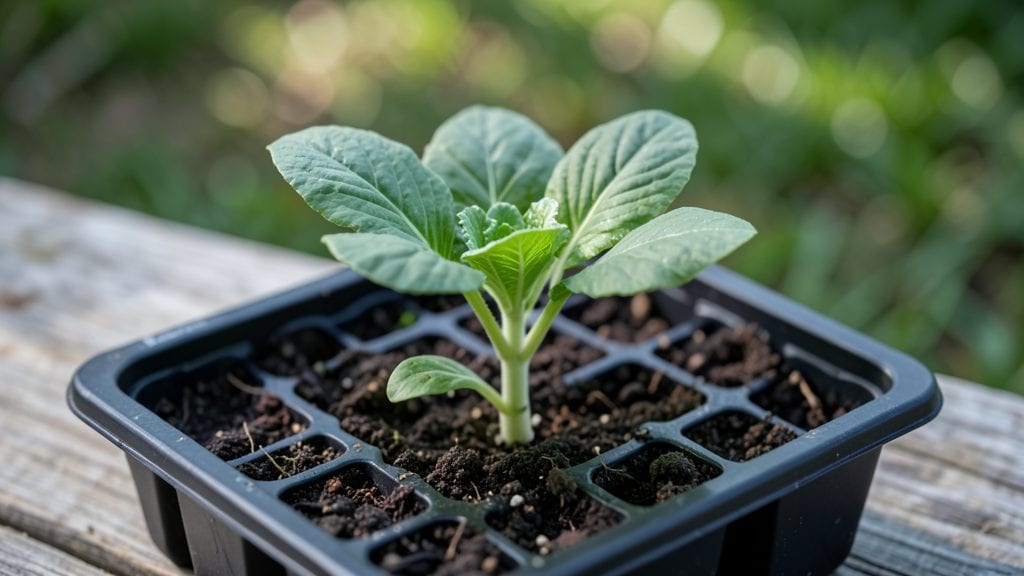
Seed planting definition describes the essential process of sowing seeds into prepared soil or growing media to kickstart plant development, where proper placement, moisture, and environmental factors determine whether seeds will sprout and thrive.
This foundational gardening technique isn't just about dropping seeds into dirt—it's a science that balances soil composition, moisture levels, and temperature to trigger germination. 🌱 For instance, larger seeds like beans need deeper planting (1-2 inches) to protect their energy reserves, while tiny flower seeds barely need covering.
I’ve seen even experienced gardeners overlook how light exposure affects certain varieties, like lettuce, which prefers shallow burial to prevent rot while still staying moist.
Beyond the basics, successful seed planting also depends on understanding your local climate's frost dates and heat tolerance of specific plants. Direct sowing in cold frames can extend growing seasons, while transplanting seedlings gives delicate plants a head start against unpredictable weather.
The right tools—like a fine-mesh sifter for even soil distribution or a dibber for precise hole-making—can make all the difference between a thriving garden and a frustrating failure.
💡 In This Article
- How Seed Germination Works in Plant Growth
- Essential Tools and Techniques for Successful Seed Planting
How seed germination works in plant growth
Here's what actually happens when you plant a seed: the process begins with imbibition, where the seed absorbs water through its semi-permeable seed coat. This triggers metabolic reactions that break dormancy, causing the seed to swell as much as 50-100% of its original size within hours.
The absorbed water activates enzymes that convert stored starches into sugars, providing the energy needed for growth. Think of it like waking up from hibernation—your body needs fuel to move, and seeds are no different.
The next critical stage is radicle emergence, where the embryonic root (radicle) pushes through the seed coat and into the soil. This happens when moisture and temperature are just right—typically between 50-85°F depending on the plant species.
For example, tomato seeds germinate best at 70-80°F, while spinach prefers cooler 55-65°F ranges.
The radicle grows downward first, anchoring the seedling and accessing water from the soil before any above-ground growth occurs. 🌱 This downward push can exert forces up to 100 times the seed's weight, which explains why some seeds need firm but moist soil to break through.
The seed's internal structure plays a huge role in how deep you should plant. Seeds with thick coats or large energy reserves (like beans or peas) need 1-2 inches of soil coverage to protect them from drying out or temperature fluctuations.
These seeds contain endosperm—a nutrient-rich tissue that fuels early growth. In contrast, tiny seeds like lettuce or marigolds barely need covering (1/8 inch or less) because their delicate structures would suffocate under deeper burial.
The rule of thumb is: plant seeds 2-3 times their diameter deep—this ensures they have enough moisture to germinate without rotting from excess water.
Light exposure becomes crucial after the radicle emerges. Some plants, called photoblastic seeds, require light to germinate (like many weeds), while others (like tomatoes) germinate better in darkness. The hypocotyl—the stem portion that pushes upward—will either grow straight (in dark conditions) or bend toward light (a process called phototropism).
This is why you might see seedlings "arching" toward a window. Temperature also affects growth speed: warmer soils (75-85°F) can see germination in just 3-7 days, while cooler conditions may take 2-3 weeks or longer.
What most people don't realize is how sensitive this process is to oxygen levels. Seeds need 10-20% oxygen in the soil to respire properly—too much water displaces oxygen, causing seeds to rot before they sprout. This is why well-draining soil is non-negotiable.
For instance, clay soils hold too much moisture and can suffocate seeds, while sandy soils drain too quickly and may not retain enough water. The ideal medium balances these factors, often requiring amendments like compost to improve structure and moisture retention. 💫
Consider how seed size influences planting timing: larger seeds (like pumpkins) can be planted directly in the garden, while tiny seeds (like petunias) often require indoor starting 6-8 weeks before the last frost.
The seed's natural dormancy period also matters—some seeds need cold stratification (like apple seeds) to break dormancy, while others require scarification (scratching the seed coat) to allow water penetration. Understanding these nuances can mean the difference between a garden full of greens and a sad row of empty soil.