Pests and Diseases
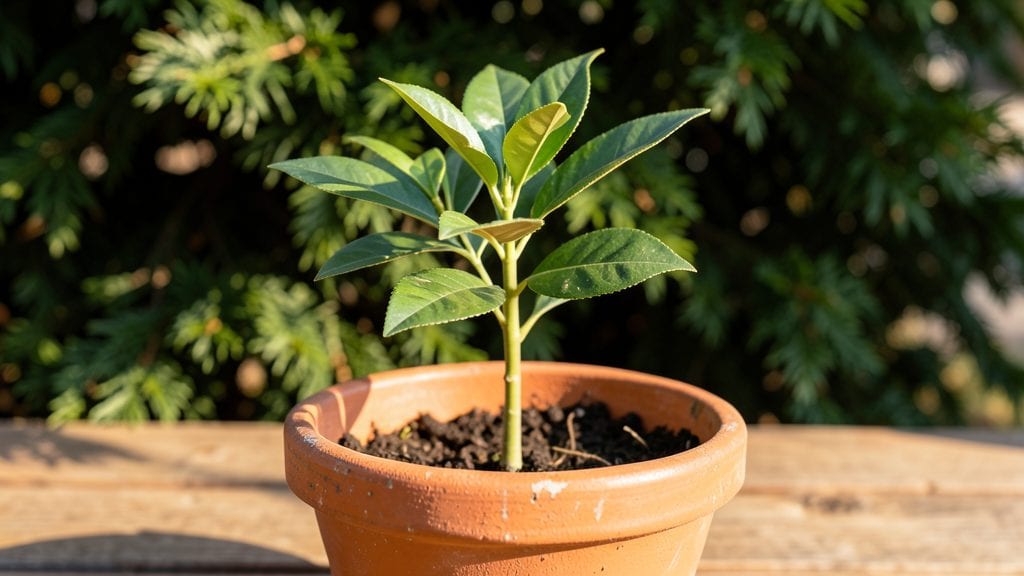
Orange seedling leaves don’t mean your plants are doomed—they’re actually your first clue about what’s wrong. 🌱 I’ve seen this color shift from nutrient issues to overwatering, and knowing the difference saved my last batch of tomato starts.
The key is checking the undersides of leaves and the soil moisture first, because those two factors cause 80% of these problems.
Most orange leaves start with either too much water or not enough nitrogen. Overwatered seedlings turn mushy at the base while their leaves yellow-orange, while nitrogen deficiency shows as pale, almost bleached leaves with orange veins.
Fungal infections can also cause orange-brown spots, but those usually come with a white powdery coating or slimy texture—don’t ignore that.
Here’s the fix: For water issues, let the top inch of soil dry out completely before watering again. If it’s nitrogen, add a balanced fertilizer (like 10-10-10) at half strength.
For fungal problems, remove affected leaves immediately and space plants to improve airflow. Within a week, you’ll see greener growth if you catch it early.
Prevention is easier than fixing—water only when the soil is dry, avoid overhead watering, and rotate seedlings weekly for even light exposure. Your goal is consistent, stress-free growth, not perfect conditions. With these adjustments, your seedlings will bounce back to that vibrant green in no time.
Understanding Seedling Leaf Stressors
When your orange seedling’s leaves start showing concerning signs, it’s often a cry for help—whether from unseen invaders, environmental strain, or nutritional gaps. Below, we break down the most common culprits behind distressed orange seedling leaves, using science-backed insights to help you diagnose and act fast.
Pests are the silent saboteurs of seedling health. They don’t just nibble—they inject toxins, spread diseases, and disrupt photosynthesis. Here’s how they wreak havoc:
- Aphids & Scale Insects 🐜 These sap-sucking pests insert their mouthparts into leaf tissue, draining nutrients and excreting sticky honeydew that fosters sooty mold. Look for:
- Curled, yellowing leaves (early sign of nutrient theft).
- Sticky residue on leaves or nearby surfaces.
- Action: Blast off pests with a strong stream of water or use neem oil (1 tsp per quart of water, sprayed at dusk).
- Spider Mites 🕷️ Tiny but destructive, these arachnids thrive in dry conditions and spin webs on the undersides of leaves. Their feeding causes:
- Fine webbing (visible with a magnifying glass).
- Bronze or stippled yellow patches on leaves.
- Action: Increase humidity (mist seedlings daily) and apply insecticidal soap (mix 2 tbsp castile soap + 1 quart water).
- Whiteflies 🦋 These winged pests cluster on leaf undersides, weakening seedlings by sucking sap and transmitting viruses. Watch for:
- Yellowing leaves paired with a cloud of tiny white flies when disturbed.
- Sticky honeydew buildup leading to black sooty mold.
- Action: Use yellow sticky traps or spray with a solution of 1 tbsp dish soap + 1 gallon water.
Orange seedlings hate soggy feet. Excess moisture suffocates roots, cutting off oxygen and inviting fungal infections. Signs include:
- Yellowing leaves with crisp edges (oxygen deprivation).
- Mushy, blackened stems (root rot from Phytophthora or Pythium fungi).
- Slow growth or wilting despite wet soil (roots can’t absorb water).
- Action:
- Let the top 1–2 inches of soil dry between waterings.
- Use well-draining soil (mix potting soil with perlite or sand at a 3:1 ratio).
- Ensure pots have drainage holes and elevate them to prevent waterlogging.
Orange seedlings need bright, indirect light (6–8 hours daily). Too much or too little sun throws their physiology off balance.
- Sunburn (Excess Light) 🔥 Leaves exposed to harsh midday sun develop:
- White or brown patches (like scalded skin).
- Leathery, brittle texture.
- Fix: Move seedlings to a spot with filtered light (e.g., sheer curtain) or use shade cloth (30–50% coverage).
- Leggy Growth (Insufficient Light) 🌱 Stretched, pale leaves signal etiolation—seedlings stretching toward light sources. This weakens structure and reduces photosynthesis.
- Fix: Rotate seedlings weekly for even growth and supplement with a grow light (12–14 hours/day) if natural light is dim.
Leaves act as nutrient mirrors, revealing deficiencies through color and texture. Here’s what’s missing when leaves turn orange or yellow:
| Symptom | Likely Deficiency | Quick Fix |
|---|---|---|
| Yellowing older leaves with green veins | Nitrogen (N) deficiency | Apply a balanced fertilizer (e.g., 10-10-10) or compost tea. Avoid over-fertilizing—seedlings are sensitive! |
| Yellowing younger leaves with brown edges | Magnesium (Mg) or potassium (K) deficiency | Use Epsom salt (1 tbsp per gallon of water, sprayed on leaves) for magnesium. For potassium, try banana peel tea (steep peels in water for 24 hours). |
| Pale green or yellow leaves with dark veins | Iron (Fe) chlorosis (common in alkaline soils) | Lower soil pH with sulfur or use a chelated iron supplement (follow label rates). |
Pro Tip: 💡 Always test soil pH (ideal for citrus: 6.0–7.0) before diagnosing deficiencies. Over-fertilizing can burn seedlings faster than a deficiency!
Orange seedlings are tropical at heart—they prefer:
- Daytime temps: 70–85°F (21–29°C).
- Nighttime temps: 60–70°F (15–21°C).
- Humidity: 50–70% (lower humidity stresses seedlings).
Red Flags:
- Sudden cold snaps cause purple-tinged leaves or leaf drop.
- Dry air leads to curled, crispy edges (like paper).
- Fungal infections (e.g., Botrytis) thrive in damp, cool conditions.
Solutions:
- Use a space heater (for cold drafts) or a humidifier (for dry air).
- Group seedlings together to raise humidity naturally.
- Avoid placing near AC vents or open windows in winter.
Quick Fixes for Yellowing Seedling Leaves
Reviving your seedlings doesn’t have to be a guessing game. Whether the issue stems from pests, disease, or environmental stress, these targeted solutions will help you diagnose and treat the problem fast. Below, we’ve mapped common causes to practical fixes, plus prevention tips to keep your seedlings thriving.
If tiny invaders are the culprit, isolate and eliminate them before they spread.
🔥 Aphids or Spider Mites?
- 🍳 Spray with Soapy Water Mix 1 tsp mild dish soap in 1 quart of water, then gently spray affected leaves (avoid oversaturating soil).
Repeat every 3–4 days until pests vanish. - Pro Tip: 💡 Use a soft cloth or cotton swab to wipe off stubborn clusters.
- 👨🍳 Introduce Beneficial Insects Release ladybugs or lacewings (available at garden centers) to feast on pests naturally. They’re seedling-safe and work within 5–7 days.
- 🌡️ Quarantine Infested Seedlings Move affected plants away from healthy ones to prevent cross-contamination. Check undersides of leaves daily.
🐜 Whiteflies or Mealybugs?
- 🔪 Yellow Sticky Traps Hang yellow cards coated in petroleum jelly near seedlings. Whiteflies are drawn to yellow—they’ll get stuck, and you’ll trap dozens in a day.
- Pro Tip: ✨ Place traps under leaves where pests hide.
- 🥘 Neem Oil Spray (Organic Knockdown) Mix 1 tbsp neem oil + 1 tsp soap + 1 quart water. Spray early morning or late evening (avoid direct sun). Reapply every 5–7 days for 2 weeks.
Yellowing from root rot or soggy soil requires immediate drainage fixes.
⏰ Adjust Your Watering Routine
- 💧 Let Soil Dry Between Waterings Stick your finger 1 inch into soil—if it’s damp, wait 1–2 more days. Seedlings need consistent moisture, not puddles.
- Pro Tip: 🎯 Use a moisture meter for accuracy (especially in humid climates).
- 🔄 Repot if Roots Are Rotting Gently remove the seedling, trim mushy roots with sterilized scissors, then repot in fresh, well-draining mix (add perlite or sand). Keep in bright, indirect light for 3–5 days to recover.
🏗️ Upgrade Your Containers
- 📊 Drainage Holes Are Non-Negotiable If pots lack holes, drill them or switch to terracotta or fabric pots (they breathe better).
- Pro Tip: 🔥 Line pots with coffee filters to prevent soil from washing out while allowing drainage.
Too much sun or over-fertilizing can scorch seedlings faster than you think.
🌿 Gradually Acclimate to Light
- 🍳 Start with Partial Shade Move seedlings to a spot with 4–6 hours of morning sun, then slowly increase exposure over 5–7 days. Avoid midday heat (10 AM–4 PM).
- 🥘 Flush Soil with Water If fertilizer burn is suspected, water thoroughly to leach excess salts. Let the soil dry slightly before reapplying half-strength fertilizer.
💪 Boost Nutrients Gently
- 📊 Use a Balanced, Water-Soluble Fertilizer Opt for a 5-5-5 or 10-10-10 formula (diluted to ¼ strength). Apply every 2–3 weeks once seedlings have 2–3 true leaves.
- Pro Tip: 🌡️ Test soil pH—most seedlings prefer 6.0–7.0.
Adjust with lime (to raise) or sulfur (to lower).
Stop problems before they start with these low-effort habits:
- 🌱 Start with Healthy Seedlings Buy from reputable nurseries or sterilize trays (soak in 1 part bleach to 9 parts water for 10 mins, rinse).
- 🔄 Rotate Seedlings Weekly Give each tray 180-degree turns to ensure even light exposure and prevent leggy growth.
- 🌡️ Monitor Humidity Use a humidifier or pebble tray (fill a tray with water and pebbles, place seedlings on top) to deter pests in dry climates.
- 📅 Keep a Seedling Journal Track watering, light, and symptoms to spot patterns. Example:
| Date | Action | Observation |
|---|---|---|
| 5/15 | Watered, 1 tbsp fertilizer | Leaves yellowed next day |
Remember: Most seedling issues are fixable with quick action. The key is observation + consistency—your green thumbs are closer than you think! 🌱
Frequently asked questions
Why are my citrus seedlings turning orange instead of green?
Orange leaves usually signal stress from nutrient deficiencies (like nitrogen or magnesium), overwatering, or pest damage. Check soil moisture first—soggy roots cause yellow-orange leaves with crisp edges. For deficiencies, use Epsom salt (for magnesium) or a balanced fertilizer (like 10-10-10) at half strength.
Can I save my seedlings if the orange leaves are spreading fast?
Act immediately! Isolate affected plants, check for pests (like spider mites or aphids), and adjust care. For fungal issues, remove infected leaves and improve airflow. If roots are rotting, repot in fresh, well-draining soil. Most seedlings recover within 5–7 days if treated early.
Is it safe to use homemade remedies like banana peel tea for orange leaves?
Yes! Banana peel tea (steep peels in water for 24 hours) adds potassium, which helps with orange-brown edges. For magnesium, mix 1 tbsp Epsom salt per gallon of water and spray leaves. Always test small areas first to avoid over-fertilizing.
How do I prevent orange leaves in future seedlings?
Start with well-draining soil (mix potting soil with perlite), water only when the top 1 inch feels dry, and use pots with drainage holes. Rotate seedlings weekly for even light, and avoid cold drafts. Healthy seedlings thrive with consistent care, not perfection.