Trees
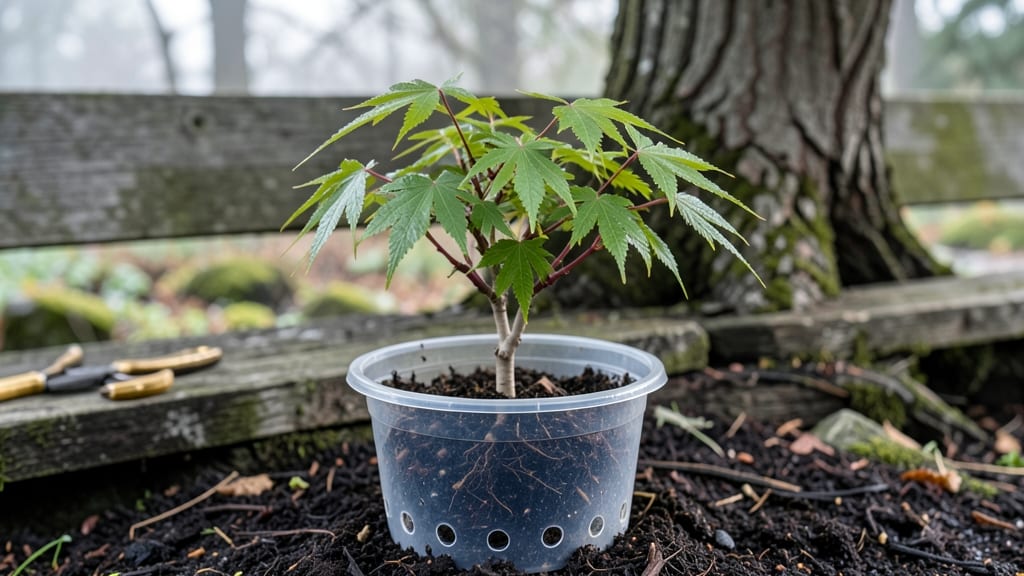
Caring for a Japanese maple seedling means shaping its future grace. 🌿 I’ve watched these delicate trees transform from tiny saplings into stunning centerpieces, and the key to their long-term beauty starts with the first year—especially how you prune.
The right cuts now mean a tree with elegant branching and vibrant foliage for decades.
You’ll need well-draining soil, a spot with dappled shade, and a gentle touch when pruning. Most beginners overdo it in spring, but Japanese maples respond best to light shaping throughout the year—especially after new growth appears.
Think of pruning as sculpting, not hacking: every cut should encourage that graceful, weeping form they’re known for.
By winter’s end, you’ll see stronger stems and fuller canopies, with fewer weak branches that could snap in storms. The secret is patience—these trees grow slowly, but with consistent care, they’ll reward you with velvety leaves and a structure that makes your yard feel like a tranquil forest corner.
Works for both container-grown seedlings and in-ground plantings, though container trees need slightly more frequent watering. Let’s get those branches looking intentional from day one.
📚 In This Guide
- What you need
- Instructions
- Tips and common mistakes
- Wrapping up and next steps
What you need
- ● Japanese maple seedling: A healthy, disease-free sapling (3–6 inches tall) from a trusted nursery.
- ● Well-draining potting mix: 5–10 gallons (for containers) or amended garden soil (for in-ground planting). Mix in perlite or sand (20–30%) for aeration.
- ● Container or planting site: For containers: 1–2 gallon pots with drainage holes (if starting small) or a 15+ gallon pot for mature seedlings.
- ● For in-ground: A hole twice as wide as the root ball, enriched with compost.
- ● Pruning tools: Bypass pruners (for clean cuts on stems ¼-inch thick).
- ○ Concave-cutting pruners (optional, for precise shaping).
- ● Mulch: 2–3 inches of organic mulch (e.g., shredded bark or pine needles) to retain moisture and regulate soil temperature.
- ● Watering can or hose with a gentle spray nozzle: For deep, infrequent watering (1–2 gallons per watering for seedlings).
- ● Slow-release fertilizer (balanced 10-10-10 or acidic fertilizer like Miracle-Gro Azalea/Camellia).
- ● Plant support (e.g., bamboo stakes or spiral ties) for windy areas.
- ● pH testing kit (ideal range: 5.0–6.5 for Japanese maples).
- ● Fungicide (e.g., copper fungicide) to prevent powdery mildew in humid climates.
- ● Shade cloth (30–50%) for seedlings in hot, direct sunlight.
Step-by-Step guide for Japanese maple seedling pruning
Mastering pruning transforms a scraggly seedling into a stunning ornamental tree.
🌱 Step 1: Assess Growth and Mark Pruning Points
Examine your seedling for new growth—this is your cue to prune. Focus on removing any branches that grow inward or cross others, as these compete for sunlight and weaken the tree's structure. Use sharp pruning shears to make clean cuts just above a leaf node or outward-facing bud.
I always start by identifying the central leader—the main upward-growing branch. This should be your seedling's primary focus. Any branches growing at sharp angles (less than 45 degrees) from the trunk should be pruned back. You'll know you're on the right track when the seedling's silhouette begins to resemble a natural, balanced canopy.
✂️ Step 2: Prune for Structure in Early Spring
Spring is the best time to shape your Japanese maple seedling. Aim for 10-15% of the total foliage removal to encourage bushier growth without stressing the plant. Start by thinning out the weakest branches—look for those that are thin, brittle, or growing straight up from the trunk.
Make cuts at a 45-degree angle, about ¼ inch above a bud or leaf node. This angle helps water run off the cut, reducing the risk of rot. Avoid leaving stubs—this invites disease. If you're unsure, trim back to a healthy leaf node rather than risking an improper cut.
☀️ Step 3: Light Summer Maintenance Pruning
During the growing season, perform light pruning to remove any dead, diseased, or damaged branches. Japanese maples are sensitive to heavy pruning in summer, so limit yourself to 5-10% of the foliage. Focus on branches that are rubbing against others or growing in an unnatural direction.
This is also the time to check for water sprouts—fast-growing, vertical shoots that steal energy from the main structure. Snip these off at the base. You'll notice the seedling's growth becomes more balanced and its leaves develop a richer color as you remove these energy drains.
🪴 Step 4: Minimal Winter Pruning for Health
Winter pruning should be minimal—just enough to remove any dead or broken branches that survived the season. Avoid heavy pruning in late winter, as this can stimulate new growth too early, which is vulnerable to late frosts. Instead, focus on cleaning up the seedling's structure.
Use sterilized tools to make clean cuts, and dispose of any diseased branches immediately. This prevents the spread of pathogens to healthy parts of the tree. You'll see the seedling emerge in spring with a cleaner, more refined shape, ready for another year of growth.
⏰ Step 5: Year-Round Monitoring and Adjustments
Keep an eye on your seedling throughout the year. If you notice branches growing too close together, prune one to improve airflow and reduce disease risk. Regularly check for signs of stress, such as yellowing leaves or stunted growth—these can signal over-pruning or other issues.
Adjust your pruning approach based on what you observe. For example, if your seedling grows too leggy, it may need more light or a slight trim to encourage bushier growth. The goal is to maintain a natural, graceful shape while promoting healthy development. With consistent care, your Japanese maple seedling will mature into a stunning, well-proportioned tree.
Tips & tricks for perfect Japanese maple seedling pruning
A few strategic techniques will help you transform your seedling into a showstopping ornamental tree with minimal stress to the plant.
Tool Preparation: Sterilize your pruning shears with rubbing alcohol before each use to prevent spreading disease between cuts. I also recommend keeping a small brush handy to clean away sawdust and debris from cuts—this reduces infection risk. For larger branches, use bypass pruners rather than anvil pruners, which crush rather than cleanly cut.
Seasonal Timing Secret: In Step 2, when pruning for structure in early spring, look for the "candle" stage—when buds begin to swell but before leaves emerge. This is the optimal window because the tree's energy is focused on new growth rather than healing wounds. For summer maintenance (Step 3), always prune on cloudy days to reduce stress from sun exposure on fresh cuts.
Visual Pruning Guide: When assessing growth in Step 1, imagine looking at your seedling from above. The ideal shape resembles an open umbrella with the central leader as the handle. Any branch that grows toward the center should be removed immediately—these compete for sunlight and create weak points. For winter pruning (Step 4), focus on removing branches that are dead, diseased, or crossing others, even if they appear healthy.
Recovery Strategy: After heavy pruning (especially in spring), apply a thin layer of wound sealant to larger cuts over ½ inch in diameter. This isn't necessary for small prunings but helps prevent moisture loss and infection. I also recommend giving your seedling a balanced fertilizer after major pruning sessions to support new growth. Monitor for signs of stress like yellowing leaves or wilting—these indicate the tree needs additional care during recovery.
Pro Tips for Japanese Maple Seedling Care
- A few strategic techniques will help you transform your seedling into a showstopping ornamental tree with minimal stress to the plant.
- Tool Preparation: Sterilize your pruning shears with rubbing alcohol before each use to prevent spreading disease between cuts.
- Seasonal Timing Secret: In Step 2, when pruning for structure in early spring, look for the "candle" stage—when buds begin to swell but before leaves emerge.
Frequently asked questions
about Japanese maple seedling care—because growing these delicate beauties comes with plenty of curiosity! Whether you're a first-time gardener or a seasoned pruner, these answers will help you keep your seedling thriving.How often should I water my Japanese maple seedling?
Keep the soil consistently moist (but not soggy) for the first year. Water deeply 2–3 times a week, adjusting for rain or extreme heat. Once established, they tolerate slight drought, but seedlings need regular hydration. Pro tip: Mulch around the base to retain moisture!
When is the best time to prune a young Japanese maple?
Prune in late winter or early spring (before buds swell) to encourage healthy growth. Avoid heavy pruning in fall—it stresses the tree. For seedlings, focus on removing dead or crossing branches. Warning: Sterilize tools to prevent disease!
Why are my Japanese maple leaves turning yellow?
Yellow leaves often signal overwatering, nutrient deficiency, or fungal issues. Check soil moisture and drainage first. If roots are waterlogged, reduce watering. For nutrient needs, fertilize lightly in spring with balanced, acidic fertilizer (10-10-10).
Can I grow a Japanese maple from seed?
Yes, but it’s challenging! Seeds require stratification (cold treatment) for months before germination. Many gardeners prefer grafting or buying seedlings for faster, more reliable results. Patience is key—it may take 2–3 years for seedlings to mature!
How do I protect my seedling from pests?
Japanese maples attract aphids, spider mites, and scale insects. Spray with neem oil or insecticidal soap for mild infestations. For severe cases, introduce beneficial insects like ladybugs. Prevention tip: Keep the area clean and avoid over-fertilizing with nitrogen!
Wrapping up and next steps
Caring for your Japanese maple seedling is a rewarding journey that blends patience with precision—just like nurturing a delicate work of art! 🌿 With the right year-round pruning techniques, proper soil conditions, and gentle protection from harsh elements, your tree will flourish into a stunning, graceful centerpiece.
Remember, consistency is key: regular checks, mindful trimming, and a little love go a long way.
Now that you’re armed with the know-how, roll up your sleeves and get growing! Start by scheduling your next pruning session—whether it’s shaping those early spring buds or preparing for winter’s chill. Before you know it, your Japanese maple will be the envy of the neighborhood. Happy gardening! 🌸