
Blooming
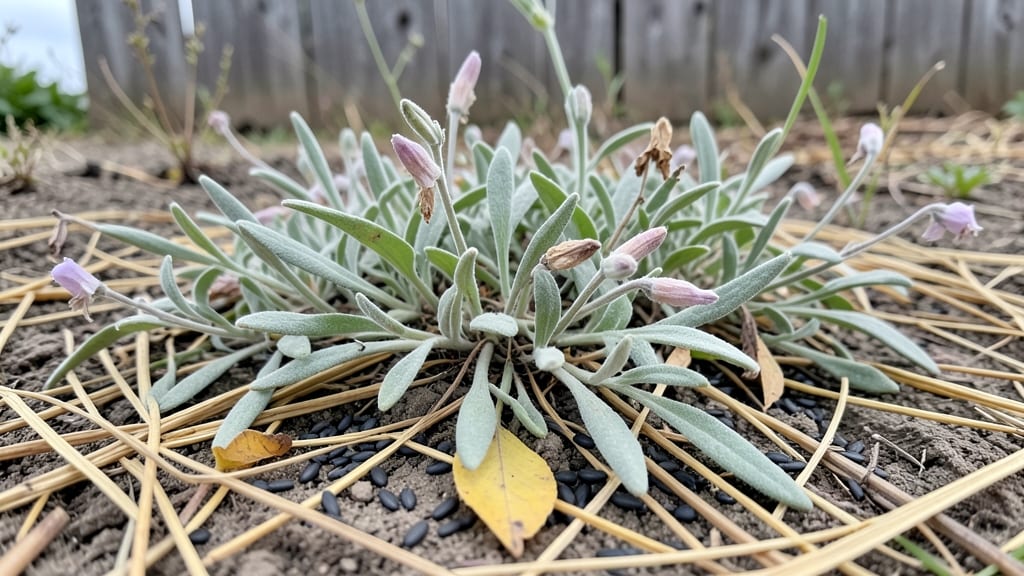
When chia seeds bloom, you're witnessing nature's own thickening gel factory—those delicate white flowers signal the seeds' readiness to form their famous hydrating gel. 🌱 I grew my first chia plants last summer, and watching those tiny blossoms open felt like uncovering a secret ingredient in my kitchen garden.
The process is simpler than you'd think, though most gardeners overlook chia's dual purpose as both a food and ornamental plant.
The key to blooms lies in patience and perfect conditions: 6-8 hours of sun daily, well-draining soil, and consistent moisture without soggy roots. Most people assume chia needs tropical humidity, but I've grown them successfully in Zone 7 with just a little extra water during flowering.
The plants stay compact—ideal for containers—so they won't overwhelm small spaces. Once established, they're surprisingly low-maintenance, though they do need regular deadheading to encourage more blooms.
Those pretty white flowers aren't just showy—they're edible and attract pollinators like bees, making your chia patch a mini ecosystem. The gel magic happens when you harvest the seeds after blooms fade, but the flowers themselves add delicate beauty to cutting gardens.
You'll know you've succeeded when your plants produce 2-3 inches of blooms over several weeks, with each flower lasting just 24 hours before dropping its seeds.
Fair warning: chia's blooming cycle is sensitive to temperature swings—too hot or too cold can stunt flowers. But with the right care, you'll get both the gel-making seeds and unexpected garden charm. Here's how to coax those blossoms every season.
The Science Behind Seed Expansion
When chia seeds bloom—transforming into a gel-like substance—it’s not magic, but a fascinating blend of chemistry and physics. Understanding why this happens helps you control the process for perfect recipes every time. Let’s break down the key factors that turn tiny chia seeds into a thickening powerhouse.
Chia seeds are naturally hydrophilic, meaning they love water. Their outer shell contains soluble fibers (like mucilage), which rapidly soak up moisture and swell when exposed to liquid. Here’s how it works:
- Mucilage Activation: When chia seeds touch water, their outer layer releases mucilage—a sticky, gel-forming polysaccharide. This substance binds with water molecules, creating a gel matrix.
- Osmostic Pressure: Water rushes into the seed via osmosis, forcing the seed’s interior to expand. This is why chia seeds can absorb 10-12 times their weight in water within minutes.
- Seed Structure: The seed’s hard outer coat protects its inner nutrients but also traps water inside, preventing the gel from breaking down too quickly.
Pro Tip: 💡 Cold water speeds up blooming because it reduces surface tension, allowing water to penetrate faster. Warm water works too but may require a longer soak (5–10 minutes vs. 1–5 minutes).
The temperature and amount of liquid directly impact how chia seeds bloom. Get these wrong, and you’ll end up with a clumpy mess or a runny sludge.
| Factor | Ideal Conditions | What Happens If Wrong? |
|---|---|---|
| Liquid Temperature | Room temp (68–72°F) or cold (best for quick blooming) |
|
| Liquid-to-Seed Ratio | 1 part chia seeds to 3–4 parts liquid (adjust for thickness) |
|
Actionable Fix: ✨ For smooth, consistent blooming, whisk seeds into liquid gradually while stirring to distribute water evenly. Let them sit for 5–10 minutes before using.
Not all chia seeds bloom the same way. Their age, storage, and processing play a huge role in how well they hydrate.
- Fresh vs. Old Seeds:
- Fresh seeds: High mucilage content = faster, firmer gels.
- Old/seeds stored improperly: Mucilage degrades, leading to weak or clumpy gels.
- Moisture Exposure: Seeds stored in humid conditions may pre-bloom or develop mold before you even use them.
- Processing Methods:
- Whole seeds: Bloom slower but create thicker gels.
- Ground chia seeds: Absorb water instantly but may lack structure.
Storage Hack: 🔥 Keep chia seeds in an airtight container in a cool, dry place (or fridge for long-term). Avoid plastic bags—they trap moisture!
Chia seeds are neutral to slightly alkaline, but adding acidic ingredients (like lemon juice, yogurt, or vinegar) can alter their blooming behavior.
- Acidic Environments:
- Citrus, tomatoes, or dairy can soften the gel or cause it to break down faster.
- Result: Weaker thickening power in recipes like dressings or smoothies.
- Alkaline Additions:
- Ingredients like baking soda or coconut milk can enhance gel stability.
- Best for: Puddings or vegan cheeses where you want a firmer texture.
Recipe Tip: 🎯 If using chia seeds in acidic dishes, add them last or mix in a neutral base (like almond milk) first, then incorporate the acidic component.
How you handle chia seeds before and after adding liquid affects the final texture.
- Stirring Too Soon: Can create clumps as seeds compete for water.
- Letting Them Sit: Allows even hydration and a smooth, glossy gel.
- Overmixing After Blooming: Breaks down the gel structure, turning it grainy or pasty.
Perfect Mixing Method: ⏰
- Whisk chia seeds into liquid vigorously for 30 seconds to distribute them evenly.
- Let sit unmixed for 5–10 minutes.
- Give a gentle stir before using to maintain gel integrity.
Reviving your gel game
If your chia seeds haven’t bloomed as expected—or worse, turned into a sad, waterlogged mess—don’t toss them just yet! Most issues with chia seed hydration are fixable with a few simple tweaks.
Below, we break down the most common problems and their solutions, so you can turn those seeds into the perfect gel every time. Plus, we’ll share pro tips to keep your chia seeds blooming like a champ.
Problem: Chia seeds need the right amount of water to bloom properly. Too little, and they’ll stay dry; too much, and they’ll clump or even spoil.
Fix It:
- For the perfect gel: Use a 1:4 ratio (1 part chia seeds to 4 parts water). For example, 1 tablespoon of chia seeds + 4 tablespoons of water.
- For thicker gels (like pudding): Try a 1:3 ratio (1 part seeds to 3 parts liquid).
- For drinks or smoothies: A 1:10 ratio works best—just stir and let sit for 10–15 minutes.
Prevention Tips: ✅ Measure carefully—use a kitchen scale for precision if needed. ✅ Adjust based on liquid type—water, almond milk, or coconut water may require slight tweaks. ✅ Stir gently after adding seeds to avoid clumping.
Problem: Chia seeds need 10–15 minutes to fully absorb water and form a gel. Rushing it means a gummy, uneven texture.
Fix It:
- Let them sit undisturbed for at least 10 minutes before stirring.
- For overnight recipes (like chia pudding), refrigerate for 2+ hours for a firmer texture.
- If in a hurry, blend the hydrated seeds for a smoother consistency (great for smoothies!).
Prevention Tips: 💡 Set a timer—don’t walk away while they’re soaking! 💡 Use room-temperature liquid—cold liquids slow down absorption. 💡 Strain if needed—if seeds clump, blend or strain through a fine mesh sieve.
Problem: Extreme temperatures can prevent proper blooming—hot water "cooks" the seeds, while ice-cold liquids slow them down.
Fix It:
- Use room-temperature water (around 70°F/21°C) for ideal blooming.
- If using cold liquids (like milk), let them sit for 5–10 minutes before adding seeds.
- Avoid boiling water—it can make the gel gummy or even bitter.
Prevention Tips: ✨ Warm liquids slightly (microwave for 20–30 seconds) if they’re straight from the fridge. ✨ Store bloomed chia seeds in the fridge (up to 5 days) to slow spoilage.
Problem: Not all liquids hydrate chia seeds the same way. Some make them clump, others dilute the gel.
Fix It:
- Best liquids for blooming: Water, coconut water, almond milk, or oat milk.
- For thicker gels: Use unsweetened plant-based milk (higher fat content = creamier texture).
- Avoid: Orange juice (too acidic), soda (sugary and fizzy), or dairy milk (can curdle).
Prevention Tips: 🔥 Experiment with ratios—some liquids (like coconut water) may need a 1:5 ratio. 🔥 Add a pinch of salt (¼ tsp per cup of liquid) to help seeds absorb better.
Problem: Chia seeds have a shelf life! If they’re past their prime, they won’t bloom well—or may even grow mold.
Fix It:
- Test a small batch first—if they sink instead of floating after 10 minutes, they’re likely bad.
- Discard any seeds with a sour smell, mold, or slimy texture.
Prevention Tips: 💡 Store seeds in an airtight container in a cool, dark place (or fridge for long-term). 💡 Buy organic, non-GMO chia seeds—they stay fresher longer. 💡 Use within 6–12 months for best results.
With these fixes, your chia seeds should bloom into a smooth, magical gel every time. Whether you’re making pudding, smoothies, or a thickening agent for soups, a little patience and the right ratios are all you need! 🌟
Frequently asked questions about chia seed blooming
How long does it take for chia seeds to fully bloom?
Chia seeds typically take 5-10 minutes to fully hydrate and form a gel when mixed with liquid at room temperature. For thicker results (like pudding), let them sit overnight in the fridge. Cold liquids may require 10-15 minutes of soaking time. Pro tip: Set a timer to avoid over-soaking, which can create a grainy texture.
Can I use any liquid to make chia seeds bloom?
No—some liquids work better than others. Water, coconut water, and unsweetened almond/oat milk create the best gels. Avoid acidic liquids (like citrus juice) or sugary drinks (soda), as they can weaken the gel structure. For creamier textures, try coconut milk or add a pinch of salt to help seeds absorb liquid more evenly.
Why did my chia seeds clump instead of blooming smoothly?
Clumping happens when seeds compete for water. To fix it, whisk seeds into liquid gradually while stirring, then let sit undisturbed for 10 minutes. If clumps persist, blend the mixture briefly or strain through a fine mesh sieve. Prevent future clumping by using room-temperature liquid and avoiding overmixing after blooming.
How do I store bloomed chia seeds for later use?
Transfer bloomed chia gel to an airtight container and refrigerate for up to 5 days. For longer storage (up to 1 month), freeze in ice cube trays. Thaw overnight in the fridge before using. Avoid storing in plastic bags—they trap moisture and can cause mold. Label containers with dates to track freshness.
Can I use bloomed chia seeds in hot dishes?
Yes, but add them last to prevent the gel from breaking down. For soups or sauces, stir in bloomed chia seeds after removing from heat. If adding to hot liquids, whisk them into a neutral base (like broth) first, then incorporate into the dish. Avoid boiling—high heat can make the gel turn grainy or lose its thickening power.