
Flowers
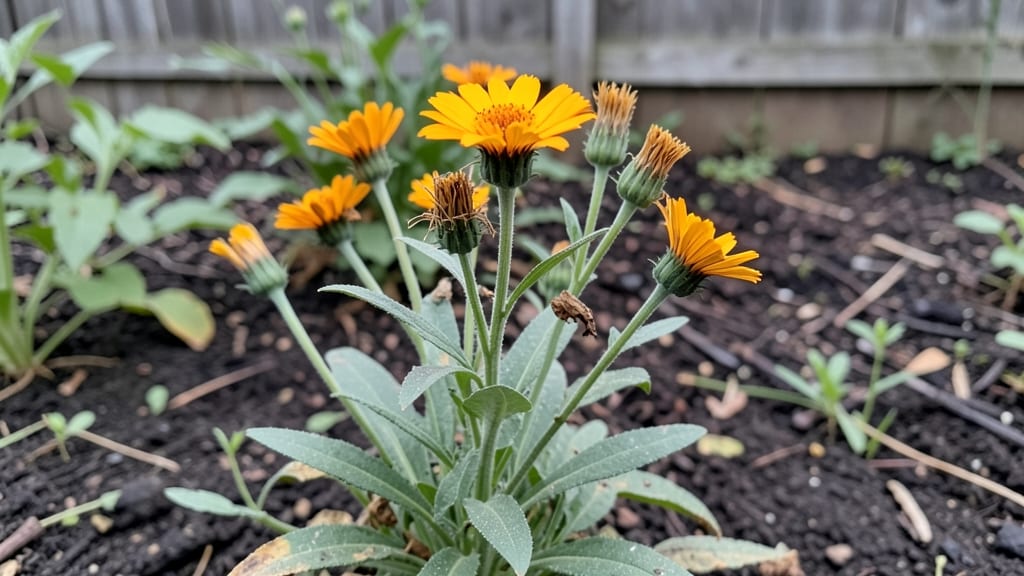
Calendula seed heads form when blooms fade and turn brown, signaling readiness for harvest. Gently twist or snip stems just above the seed head, then dry them upside-down in a well-ventilated area for 1-2 weeks before storing in paper envelopes to preserve viability for next year’s garden.
Harvesting calendula seed heads at the right time ensures strong germination rates for next season.
The transition from vibrant petals to dry, papery seed pods marks the perfect window—wait too long, and the seeds may scatter naturally. 🌿 I’ve found that morning harvests work best, as evening dew can introduce unwanted moisture during drying.
Once collected, proper airflow is key: bundle stems in small groups and hang them in a dark, airy space to prevent mold while letting seeds fully mature.
These seed heads aren’t just for replanting—they’re packed with medicinal properties too. The dried flowers can be crushed into calendula-infused oil or used in homemade salves for their anti-inflammatory benefits.
Just be sure to label your storage containers with the harvest year to track freshness, as seeds typically remain viable for 2-3 years when stored correctly.
💡 In This Article
- When and How to Identify Mature Calendula Seed Heads
- Best Storage Methods to Maintain Calendula Seed Viability
When and how to identify mature calendula seed heads
The transformation from vibrant calendula blossoms to mature seed heads begins when the petals start wilting and curling inward. This process is triggered by the plant's natural reproductive cycle, where energy shifts from flower production to seed development.
The seed heads you're looking for will appear as dry, papery structures that resemble tiny, brownish-green dandelion puffs—typically 1-2 inches in diameter. The key visual cue is the brownish hue replacing the original orange-yellow petals, signaling the chlorophyll-rich seed pods have fully formed inside.
Texture plays a crucial role in identification. Mature seed heads should feel light and brittle when gently squeezed between fingers, almost like crisp autumn leaves.
This dryness indicates the seeds inside have reached optimal moisture levels (5-8% humidity) for storage. 🌿 What most gardeners miss is that the seed heads must remain attached to the plant until they're fully dry—detaching too early can cause premature seed drop.
The ideal harvest window is when 50-70% of the seed pods have turned brown, as this balances maximum yield with seed viability.
Seasonal timing affects both yield and quality. In temperate climates, calendula typically produces seed heads from late summer to early fall (August through October), when daylight hours shorten and temperatures begin to drop.
The cooler weather slows seed dispersal, giving you a 2-3 week window to harvest before natural seed scattering begins. If you're in a warmer climate, watch for the first frost as a signal—calendula is frost-sensitive, and cold temperatures can accelerate seed maturation.
Distinguishing viable seed heads from spent blooms requires close inspection. Healthy seed heads will have intact, unbroken pods with no visible mold or soft spots.
Spent blooms, on the other hand, will appear shriveled, hollow, or may have already released seeds (you'll see empty pods or seeds scattered on the ground). A quick test is to gently shake the seed head over a dark surface—if seeds rain down easily, it's ready for harvest.
For maximum germination, aim to collect seed heads when at least 80% of the pods have turned brown but before they begin opening naturally.
The botanical mechanism behind this process involves ethylene gas production. As calendula flowers age, they release ethylene, which triggers senescence (the aging process) in the petals while stimulating seed development. This gas also causes the seed pods to dry out and harden, preparing them for dispersal.
The timing of this process varies slightly by variety—some calendula types mature their seed heads 3-4 weeks faster than others, so monitoring multiple plants in your garden helps ensure you don't miss the optimal harvest window.
One advanced technique I've used is the "buddy system" for seed head monitoring. Plant a small group of calendula together and mark the first seed head to mature with a colored tag.
This gives you a visual reference point for the rest of your plants, ensuring consistent timing across your entire harvest. This method works particularly well for gardeners with large plantings or those growing multiple calendula varieties simultaneously.
Remember that calendula seed heads contain hundreds of tiny seeds—typically 500-1,000 seeds per head—so even a small harvest can provide ample planting material for next season.
The key is patience: rushing the harvest process reduces both seed quantity and quality, while proper timing ensures you'll have healthy plants ready to bloom again in spring. 💫