
Pests
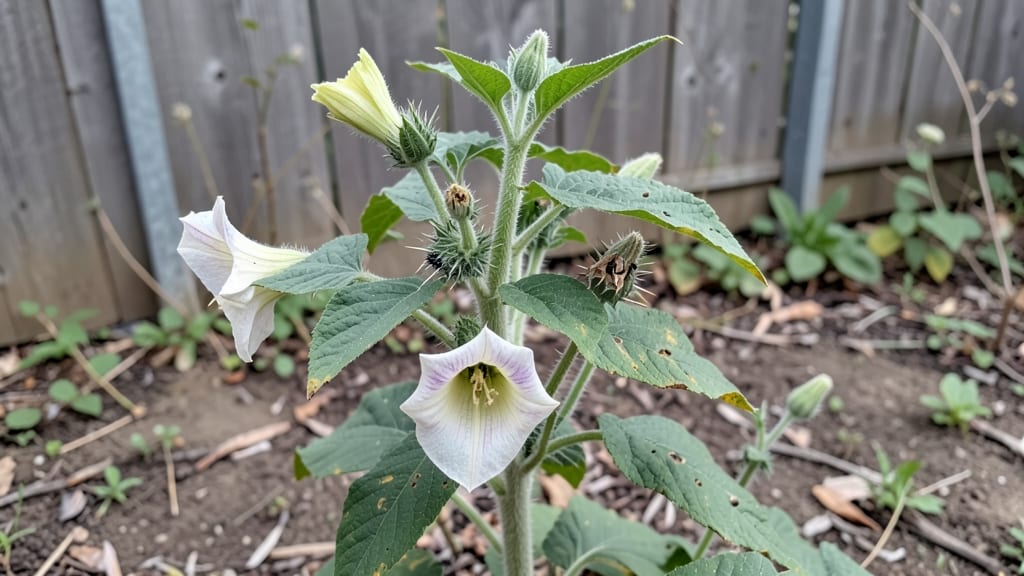
The effects of datura seeds include extreme toxicity that can cause hallucinations, respiratory failure, and death when consumed. Even tiny amounts may lead to delirium, seizures, or coma within hours, as these seeds contain potent tropane alkaloids like atropine and scopolamine.
These seeds are infamous for their dangerous compounds, which disrupt your nervous system by blocking acetylcholine—a key neurotransmitter. 🔥 The result? Symptoms like rapid heartbeat, fever, and extreme confusion that can escalate quickly.
Unlike some toxins, datura's effects don't have a "safe" threshold, making accidental ingestion especially risky. I've seen cases where people mistook them for edible seeds, leading to life-threatening situations.
What makes this even more concerning is how unpredictable the reaction can be. Some individuals experience severe reactions to minuscule doses, while others may show delayed symptoms. Always assume zero tolerance when handling datura plants—even touching them can transfer enough residue to cause problems if ingested accidentally.
💡 In This Article
- How Datura Toxins Overwhelm the Nervous System
- Emergency Response to Datura Poisoning: What to Do
How datura toxins overwhelm the nervous system
The biochemical chaos begins when tropane alkaloids—primarily atropine, scopolamine, and hyoscyamine—bind to acetylcholine receptors in your nervous system. These compounds act as anticholinergics, blocking the neurotransmitter acetylcholine from signaling properly.
Normally, acetylcholine regulates muscle contractions, heart rate, and cognitive functions. When blocked, your autonomic nervous system goes into overdrive, causing symptoms like rapid heartbeat (tachycardia) and dilated pupils.
Here's where it gets dangerous: these alkaloids cross the blood-brain barrier within 30-60 minutes of ingestion, disrupting sensory processing. Scopolamine, for example, binds 5-10 times more strongly to receptors than atropine, leading to hallucinations that can feel indistinguishable from reality.
The brain's thalamus—which filters sensory input—becomes overwhelmed, creating a sensory overload that manifests as vivid, often terrifying visions. 💫
Acute exposure (ingesting even 1-2 seeds) triggers a cascade of autonomic dysfunctions. Your body loses control over involuntary functions: sweat glands shut down (causing fever up to 104°F), saliva production halts (leading to dry mouth), and muscles may seize or become paralyzed.
Unlike chronic exposure—where symptoms might develop over days—acute poisoning hits within 2-6 hours, with peak effects at 6-12 hours.
What most people don't realize is how these toxins amplify each other. Atropine and scopolamine work synergistically: atropine dominates the peripheral nervous system (heart, lungs), while scopolamine targets the central nervous system (brain, memory).
This dual attack explains why victims often experience both physical collapse and psychological breakdowns simultaneously. Even sub-lethal doses can leave lasting damage to memory and cognitive function.
Consider this comparison: a lethal dose of pure atropine for an adult is roughly 10-20 milligrams. A single datura seed contains about 0.2-0.5 milligrams of atropine—but the scopolamine content can push the total alkaloid load to 1-3 milligrams per seed.
This means just 3-5 seeds could be fatal, with symptoms escalating unpredictably based on metabolism and body weight. The margin for error is razor-thin.