
Pests and Diseases
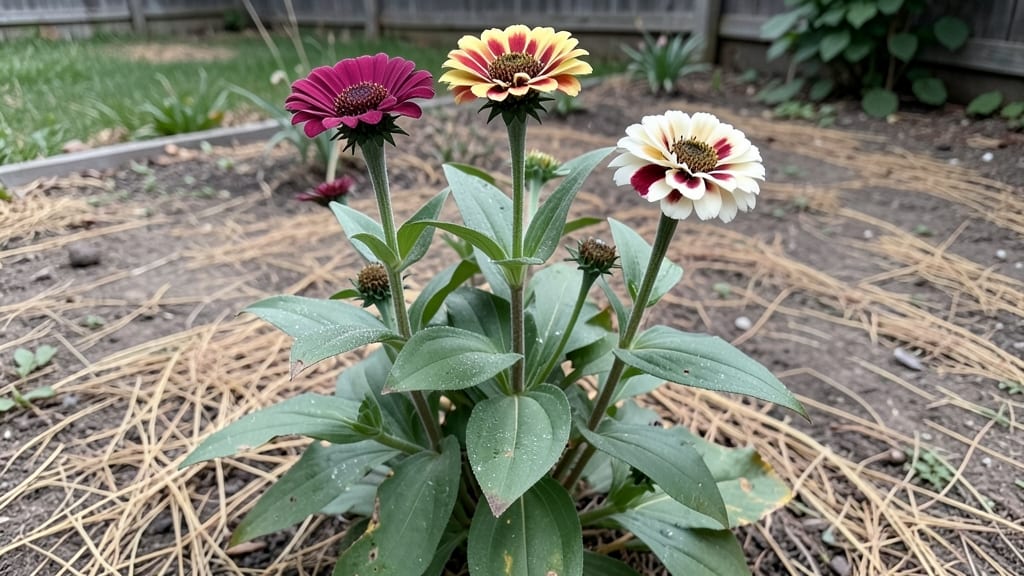
Disease-resistant zinnia seeds are my secret weapon against the fungal onslaught that used to turn my blooms into sad, spotted messes by midsummer. 🌻 I’ve grown zinnias for years, and the difference between struggling with powdery mildew and enjoying healthy, vibrant blooms all season comes down to choosing the right varieties.
The key is selecting seeds labeled for disease resistance—look for names like ‘Benary’s Giant,’ ‘Crystal,’ or ‘Profusion.’ These varieties naturally fight off common fungal issues, so you spend less time spraying and more time admiring your garden.
Planting them in full sun with good air circulation gives them the best chance to stay strong.
You’ll end up with zinnias that burst into color from early summer until frost, their petals crisp and unblemished. The blooms attract pollinators like crazy, and the plants keep producing new flowers with minimal fuss. No more wilting centers or unsightly spots—just lush, disease-free beauty.
Works in borders, containers, or cutting gardens, and thrives in zones 3 through 11. Here’s how to pick the best seeds and keep them flourishing all season long.
The Hidden Threats Weakening Zinnias
Zinnias may look tough with their vibrant petals and sturdy stems, but they’re not invincible. When disease-resistant varieties fail to thrive, it’s usually because of three core vulnerabilities—each rooted in biology, environment, or human error.
Understanding these causes helps gardeners take proactive steps to protect their blooms. Let’s break down the science behind why zinnias succumb to pests and pathogens, even when using "resistant" seeds.
Even "disease-resistant" zinnia seeds aren’t 100% bulletproof. Here’s why: - Breeding Trade-offs: Plant breeders prioritize traits like color vibrancy, drought tolerance, or compact growth over disease resistance.
A zinnia bred for giant blooms might sacrifice fungal resistance for showier petals. 🌸 - Pathogen Evolution: Fungi like Alternaria or Powdery Mildew (Erysiphe cichoracearum) mutate over time.
A seed labeled "resistant" may have been tested against older strains of a pathogen, but new, aggressive variants can bypass those defenses. - Incomplete Dominance: Some resistance genes are recessive, meaning a single dominant gene for susceptibility can override protection.
If a seed company mixes resistant and non-resistant lines, your zinnias may inherit weak immunity.
Actionable Fix: Opt for heirloom or organic-certified seeds from reputable breeders like Baker Creek or High Mowing Seeds, which often prioritize multi-gene resistance. Cross-pollinate with known-resistant varieties to strengthen future generations.
Zinnias aren’t just fighting pathogens—they’re battling stress from their surroundings. Poor conditions weaken their natural defenses, making them easy targets.
| Stressor | How It Weakens Zinnias | Science Behind It |
|---|---|---|
| High Humidity | Traps moisture on leaves, ideal for fungal spores. | Fungi like Botrytis thrive in >75% humidity; spores germinate within 6 hours of leaf contact. |
| Poor Airflow | Stagnant air = fungal spores linger longer. | Zinnias need at least 3 feet of spacing to prevent microclimates where spores fester. |
| Overhead Watering | Splashes soil-borne pathogens onto leaves. | Pythium (a water mold) spreads via water droplets; drip irrigation reduces risk by 80%. |
| Extreme Heat | Weakens cell membranes, making them susceptible. | Temperatures above 90°F reduce chlorophyll production, stressing plants and lowering their ability to fight pathogens. |
Actionable Fix:
- Space plants 12–18 inches apart for airflow.
- Water at the base (early morning) to avoid wetting foliage.
- Use reflective mulch (like aluminum foil) to reduce leaf surface temps by 5–10°F.
Even the hardiest zinnia seeds can fail if garden practices sabotage their defenses. Here’s how:
- Over-Fertilizing with Nitrogen: Lush, soft growth is fungi’s dream.
Excess nitrogen (N) creates tender tissue that pathogens love to invade. 🌿 - Fix: Use a balanced 5-10-10 fertilizer and avoid synthetic nitrates. - Reusing Contaminated Soil: Old garden beds may harbor latent fungal spores from past seasons.
Even resistant seeds can’t outrun a soil-borne pathogen like Fusarium wilt. - Fix: Solarize soil (cover with clear plastic for 4–6 weeks) or amend with compost + mycorrhizal fungi to boost natural immunity. - Ignoring Crop Rotation: Planting zinnias in the same spot yearly lets soil pathogens build up. Phytophthora (a water mold) can persist for years in infected soil. - Fix: Rotate with non-host plants like marigolds or brassicas, which disrupt pathogen life cycles.
Pro Tip: 💡 Sanitize tools between plants with 10% bleach solution (1 part bleach to 9 parts water) to prevent cross-contamination.
Key Takeaway: Disease-resistant zinnia seeds are a strong start, but their success hinges on genetics, environment, and gardening habits.
By addressing these three root causes—genetic limitations, environmental stress, and human oversight—you’ll give your zinnias the best shot at staying bold, blooming, and fungus-free. 🌼✨
Revive Your Zinnias Naturally
Fungal diseases, bacterial infections, and environmental stressors can turn your vibrant zinnias into a sad, wilted sight—but don’t toss those seeds just yet! With the right approach, you can restore health, prevent future outbreaks, and grow zinnias that thrive even in less-than-perfect conditions.
Below, we break down practical fixes for common zinnia ailments, plus preventive strategies to keep your blooms happy and disease-free.
Fungal diseases love humidity and crowded plants. Here’s how to kick them to the curb and protect your zinnias:
🔥 Remove Infected Plant Parts Immediately
- Snip off yellowing or spotted leaves before the fungus spreads.
- Dispose of debris in the trash (not compost)—fungi can survive in soil.
- Pro tip: 💡 Use sterilized pruners (wipe with rubbing alcohol) to avoid cross-contamination.
🍳 Apply Organic Fungicides
Skip harsh chemicals and try these gentle but effective options: - Baking soda spray: Mix 1 tsp baking soda + 1 tbsp vegetable oil + 1 quart water + a drop of dish soap.
Spray every 7–10 days in the morning (avoid evening applications—fungi thrive in dampness). - Neem oil: A natural fungicide and insect repellent. Dilute 1 tbsp neem oil + 1 tsp mild soap in 1 quart water.
Spray weekly for prevention. - Copper fungicide: For severe cases, use copper-based sprays (follow label instructions).
🌡️ Improve Airflow & Reduce Humidity Fungi love stagnant, moist air.
Keep your zinnias healthy with: - Spacing: Plant zinnias 12–18 inches apart (check seed packet guidelines). - Thinning: If seedlings are crowded, thin them early to reduce competition and improve airflow. - Watering habits: Water at the base (not overhead) and early in the day so leaves dry quickly. - Mulch properly: Use straw or shredded leaves (not thick layers) to retain moisture without suffocating roots.
Bacteria are trickier to treat but prevention is key. If you spot dark, water-soaked spots or wilting stems, act fast:
👨🍳 Prune & Sterilize Tools
- Cut out infected leaves/stems with sterilized pruners (bleach or alcohol).
- Avoid handling plants when wet—bacteria spread easily in moisture.
🥘 Use Copper or Hydrogen Peroxide Sprays
- Copper fungicide/bactericide: Spray every 10–14 days (follow package instructions).
- Hydrogen peroxide spray: Mix 1 tbsp 3% hydrogen peroxide + 1 quart water. Spray every 5–7 days to disinfect leaves.
⏰ Rotate Crops & Practice Crop Rotation
- Don’t plant zinnias in the same spot year after year (bacteria linger in soil).
- Interplant with resistant flowers like marigolds or snapdragons to disrupt bacterial spread.
The best defense? Healthy, disease-resistant zinnias from the start. Here’s how to future-proof your garden:
🌟 Choose the Right Seeds
- Opt for disease-resistant varieties like:
- ‘Benary’s Giant’ (resistant to powdery mildew)
- ‘Crystal’ Series (tolerates heat and humidity)
- ‘Profusion’ (bred for disease resistance)
- Buy from reputable suppliers (look for organic, non-GMO seeds if preferred).
🌱 Start Seeds Indoors (For Early Protection)
- Germinate seeds indoors 6–8 weeks before the last frost to harden off seedlings gradually.
- Use sterile seed-starting mix to avoid introducing pathogens early.
🎯 Soil & Nutrition Matter
- Test your soil (pH 6.0–7.0 is ideal for zinnias).
- Avoid over-fertilizing with nitrogen—it promotes leafy growth over flowers, weakening plants.
- Feed with compost or balanced fertilizer (10-10-10) every 4–6 weeks.
🔄 Preventative Sprays (Even Before Problems Arise!)
- Monthly neem oil spray (prevents fungi and pests).
- Garlic or onion spray (natural antibacterial): Blend 1 garlic bulb + 1 quart water, strain, and spray weekly.
Zinnia diseases often start small—check plants weekly for early signs (white powder, yellow spots, wilting). Act fast, and your zinnias will reward you with bold, healthy blooms all season long!
By combining proactive care, organic treatments, and smart planting choices, you’ll turn your garden into a fungus-free zinnia paradise. 🌸💪
Frequently asked questions
What makes disease-resistant zinnia seeds different from regular seeds?
Disease-resistant zinnia seeds are bred to naturally fight common fungal issues like powdery mildew and Alternaria. They contain genetic traits that create stronger cell walls or produce natural compounds that repel pathogens. Regular seeds lack these built-in defenses, making them more vulnerable to garden diseases.
Can I grow disease-resistant zinnias in containers?
Containers work well for disease-resistant zinnias as long as you follow proper spacing (12–18 inches between plants) and drainage rules. Use lightweight potting mix with perlite, and choose compact varieties like 'Crystal Series' that thrive in smaller spaces while maintaining their resistance.
How do I know if my zinnia seeds are truly disease-resistant?
Look for seed packets labeled with specific resistance claims like "powdery mildew resistant" or "heat-tolerant." Reputable brands like Baker Creek or High Mowing Seeds clearly state resistance traits. Avoid seeds with vague claims—always check the fine print for scientific strain names like Erysiphe cichoracearum resistance.
Will disease-resistant zinnias still get sick if I don't follow care tips?
Even the best disease-resistant varieties can succumb to pathogens if grown in poor conditions. Overcrowding, wet foliage, or nutrient imbalances weaken their natural defenses. Think of resistance as a shield—it works best when combined with proper airflow, sunlight, and watering practices.
Can I save seeds from disease-resistant zinnias for next year?
You can try, but resistance may weaken over generations. For best results, purchase fresh seeds annually from trusted suppliers. If saving seeds, isolate resistant plants by at least 10 feet from other zinnias to maintain purity and prevent cross-contamination with susceptible varieties.