
Vegetables
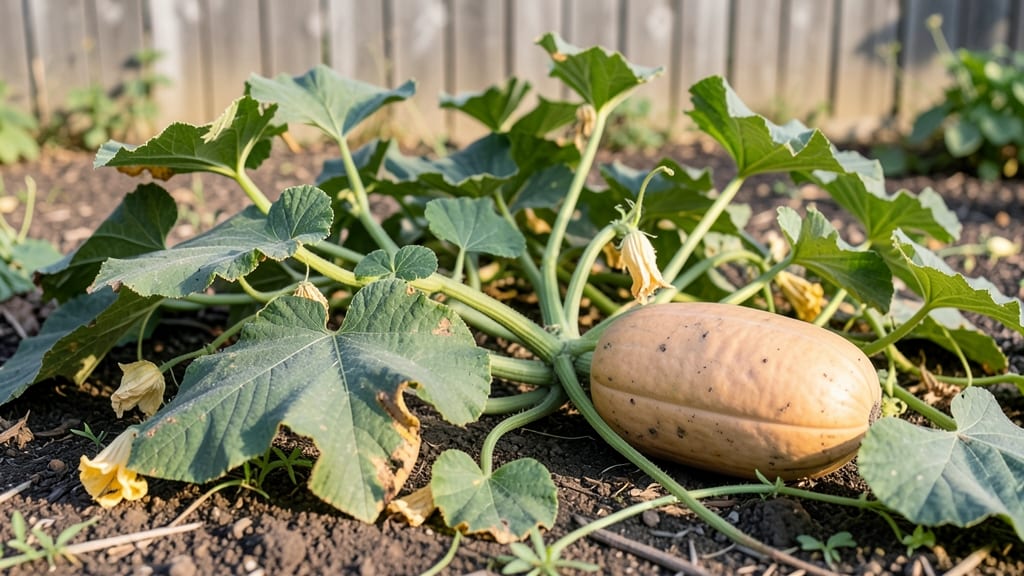
These tiny seeds develop after pollination, nestled in the squash's hollow core. 🌱 Unlike pumpkin seeds, they lack the crunchy shell, making them less ideal for snacking raw.
Many chefs remove them during prep to avoid texture issues in soups or roasted dishes, though they can be roasted like pumpkin seeds if you're feeling adventurous.
Fun fact: The seed clusters are actually the squash's reproductive future—each seed contains the potential to grow a new plant! If you're growing your own squash, saving seeds from organic varieties is simple: just dry them thoroughly and store in a cool place.
Just don't expect them to taste like pumpkin seeds—they're more subtle in flavor and texture.
💡 In This Article
- Butternut Squash Seed Structure and Growth Process
- Preparing Butternut Squash: Seed Removal Tips and Uses
Butternut squash seed structure and growth process
Here's what's actually happening inside a butternut squash when those tiny seeds form: after pollination, the fertilized ovary begins developing into the fruit while the ovules transform into seeds. In butternut squash, these seeds grow in dense clusters near the cavity's center, typically numbering between 100-300 seeds per squash.
The key difference from pumpkins or gourds is their size—individual butternut seeds measure just 0.2-0.4 inches long, about half the size of pumpkin seeds.
The soft texture comes from their high moisture content (around 70% water by weight) and thin seed coats that lack the hard shell of other winter squash varieties.
This makes them more prone to breaking down during cooking. 🌱 What's fascinating is how their placement serves the plant's reproduction strategy—the central location protects them during fruit development while positioning them perfectly for animal dispersal when the squash rots.
When comparing to other winter squash, butternut seeds stand out for their delicate nature. Acorn squash seeds are similarly small but slightly firmer, while pumpkin seeds have that signature crunch from their 30% harder outer shell.
The butternut's seeds are more like the texture of cooked lentils—soft and mealy—which explains why they're rarely used as snacks but sometimes incorporated into bread or muffins for subtle nutty flavor.
This seed development process begins about 3-4 weeks after pollination, when the squash is still small and green. The seeds continue maturing as the fruit grows, with their final arrangement determined by the plant's genetic programming.
What most people don't realize is that each seed actually contains three distinct parts: the embryo (future plant), endosperm (nutrient store), and seed coat—all packed into that tiny 0.1-inch package.
The seed clusters form a distinctive pattern in the cavity—often resembling a small, irregular star shape when viewed from above. This arrangement isn't random; it's an evolutionary adaptation that maximizes seed density while allowing space for the fruit's development.
The central location also creates a natural air pocket that helps protect the seeds from moisture damage during the squash's maturation.
From a botanical perspective, these seeds represent the squash's reproductive investment. Each one contains all the genetic information needed to grow a new plant, yet they're designed to be easily dispersed when the squash decomposes.
The soft texture actually serves this purpose—animals that might eat the rotting squash would pass the seeds intact through their digestive systems, ready to germinate in new locations.