
Lawn
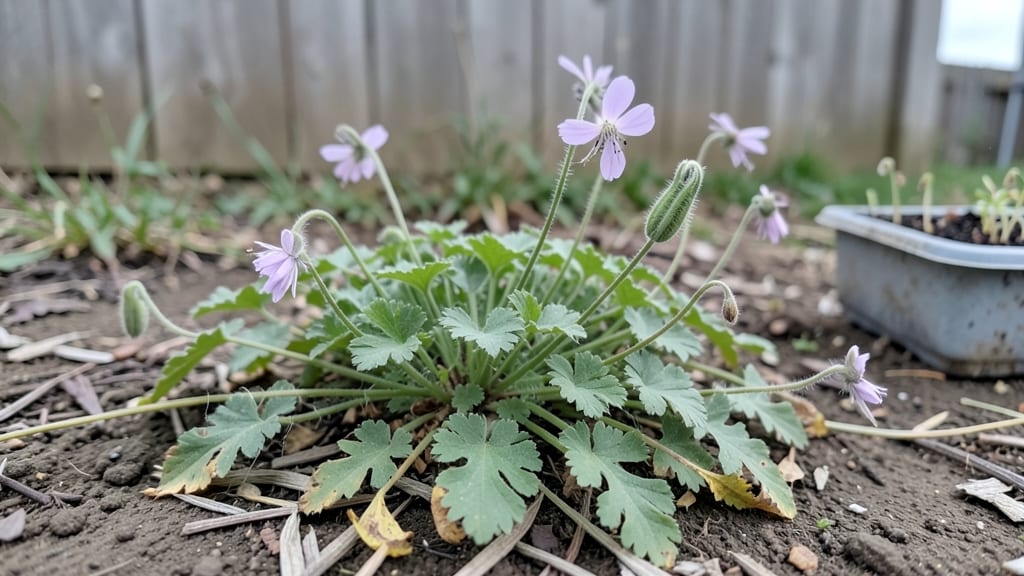
Growing Erodium cicutarium from seed unlocks a wildflower meadow that thrives on neglect and spreads effortlessly. 🌿 I’ve scattered these tiny seeds in my own garden, and within weeks, they transform bare soil into a delicate carpet of pink and purple blooms that hum with pollinators.
The secret? Their hardiness—once established, they handle drought, poor soil, and even foot traffic better than most ground covers.
You’ll need just three things to get started: a sunny spot (they adore full sun), well-draining soil (they hate soggy roots), and a light touch with a rake to scratch the seeds into the top ⅛ inch of soil.
No need for fertilizers or fussing—they self-seed like crazy, filling gaps naturally. These seeds germinate in as little as 7–14 days, so you’ll see results fast, even if you’re new to wildflowers.
By summer, you’ll have a meadow that stays lush through heatwaves and requires almost no maintenance. The blooms attract bees and butterflies while controlling erosion—ideal for slopes, borders, or even between patio stones. Just avoid planting in states where it’s considered invasive, like California or Oregon.
Here’s the best part: once it’s established, you’ll barely remember you planted anything. The wildflower magic takes over, and your garden becomes a self-sustaining pollinator paradise. Let’s get those seeds in the ground!
📚 In This Guide
- What you need
- Instructions
- Tips and common mistakes
- Wrapping up and next steps
What you need
- ● Erodium cicutarium seeds – 1–2 lbs (0.5–1 kg), organic or untreated for best results.
- ● Garden soil or seed-starting mix – Lightweight, well-draining blend (e.g., 50% potting soil + 50% perlite/sand).
- ● Garden bed or containers – Well-prepared soil (pH 6.0–7.5) or 6–12" deep pots with drainage holes.
- ● Watering can or hose with a gentle spray nozzle – For consistent moisture without disturbing seeds.
- ● Garden gloves & hand trowel – To handle seeds and soil without contamination.
- ○ Mulch (optional but helpful) – Straw or shredded leaves to retain moisture and suppress weeds.
- ● Seed germination mat or greenhouse tray – Speeds up sprouting in cooler climates.
- ● Organic compost or slow-release fertilizer – Boosts soil fertility (e.g., 10-10-10 NPK ratio).
- ● Label markers – To track planting dates and varieties.
- ● Bird netting – Protects seeds from hungry birds during germination.
Step-by-Step instructions for planting Erodium cicutarium seeds
Here's how to transform your space into a vibrant wildflower meadow using these delicate yet hardy seeds.
🌱 Step 1: Prepare the Soil for Optimal Germination
Erodium cicutarium thrives in well-draining soil with minimal organic matter—this prevents fungal issues common with tiny seeds. Start by removing any existing vegetation or weeds, then loosen the top 2-3 inches of soil with a rake or hoe. The goal is to create a fine, crumbly texture without compacting it further.
If your soil is heavy clay, mix in 1 part sand for every 3 parts soil to improve drainage. These seeds despise soggy conditions, so ensure the area slopes slightly if possible to prevent water pooling. A light raking afterward creates a smooth, even surface for sowing—this prevents seeds from washing away during watering.
💧 Step 2: Sow Seeds at the Perfect Depth and Spacing
Scatter the seeds as evenly as possible, aiming for 10-15 seeds per square foot. Since they're so small, I use a seed spreader or mix them with sand (about 1 cup sand per teaspoon seeds) to distribute them uniformly. Press them into the soil just enough to make contact—no need to bury them.
Gently rake the area again with a fine-toothed rake, covering the seeds with a thin layer of soil no deeper than 1/8 inch. This ensures they have enough light to germinate while staying protected from birds. Avoid watering from above immediately—you'll disturb the seeds. Instead, use a gentle misting or water the surrounding area to keep moisture levels consistent.
☀️ Step 3: Maintain Consistent Moisture Without Overwatering
Keep the soil evenly moist for the first 2-3 weeks—this is critical for germination. Water early in the day so the surface dries slightly before evening, reducing fungal risks. You'll know moisture is right when the soil feels damp 1 inch below the surface but not soggy.
Once seedlings appear (usually in 14-21 days), reduce watering to once a week unless your area experiences extreme heat. These plants are drought-tolerant once established, but young seedlings need steady moisture to develop strong roots. Avoid overhead watering after germination—direct water can damage delicate foliage and spread disease.
✂️ Step 4: Thin and Encourage Natural Meadow Growth
When seedlings reach 1-2 inches tall (about 4-6 weeks after sowing), thin them to 6-8 inches apart to allow proper air circulation and prevent overcrowding. Use small scissors or your fingers to remove excess plants at soil level—never pull them, which disturbs roots.
Let the remaining plants grow naturally without interference. Erodium cicutarium spreads via self-seeding, so you'll see new blooms appear each season with minimal effort. Once established, these wildflowers require almost no maintenance—just occasional watering during prolonged dry spells and light raking to remove spent blooms if you prefer a tidier look.
Tips & tricks for perfect wildflower meadow planting
Creating a thriving meadow from tiny Erodium cicutarium seeds takes patience and precision—here's how to maximize your success from the first step.
The Soil Factor: Don't overlook soil preparation in Step 1. These seeds need perfect drainage to avoid fungal issues, so if your area floods after rain, consider creating raised beds or planting on slopes. I've seen entire sowings fail when planted in heavy clay without proper sand amendment—trust me, the 1:3 sand-to-soil ratio makes all the difference for long-term success.
Seed Distribution Secret: In Step 2, the sand mixing trick is your best friend for even coverage. I use a simple ratio of 1 cup sand per teaspoon seeds, then spread it like I'm dusting powdered sugar on a cake—lightly and evenly. This prevents clumping and ensures every square foot gets its 10-15 seeds without wasting precious seeds in dense patches.
Moisture Management: The 2-3 week moisture window in Step 3 is non-negotiable for germination. I set a morning reminder to water because inconsistent moisture is the #1 reason these seeds fail to sprout. Use a moisture meter or your finger to check—soil should stay damp 1 inch down but never soggy. A gentle misting system or soaker hose makes this effortless.
Thinning Strategy: When thinning in Step 4, I wait until seedlings hit that sweet 1-2 inch mark because earlier thinning risks disturbing tiny roots. Use clean scissors to snip at soil level—this prevents pulling that can uproot nearby plants. The resulting 6-8 inch spacing gives your plants room to thrive while creating that natural meadow look.
Pro Tips for Erodium Cicutarium Seed
- Creating a thriving meadow from tiny Erodium cicutarium seeds takes patience and precision—here's how to maximize your success from the first step.
- The Soil Factor: Don't overlook soil preparation in Step 1.
- Seed Distribution Secret: In Step 2, the sand mixing trick is your best friend for even coverage.
Frequently asked questions
Got questions about Erodium cicutarium seeds?
You’re not alone—this wildflower is packed with potential but can feel tricky to work with. Below, we tackle the most common concerns to help you grow a stunning meadow with confidence!
How do I know if my Erodium cicutarium seeds are viable?
Fresh seeds should feel plump and slightly sticky when damp. If they’re dry, shriveled, or discolored, viability drops. Test a few by placing them in water—viable seeds may swell slightly within 24 hours. For best results, store seeds in a cool, dry place (below 40°F) and use them within 1–2 years.
When is the best time to plant Erodium cicutarium seeds?
Fall (September–October) is ideal for direct sowing—cool temps and moisture encourage germination without competition from weeds. You can also plant in early spring (March–April), but seeds may take longer to sprout. Avoid summer heat, which can dry them out before they establish.
Why aren’t my seeds germinating? Troubleshooting tips?
Try these fixes if germination stalls:
- Light exposure: Erodium seeds need sunlight to germinate—don’t bury them deeper than ¼ inch.
- Moisture: Keep soil consistently damp (not soggy) until sprouts appear (usually 10–30 days). A spray bottle works well.
- Temperature: Ideal germination temps are 50–70°F. A seedling heat mat can help in cold climates.
- Freshness: Old seeds (over 2 years) may need a stratification trick—mix with damp sand and refrigerate for 2 weeks before planting.
Can I mix Erodium cicutarium seeds with other wildflowers?
This seed thrives in wildflower blends, especially with drought-tolerant species like Lavandula (lavender) or Calendula. Aim for a 10–20% ratio of Erodium in your mix—its delicate blooms add texture without overpowering. Just ensure all seeds have similar light and soil needs for even growth.
Is Erodium cicutarium invasive? Should I be concerned?
While Erodium can self-seed prolifically, it’s not considered invasive in most regions (unlike Erodium botrys, its cousin). To control spread, deadhead spent blooms or mow occasionally. It’s perfect for meadows but may need monitoring in small gardens. Always check local regulations if planting in wild areas!
Wrapping up and next steps
Transforming your lawn into a vibrant wildflower meadow with Erodium cicutarium seeds is easier than you think! These tiny but mighty seeds pack a punch, offering low-maintenance beauty, pollinator support, and year-round color—perfect for eco-conscious gardeners.
Whether you’re a beginner or a seasoned green thumb, their resilience and adaptability make them a fantastic choice for adding life and movement to your outdoor space.
Ready to take the next step? Start small—plant a patch, observe its progress, and expand as you gain confidence! Share your blooming meadow with fellow gardeners or explore other native wildflowers to create an even more diverse ecosystem. Your lawn (and the bees!) will thank you. 🌸🐝