
Blooming
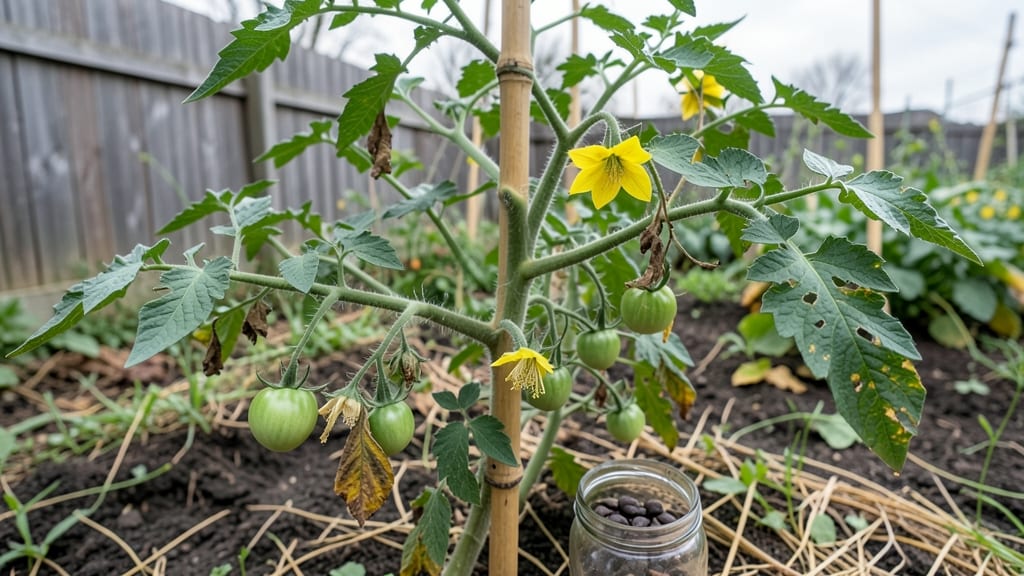
Tomato seeds remain viable for 3 to 5 years when stored properly in a cool, dry environment, though germination rates decline after the first year. Fresh seeds (under 1 year old) often exceed 80% viability, while older seeds may drop below 50%.
Understanding how long tomato seeds stay viable helps gardeners maximize their seed bank without wasting resources.
The key to extending seed life lies in minimizing moisture and temperature swings—think of it like preserving a delicate artifact. 🌱 For example, seeds stored in a sealed container with silica gel packets can last longer than those left in paper envelopes.
I’ve found that testing a small batch before planting helps avoid disappointment, especially when dealing with heirloom varieties where seed quality matters most.
Seasonal timing also plays a role—saving seeds from your best-performing tomatoes in late summer ensures you’re starting with the strongest genetic material. The first year after harvest is when seeds are at their peak, but proper storage can keep them viable for years beyond that critical window.
💡 In This Article
- Factors Affecting Tomato Seed Longevity
- Testing and Storing Tomato Seeds for Maximum Germination
Factors affecting tomato seed longevity
The viability of tomato seeds deteriorates primarily due to four critical factors: moisture exposure, temperature fluctuations, oxygen levels, and seed coat integrity. Moisture is the most destructive—even a 10% increase in humidity can accelerate metabolic activity inside the seed, causing it to "age" faster.
Think of seeds like delicate sponges: when exposed to excess moisture, their internal structures break down, reducing germination rates by up to 30% within just a few months. 🔥
Temperature swings create another major challenge. Seeds stored at 32-41°F (ideal for long-term storage) maintain viability far better than those exposed to room temperature (70-75°F) or heat above 85°F.
The enzyme activity inside seeds doubles for every 18°F increase in temperature, effectively "burning" through their stored energy reserves. For example, seeds stored at 86°F lose 50% viability in just 2 years, while those at 37°F may last 5 years or more.
Oxygen exposure also plays a surprising role. While seeds need oxygen to respire, excessive air circulation accelerates oxidative damage—similar to how metals rust faster when exposed to air. This is why airtight containers with minimal oxygen (like vacuum-sealed bags) preserve seeds better than paper envelopes.
The seed coat itself acts as a natural barrier, but cracks or damage from improper handling can expose the embryo to moisture and oxygen, reducing viability by up to 25%.
Common storage mistakes—like leaving seeds in damp basements or unsealed jars—can turn a 5-year seed bank into a 1-year disappointment. For instance, seeds stored in a kitchen cabinet (where humidity fluctuates between 40-60%) may lose viability 3x faster than those in a climate-controlled seed vault.
The key is replicating the dry, stable conditions of a seed's natural dormancy period. 💫
Even the type of container matters. Glass jars with tight lids create a more stable microclimate than plastic bags, which can degrade over time and allow moisture seepage. Adding silica gel packets (which absorb moisture down to 5% humidity) can extend seed life by 20-30%.
The science here is simple: the less the seed "works" to survive, the longer it lasts.
What most gardeners overlook is how seed coat thickness varies by tomato variety. Heirloom seeds often have thicker coats that resist degradation longer than hybrid seeds, which may lose viability 10-15% faster due to thinner protective layers.
This is why saving seeds from your best-performing plants matters—you're not just preserving genetics, but also the physical resilience of the seed itself. ✨