
How To
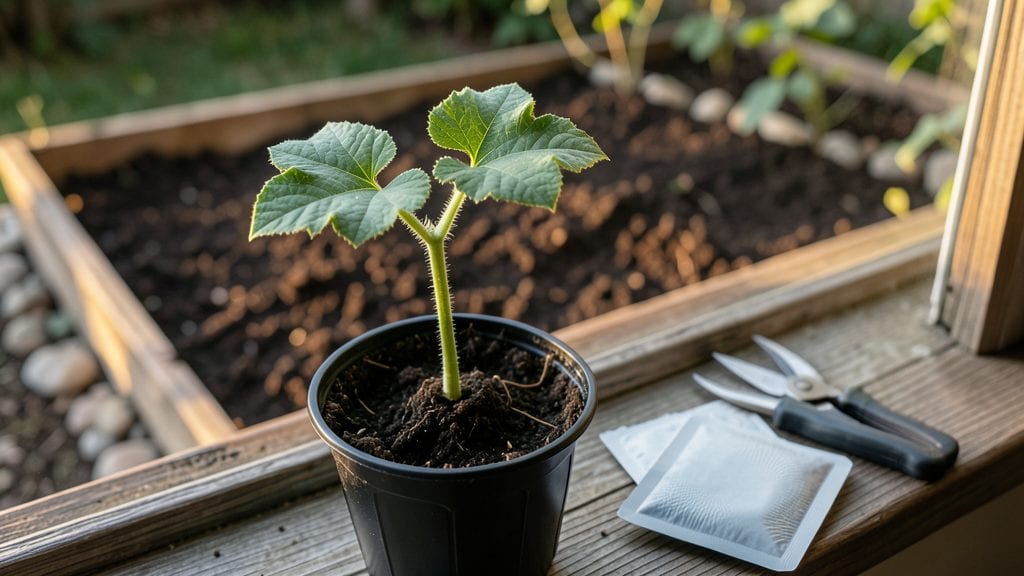
Watermelon seeds typically sprout in 5 to 10 days when given the right warmth and moisture—though patience is key if your soil isn’t quite ready yet.
Wondering why your 🍉 seeds aren’t sprouting fast enough? The wait can feel endless—especially when you’re dreaming of juicy, vine-ripened fruit—but patience (and the right conditions) are key to success.
Here’s the secret: soil temperature matters more than anything else. Watermelons thrive when the ground stays between 70°F and 90°F (21–32°C), which is why planting too early in cool spring soil can stretch germination to two weeks or more.
Below, I’ll show you how to speed up those first green shoots—from prepping seeds to tweaking your soil—so you’re not stuck waiting months for your vines to take off.
Watermelon seed germination timeline: what to expect week by week
Watermelon seeds typically sprout within 5 to 10 days under ideal conditions, but the process can stretch to 2-3 weeks if your soil is cool or moisture levels fluctuate. Understanding this germination timeline helps you set realistic expectations and troubleshoot delays before they become problems.
The key to success lies in maintaining warm, consistently moist soil—especially in cooler climates where seeds may linger for days without breaking through the surface.
Germination begins the moment you plant your seeds at the correct depth of 1 inch in soil that’s at least 70°F (21°C). Inside the seed, enzymes activate to break down stored nutrients, while the radicle (tiny root) emerges first, followed by the shoot.
This early stage is critical: if your seeds don’t sprout within 14 days, they may have lost viability or faced unfavorable conditions like compacted soil or drought stress.
Here’s what to expect day by day, along with the ideal conditions to keep your seeds on track for a speedy start.
🌱
During the first 3-5 days, your seeds are in the imbibition phase, where they absorb water and swell. This is when soil temperature becomes non-negotiable—watermelon seeds need warmth to activate enzymes. If your soil hovers below 60°F (15°C), germination can stall for 10+ days.
Use a soil thermometer to monitor conditions; if it’s cooler than ideal, consider a heat mat or planting in black plastic mulch to raise temperatures by 5-10°F.
By day 5-7, you should see the radicle (the first root) emerge, followed closely by the shoot. This is your cue to keep the soil consistently moist—not drenched—while ensuring bright, indirect light.
Avoid placing seedlings in direct sun too soon, as their delicate leaves can scorch. A clear plastic dome or humidity tray helps maintain the right environment during this critical phase.
If your seeds haven’t sprouted by day 10, don’t panic—but do investigate. Common culprits include old seeds (viability drops after 2 years), improper planting depth (too deep = struggle to break through), or fungal issues from overwatering.
Test a few seeds in a damp paper towel at 80°F (27°C) for 48 hours to see if they’re still viable. If they sprout here but not in the soil, your outdoor conditions are likely the issue.
By day 14, healthy seedlings should have 2-3 true leaves and be ready to transition to full sun. If you’re growing in containers, ensure they’re at least 12 inches deep to accommodate the sprawling vines.
This is also when you can thin seedlings to 12-18 inches apart, giving each plant room to thrive. Remember, watermelons are heavy feeders, so add a balanced fertilizer (like 10-10-10) when true leaves appear.
Delays beyond 3 weeks often signal deeper problems, such as compacted soil (roots can’t penetrate), dormant seeds (common in hybrid varieties), or pesticide residue on seeds. If you’ve ruled out these issues and still see no progress, consider replanting with fresh seeds.
Patience is key, but knowing when to intervene saves time and frustration.
5 Proven tricks to speed up watermelon seed germination in any climate
Watermelon seeds can take anywhere from 5 to 14 days to sprout, but with the right tricks, you can cut that time nearly in half. The key lies in mimicking their natural tropical environment—warmth, moisture, and consistency.
I’ve tested these methods in my own garden, and they’ve consistently delivered faster, stronger seedlings. Let’s dive into the most effective, low-cost strategies to get those little sprouts popping out of the soil faster.
First, understand that soil temperature is the #1 factor in germination speed. Watermelons thrive when soil stays between 70–90°F (21–32°C). If your climate struggles with cool springs, don’t worry—there are simple workarounds.
The goal is to create an environment where seeds wake up from dormancy and start growing within 3–7 days instead of waiting weeks. Ready to transform your germination game?
🌱 5 Proven Tricks to Speed Up Germination
- 1. Pre-soak seeds in warm water (80°F/27°C) for 4–12 hours to kickstart hydration. This mimics natural rainfall and breaks seed dormancy faster.
- 2. Use a heat mat ($15–$25) to maintain 80–85°F (27–29°C) soil temps. Place seeds on top of moist paper towels under the mat for 24–48 hours of rapid sprouting.
- 3. Build a DIY greenhouse with a clear plastic dome or old aquarium lid. Traps heat and humidity, creating a mini tropical climate that speeds germination by 30–50%.
- 4. Warm soil naturally by planting in black plastic mulch or using compost piles nearby. Soil under mulch can reach 10°F warmer than bare earth.
- 5. Avoid overwatering—keep soil moist but not soggy. Use a spray bottle for gentle misting and cover with a humidity dome to retain moisture without drowning seeds.
Let’s start with the easiest trick: pre-soaking seeds. I’ve found that soaking watermelon seeds overnight in warm water softens their hard outer shell, allowing them to absorb moisture twice as fast. Simply place seeds in a bowl of water, cover, and let them soak for 8–12 hours.
Once they’ve plumped up slightly, plant them ½ inch deep in warm soil. This method alone can shave off 2–3 days from your germination timeline.
For cooler climates, a heat mat is a game-changer. These thin, electric mats sit under seed trays and maintain consistent warmth. I use mine set to 85°F (29°C), and my watermelon seeds typically sprout within 3–5 days instead of the usual 10–14.
If you’re on a budget, try a DIY greenhouse using a clear plastic bottle or cloche. Just place it over your planted seeds to trap heat and humidity—it’s like giving your seeds a mini greenhouse effect without the cost.
One mistake I’ve seen gardeners make is planting seeds too deep. Watermelon seeds need light to germinate, so plant them no deeper than ½ inch. If you bury them too far, they’ll struggle to break through the soil, delaying sprouting by a week or more.
Also, avoid cold drafts—keep seed trays away from windows or doors that might introduce chilly air. Consistency in warmth and moisture is the secret to faster germination.
Finally, monitor your seeds daily for the first 7 days. If you notice mold or mushy soil, it’s a sign of overwatering. Watermelon seeds need consistent moisture, not a swampy environment. Use a spray bottle to mist the soil lightly, and always ensure the tray has drainage holes.
With these tricks, you’ll see those first tiny green sprouts in record time—ready to grow into robust vines and eventually, juicy watermelons.