
How To
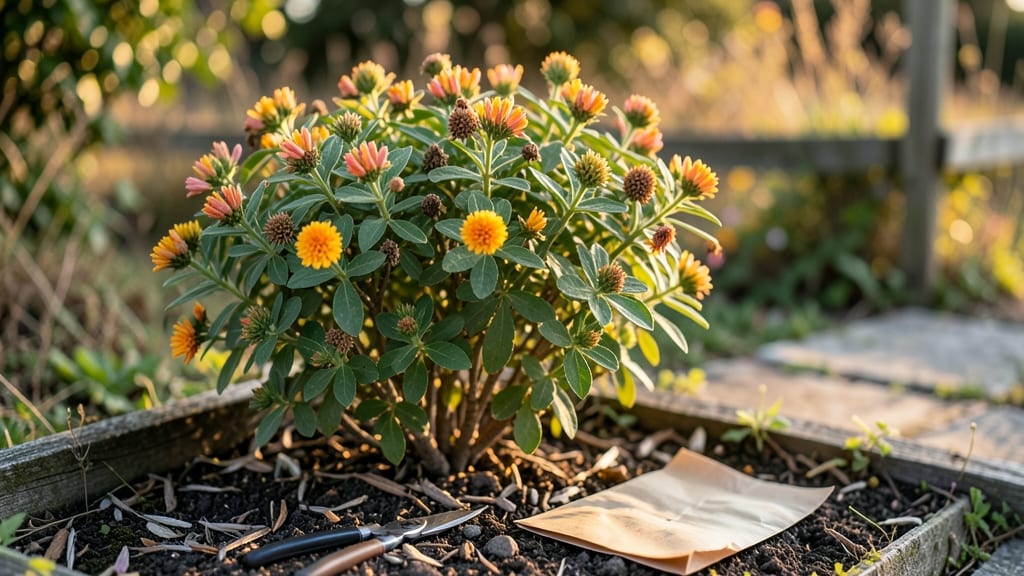
Harvesting lantana seeds 🌸 saves you money and ensures your favorite drought-resistant varieties thrive next spring—if you know the right moment and method.
Lantana flowers may be vibrant and long-lasting, but their seeds hold the key to propagating your garden for years—if you know when and how to collect them properly. Skip these steps, and you risk losing the plant’s hardy, drought-resistant traits or even ending up with invasive varieties.
Timing is everything: wait until late summer or early fall when the flower heads turn brown and crispy—usually September or October in USDA Zone 6a. At this stage, the seeds inside rattle when shaken, signaling they’re ready for collection.
Once you’ve picked the perfect pods, I’ll walk you through drying, storing, and testing your seeds to guarantee strong germination. No more guessing—just reliable, easy-to-follow steps for home gardeners.
Best time to harvest lantana seeds for maximum germination success
Timing is everything when harvesting lantana seeds. Collect them too early, and they won’t germinate—too late, and they’ll scatter across your yard or lose viability.
The ideal harvest window falls in late summer to early fall, typically between September and October, when flower heads transition from vibrant blooms to dry, papery husks. This timing ensures seeds have fully matured while still retaining their germination potential.
Watch for visual cues like brown, crispy flower heads that rattle when shaken—a clear sign seeds are ready. In USDA Zone 6a (like my garden in Virginia), I start checking plants in late September as temperatures drop.
If you live in warmer climates (like Zones 8-11), seeds may mature earlier, sometimes as early as August. Always adjust based on your local frost dates and microclimates.
Regional climate plays a huge role. In cooler northern regions, prioritize harvesting before the first frost, which can kill seed viability. In arid southwestern zones, seeds may dry faster due to intense sun—monitor closely to avoid premature seed drop.
I’ve seen lantana seeds shatter and scatter within 24 hours if left unchecked in hot, dry conditions.
Pro tip: Harvest on dry mornings to prevent mold. Cut entire flower heads (not just individual seeds) with clean pruning shears or scissors. Place them in a paper bag to allow airflow while preventing seeds from escaping. This method mimics how lantana naturally disperses seeds—just under controlled conditions.
Never harvest seeds from green or partially colored flower heads. These seeds are underdeveloped and won’t germinate. I once made this mistake and ended up with a 0% germination rate—a costly lesson!
Always wait until the entire flower head turns brown and seeds rattle inside. This ensures maximum seed viability for next year’s garden.
Climate also affects seed maturation speed. In humid eastern regions, flower heads may take 4-6 weeks to dry post-bloom, while in dry western climates, they can dry in just 2-3 weeks.
Pay attention to your lantana’s localized growth patterns—some varieties mature faster than others. For example, Lantana camara often dries quicker than Lantana montevidensis.
If you miss the harvest window, don’t despair. Seeds can remain viable in dry storage for up to 2 years, though germination rates drop over time. Store them in a cool, dark place (like a sealed envelope in the fridge) until you’re ready to plant.
I’ve successfully germinated 2-year-old lantana seeds, though younger seeds always perform better.
One common mistake? Harvesting seeds after they’ve already fallen to the ground. While lantana seeds can germinate from soil, they’re more vulnerable to pests, fungi, and weather damage once scattered. Always harvest directly from the plant to maximize seed quality and avoid invasive spread in wild areas.
For best results, harvest seeds in short bursts over a 2-3 week period during peak maturity. This ensures you capture seeds at their optimal dryness without waiting too long. I label each batch by harvest date to track germination rates—some years, early-September seeds outperform October-collected ones.
Finally, consider your gardening goals. If you’re growing lantana for ornamental blooms, prioritize harvesting seeds from healthiest, most vibrant plants. Avoid seeds from diseased or weak specimens, as they may pass on poor traits.
With the right timing, you’ll have a steady supply of high-quality seeds for years to come.
🌸
🌿
Step-by-step guide to extracting and storing lantana seeds
Harvesting lantana seeds at the right time ensures you preserve the plant’s drought-resistant and vibrant traits for future gardens. The key is patience—waiting until the flower heads are fully dried and brown guarantees viable seeds ready for storage.
Rushing the process risks collecting immature seeds that won’t germinate, wasting your efforts and time.
Before you begin, gather your harvesting tools: a pair of clean pruning shears, a paper bag for collecting seeds, and a drying tray lined with parchment paper.
Avoid using plastic bags, as they trap moisture and encourage mold. Work on a dry, sunny day to speed up the drying process naturally.
How to Harvest Lantana Seeds
- Step 1: Identify Mature Flower Heads
Look for dried, brown flower heads that rattle when shaken. These indicate fully mature seeds ready for collection. Avoid green or partially colored heads—they’re not ready.
- Step 2: Cut or Twist Off Heads
Use clean pruning shears to snip the dried flower heads from the stem. Alternatively, twist them gently to detach. Place them immediately in your paper bag to prevent seed loss.
- Step 3: Dry the Seeds
Spread the flower heads on a drying tray with parchment paper in a warm, dry location (like a sunny windowsill). Let them dry for 3-5 days until completely crisp. Avoid direct sunlight to prevent overheating.
- Step 4: Extract the Seeds
Once dry, gently crush the flower heads with your fingers or a rolling pin to release the small, brown seeds. Sift through the debris using a fine-mesh sieve to separate seeds from chaff.
- Step 5: Store Properly
Place the cleaned seeds in a paper envelope or airtight container with a silica gel packet to absorb moisture. Label with the harvest date and store in a cool, dark place (like a pantry) for up to 2 years.
One common mistake is harvesting seeds too early. Green flower heads contain immature seeds that won’t germinate, so always wait until they’re completely brown and brittle. Another pitfall is storing seeds in plastic bags, which traps humidity and reduces viability. Paper or breathable containers keep seeds fresh longer.
If you’re unsure whether your seeds are viable, perform a simple float test: drop a few seeds in water. Viable seeds sink, while non-viable ones float.
This quick check saves time when planning your next planting season. Store seeds in a cool, dry place to maintain their germination potential for years.
Once stored, you can use these seeds to propagate new lantana plants in spring. Simply sow them in well-draining soil and keep them moist but not soggy until germination, which typically takes 10-14 days under ideal conditions. Happy growing!