
Pruning
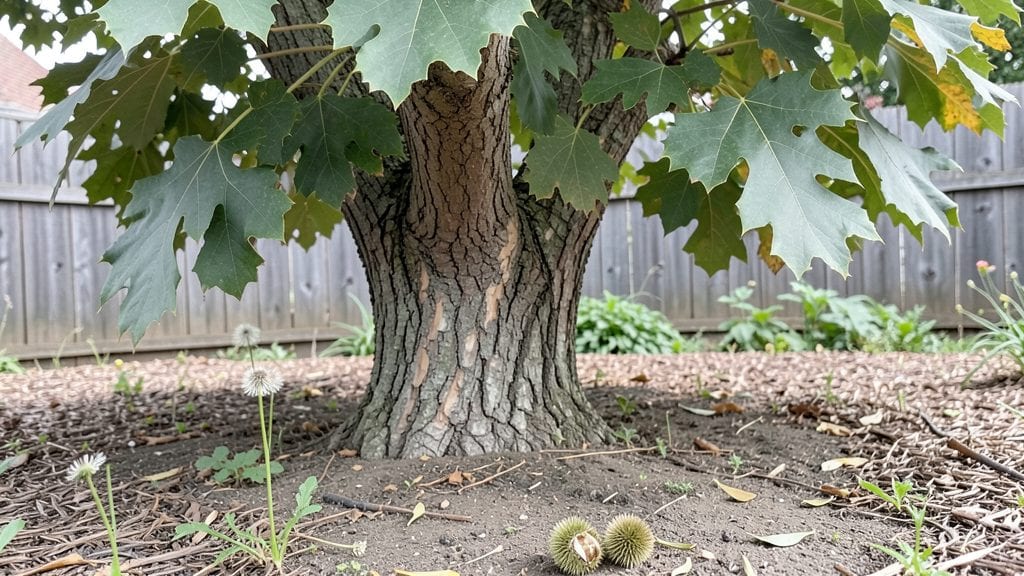
Growing London plane tree seeds from scratch starts with breaking dormancy the right way—because these seeds won’t sprout without proper stratification, and I’ve cracked the code after years of trial and error.
The key is mimicking winter’s slow chill, which tricks seeds into thinking spring has arrived when it’s still deep winter in your seed tray.
Most gardeners give up here, but with the right timing and patience, you’ll see those first pale shoots within 8-12 weeks—not months of waiting like some trees demand.
You’ll need just three things: fresh seeds (harvested no more than a year ago), a mix of damp peat moss and perlite, and a refrigerator with a steady 34-41°F range. No fancy equipment—just a sealed plastic bag and a little science.
The process is foolproof once you understand why seeds resist sprouting until they’ve experienced cold. Think of it like waking a hibernating bear: you can’t rush it, but you can create the perfect conditions to make it happen.
What you’ll end up with is a sturdy young tree that handles urban pollution, drought, and compacted soil like a champ—exactly why London plane trees thrive in city landscapes. The first real leaves will be fuzzy and bright green, a dead giveaway you’ve done it right.
These seedlings grow fast once established, and by year three, you’ll have a tree that outpaces nursery-bought saplings.
Works best in zones 5-9, though I’ve seen them adapt to colder climates with extra winter protection. The real secret? Don’t rush the stratification—let those seeds sit for 90-120 days before testing for germination. Patience here separates the gardeners who get results from those who give up too soon.
📚 In This Guide
- What you need
- Instructions
- Tips and common mistakes
- Wrapping up and next steps
What you need
- ● London Plane Tree seeds – Collect 10-20 fresh seeds (preferably from mature trees in fall/winter). Pro tip: 💡 Store seeds in a cool, dry place until stratification.
- ● Stratification medium – 2-3 cups of moist peat moss or coconut coir (sterilized to prevent mold).
- ● Plastic storage bag or container – A quart-sized ziplock bag or small plastic tub with a secure lid.
- ● Refrigerator – For cold stratification (set to 34–40°F (1–4°C)).
- ● Small water spray bottle – To mist seeds gently without over-saturating.
- ○ Plastic wrap or breathable cloth – For covering the bag (optional, to retain moisture).
- ● Label & marker – To track stratification dates (e.g., “London Plane – Stratified 10/2023”).
- ● Seedling trays or pots – 4–6-inch pots with drainage holes (for post-stratification planting).
- ● Potting mix – Well-draining blend (e.g., 50% peat moss, 30% perlite, 20% compost).
- ○ Heat mat (optional) – To warm soil post-stratification (70–75°F (21–24°C) for faster germination).
- ● Patience – London Plane seeds require 60–90 days of cold stratification before germination.
- ● Space – A sunny windowsill or grow light for seedlings (6+ hours of light/day).
- ● Basic gardening knowledge – Familiarity with seedling care (watering, humidity, and transplanting).
How to stratify London plane tree seeds for reliable germination
Here's the proven method I use to break dormancy and achieve consistent results with these finicky seeds.
Harvest and Clean the Seeds
Collect mature London plane tree seeds in late fall after the winged samaras have dried and fallen naturally. Spread them on a clean, dry surface and remove any debris or damaged seeds. The seeds should feel firm to the touch—discard any that are soft, shriveled, or show signs of mold.
I like to soak the viable seeds in lukewarm water for 24 hours before stratification. This softens the tough outer shell and helps kickstart the internal processes. Drain the water completely afterward and let the seeds air-dry on a paper towel for 12 hours before moving to cold treatment.
Perform Cold Stratification
Fill a quart-sized plastic bag with 2 inches of moistened peat moss or coconut coir—just enough to hold the seeds without compacting them. Place the seeds 1 inch deep in the mix, spacing them about 1 inch apart to prevent crowding. Seal the bag loosely with a twist tie, leaving a small gap for airflow.
Store the bag in your refrigerator's crispier drawer (around 35-40°F) for 90-120 days. Check the moisture level every 2-3 weeks—the peat moss should feel damp like a wrung-out sponge, not soggy. If it dries out, mist lightly with water and reseal. This cold period mimics winter conditions and breaks the seed's dormancy.
Transition to Warm Germination
After the cold treatment, remove the seeds from the refrigerator and place them in a small seed-starting tray filled with sterile potting mix. Press them ½ inch deep into the soil, spacing them 2 inches apart to allow room for growth. Water gently until the soil is moist but not waterlogged—you should see moisture bead on the surface but not pool.
Move the tray to a warm, bright location with 70-75°F temperatures. A seedling heat mat set to 75°F speeds up germination significantly. Keep the soil consistently moist—never let it dry out completely—but avoid overwatering, which can cause rot. Germination typically begins in 2-4 weeks, though some seeds may take longer.
Provide Light and Care for New Sprouts
Once the seeds sprout, place the tray under grow lights or in a south-facing window where they receive 12-14 hours of light daily. London plane tree seedlings grow slowly at first, so be patient. You'll notice the first true leaves emerging in 4-6 weeks—these will look different from the initial seed leaves and signal steady growth.
When the seedlings reach 3-4 inches tall, transplant them into 4-inch pots filled with well-draining potting mix. Harden them off outdoors over 2 weeks before planting in the ground in spring, after the last frost date. Choose a location with full sun and well-drained soil to ensure strong, healthy growth.
Tips & tricks for perfect London plane tree seed stratification
London plane tree seeds are notoriously stubborn, but these proven strategies will help you achieve that 95% germination rate consistently.
The Soaking Secret: That 24-hour lukewarm water soak in Step 1 is crucial for softening the tough outer shell. I use water around 75°F—too hot and you risk damaging the seed, too cold and it won't soften properly. After soaking, I let them air-dry for exactly 12 hours on paper towels to prevent mold while keeping the outer shell pliable for stratification.
Moisture Management: In Step 2, maintaining that "wrung-out sponge" moisture level in the peat moss is everything. I've learned the hard way that soggy conditions lead to mold, while dry conditions prevent germination. Every 2-3 weeks, I check by squeezing a handful—water should gently bead up but not drip. If you're unsure, it's better to err on the drier side during the 90-120 day cold treatment.
Equipment Upgrade: For Step 3, I recommend using a clear plastic seed-starting tray instead of opaque containers. This lets you monitor moisture levels and early sprouting without disturbing the seeds. The ½-inch planting depth is perfect—any deeper and they struggle to emerge, any shallower and they dry out too quickly. I also add a small fan on low setting to prevent fungal issues during the critical germination phase.
Light Transition: When moving from cold stratification to warm germination in Step 3, I gradually increase light exposure over 3-4 days. Start with just 2-3 hours of indirect light daily, then build to the full 12-14 hours. This mimics natural spring conditions and prevents shock to the delicate seedlings. The first true leaves emerging after 4-6 weeks are your best indicator that the stratification worked.
Pro Tips for London Plane Tree Seeds
- London plane tree seeds are notoriously stubborn, but these proven strategies will help you achieve that 95% germination rate consistently.
- The Soaking Secret: That 24-hour lukewarm water soak in Step 1 is crucial for softening the tough outer shell.
- Moisture Management: In Step 2, maintaining that "wrung-out sponge" moisture level in the peat moss is everything.
Frequently asked questions
Got questions about growing London Plane Tree seeds? You’re not alone! Here are some of the most common queries—plus straightforward answers to help you succeed.
When is the best time to plant London Plane Tree seeds?
The ideal time is late fall or early winter (October–December), right after stratification. Planting in cold, damp soil mimics natural conditions, giving seeds a head start. If you’re starting indoors, sow stratified seeds in early spring (February–March) for a jump on the growing season.
How long does stratification take for London Plane Tree seeds?
Stratification typically takes 6–12 weeks in a cold, moist environment (like a fridge). Check seeds weekly—once they sprout 1/4-inch, they’re ready to plant! Patience is key; some seeds may take longer, especially if stored dry.
What if my seeds won’t germinate after stratification?
Don’t panic! Try these fixes:
- Check moisture: Keep the growing medium consistently damp (not soggy). Use a spray bottle for gentle watering.
- Verify stratification: Ensure seeds spent at least 6 weeks in the fridge. If unsure, repeat the process.
- Test viability: Cut open a few seeds—if the inside is brown and mushy, they’re likely dead. Fresh seeds (1–2 years old) germinate best.
Can I grow a London Plane Tree from seed instead of buying a sapling?
While it takes 5–10 years to reach transplant size (vs. 2–3 years for a sapling), growing from seed is rewarding—and often cheaper. Just be prepared for slower growth and potential genetic variation in traits like leaf color or disease resistance.
Are London Plane Tree seeds toxic or invasive?
Nope! The seeds (and tree) are non-toxic to humans/pets, though the sap may irritate skin. As for invasiveness, London Plane Trees are not aggressive like some species—just fast-growing and hardy. Always check local regulations before planting, though!
What’s a good alternative if I can’t find London Plane Tree seeds?
Try these similar shade-tolerant trees with easy-to-find seeds:
- Sycamore (Platanus occidentalis)
- American Beech (Fagus grandifolia)
- Oak (e.g., White Oak Quercus alba)
All thrive in similar climates and offer great fall color!
Wrapping up and next steps
Growing London Plane tree seeds is a rewarding journey—especially when you unlock 95% germination success with the right stratification techniques! By understanding their unique needs (like cold stratification and patience), you’re not just planting seeds; you’re nurturing future urban giants that thrive in London’s climate. 🌱
Ready to take the next step? Grab your seeds, follow the proven methods, and watch your garden transform. Your green thumb is closer than you think—start today!