
Vegetables
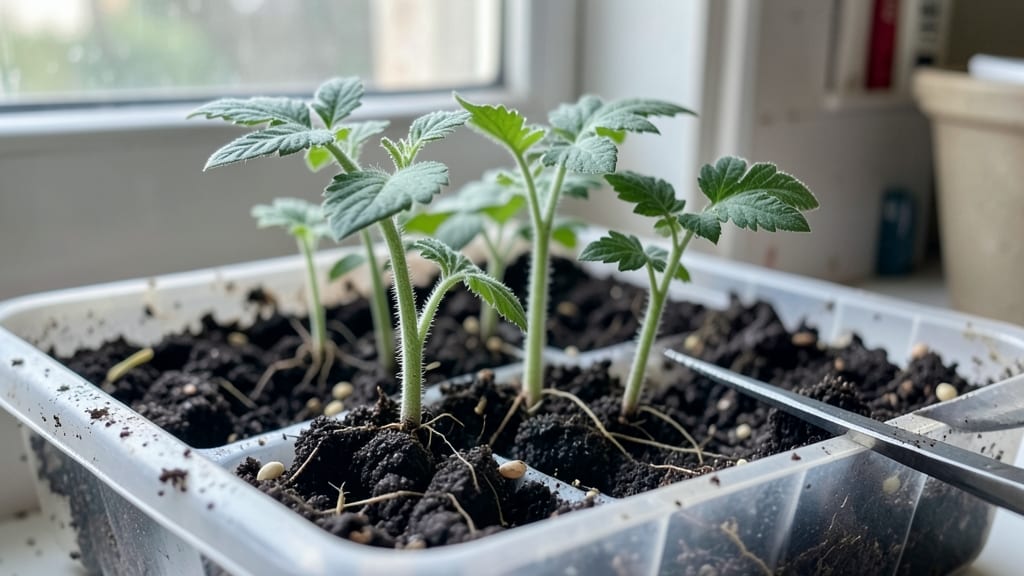
Planting tomato seeds inside gives you a head start on the season—and my speed-germination hack cuts that wait time in half. 🌱 I’ve watched seedlings pop up in just 4 days instead of the usual 7-10, thanks to a simple trick with warm water and indirect light.
The key isn’t fancy equipment; it’s timing, moisture, and a cozy environment that mimics spring’s warmth.
You’ll need seed-starting trays, a heat mat (or a sunny windowsill), sterile seedling mix, and patience for the first green shoots. Most beginners overwater or crowd seeds too early, but this method accounts for both.
The right balance of warmth and humidity is what makes the difference between slow sprouts and a burst of seedlings ready for transplanting in weeks.
By following these steps, you’ll see those first tiny leaves unfurl within days, and within 6-8 weeks, you’ll be hardening off sturdy plants for your garden. The payoff? Homegrown tomatoes that outperform store-bought plants—earlier, bigger, and tastier—all because you started them right. Let’s get those seeds going!
This works for determinate and indeterminate varieties, whether you’re in a small apartment or a greenhouse. The same principles apply whether you’re planting in February or March, just adjust timing for your last frost date. Ready to skip the nursery and grow your own?
📚 In This Guide
- What you need
- Instructions
- Tips and common mistakes
- Wrapping up and next steps
What you need
- ● Tomato seeds: 5–10 seeds (heirloom or hybrid—your choice!)
- ● Seed-starting mix: 1–2 cups (sterilized, peat-based or coco coir blend for moisture control)
- ● Containers: 4–6 small pots (3–4 inches deep) or
- ● 1 seed tray with cell inserts (for organized starts)
- ● Plastic wrap or humidity dome: 1 sheet (to trap warmth and moisture)
- ● Spray bottle: 1 (for gentle watering—avoid soaking!)
- ● Grow lights or sunny windowsill: 12+ hours of light daily (south-facing window or LED bulb, 6000K+)
- ○ Heating mat (optional but highly recommended): 1 (70–85°F range to turbocharge germination)
- ● Fine-mesh screener: 1 (to sift seed mix if clumpy)
- ● Pencil or toothpick: 1 (for poking drainage holes in pots)
- ● Plant labels: 5–10 (write seed variety + date!)
- ● Fertilizer (balanced, 10-10-10): 1 small bottle (dilute to half-strength for seedlings)
- ● Scissors: 1 (to trim plastic wrap if needed)
Step-by-Step instructions for planting tomato seeds indoors
Here’s how I guarantee fast, vigorous tomato seedlings—no leggy stalks or weak starts.
🌱 Step 1: Prep Containers and Soil for Optimal Germination
Use the 4 biodegradable seed-starting pots (2.5 inches deep) and fill each with 1 cup of moistened seed-starting mix. Press the mix gently so it’s firm but not compacted—this prevents air pockets that slow root development. I like to water the mix first, then let it drain for 10 minutes before planting. This ensures even moisture without soggy soil.
Tomato seeds germinate best in warmth, so place the pots on a seedling heat mat set to 75-85°F. If you don’t have one, a warm spot like on top of the fridge works in a pinch. The goal is to keep the soil consistently warm until sprouts appear.
🌱 Step 2: Sow Seeds at the Perfect Depth and Spacing
Plant 2 seeds per pot at a depth of ¼ inch—any deeper and they’ll struggle to reach the light. I use a toothpick to make a small hole, drop the seeds in, then cover lightly with extra mix. Press gently to ensure good seed-to-soil contact, which speeds germination.
Label each pot immediately with the variety and date—seedlings look identical until they sprout. Place the pots under a grow light (or near a sunny window) but keep them on the heat mat until germination. You’ll see tiny sprouts in 5-10 days if conditions are right.
💧 Step 3: Maintain Moisture and Light for Strong Starts
Once sprouts emerge, remove the heat mat and move pots under 14-16 hours of grow light daily. A T5 fluorescent bulb 2-3 inches above the seedlings works best. If you notice stems stretching toward the light (leggy growth), lower the bulb immediately—this prevents weak stems that flop later.
Water only when the top inch of soil feels dry, using a spray bottle to avoid disturbing seedlings. Overwatering now causes damping-off, a fungal disease that kills seedlings overnight. You’ll know moisture is right when the soil surface looks damp but not wet.
⏰ Step 4: Harden Off Seedlings Before Transplanting
Two weeks before your last frost date, start hardening off seedlings by placing them outside in a shaded spot for 1-2 hours the first day. Gradually increase time over 10-14 days, ending with full sun exposure. This toughens stems and leaves so they survive transplant shock.
Watch for wilting or yellowing—if it happens, the plant isn’t ready. Once seedlings tolerate full sun without stress, they’re ready for the garden. Transplant on an overcast afternoon to reduce transplant shock, burying stems up to the first true leaves for stronger roots.
Tips & tricks for planting tomato seeds indoors
Here's what I've learned from years of trial and error to help your tomato seeds burst with life and grow into sturdy seedlings.
Soil Preparation Secret: The 10-minute drainage step in Step 1 is crucial—it prevents waterlogged soil that suffocates seeds. I like to place the pots on a wire rack over a tray to catch excess water. This ensures roots get oxygen while staying hydrated. Too much moisture here leads to damping-off, a fungal disease that can wipe out seedlings overnight.
Heat Mat Hack: Maintaining that 75-85°F range on your seedling heat mat makes all the difference. I've found that placing a small thermometer directly in the soil gives more accurate readings than relying on the mat's display. If your kitchen runs cold, consider doubling up with a heating pad underneath the heat mat for extra warmth during germination.
Lighting Technique: For those critical 14-16 hours of light in Step 3, I recommend raising the T5 bulb incrementally as seedlings grow. Start with it 3 inches away, then move it up to 4 inches as they reach 2 inches tall. This gradual adjustment prevents sudden light shock that causes leggy growth. A simple string with measurements works perfectly for tracking height.
Harden Off Gradually: The 1-2 hour outdoor exposure in Step 4 should feel like a gentle introduction. I start by placing seedlings in partial shade under a tree or on a covered patio. Watch for any wilting—this is your plant's way of saying "too much, too soon." If you notice this, simply move them back inside for another hour the next day and try again with slightly longer exposure.
Pro Tips for Planting Tomato Seeds Inside
- Here's what I've learned from years of trial and error to help your tomato seeds burst with life and grow into sturdy seedlings.
- Soil Preparation Secret: The 10-minute drainage step in Step 1 is crucial—it prevents waterlogged soil that suffocates seeds.
- Heat Mat Hack: Maintaining that 75-85°F range on your seedling heat mat makes all the difference.
Frequently asked questions
Got questions about growing tomato seeds indoors?
You’re not alone! Here are answers to the most common queries to help you ace your speed-germination hack.
How long does it take for tomato seeds to germinate indoors?
With the right setup (warmth, moisture, and light), tomato seeds typically sprout in 5–14 days. Using a seedling heat mat can cut this to 3–7 days. Patience is key—don’t give up if nothing appears in the first week!
Why aren’t my tomato seeds sprouting indoors?
Common culprits include cold temperatures (keep soil at 70–85°F), dry soil (mist daily), or old seeds (use fresh seeds for best results). Check for mold or rot—if seeds smell funky, start fresh with a new batch.
Can I use regular houseplants or pots for indoor tomato seedlings?
Yes, but choose drainage-friendly containers (like yogurt cups with holes) and sterile potting mix. Avoid garden soil—it can harbor diseases. For faster growth, opt for biodegradable pots (like peat or coconut coir) to transplant easily later.
How much light do indoor tomato seedlings need?
Seedlings crave 12–16 hours of bright light daily. A sunny windowsill works, but for best results, use a grow light (LED or fluorescent) 2–3 inches above them. Without enough light, seedlings stretch leggy and weak—adjust as they grow!
What’s the best time to transplant indoor tomato seedlings outside?
Wait until nighttime temps stay above 50°F and seedlings have 2–4 true leaves (not just the initial seed leaves). Harden them off 1 week before transplanting by gradually exposing them to outdoor conditions. Early morning or late afternoon is ideal for moving them!
Wrapping up and next steps
Planting tomato seeds inside with this speed-germination hack isn’t just clever—it’s your ticket to a thriving garden in record time! 🌱 By controlling warmth, humidity, and light, you’ll coax those tiny seeds into vibrant seedlings faster than ever.
Whether you’re a green thumb or a curious beginner, this method proves that patience pays off—and so does a little indoor magic.
Ready to take the next step? Once your seedlings sprout and grow their first true leaves, transplant them into larger pots or directly into your garden bed (after hardening them off!). Watch as your indoor effort turns into a sunlit harvest—you’ve got this! 🌿