
Planting
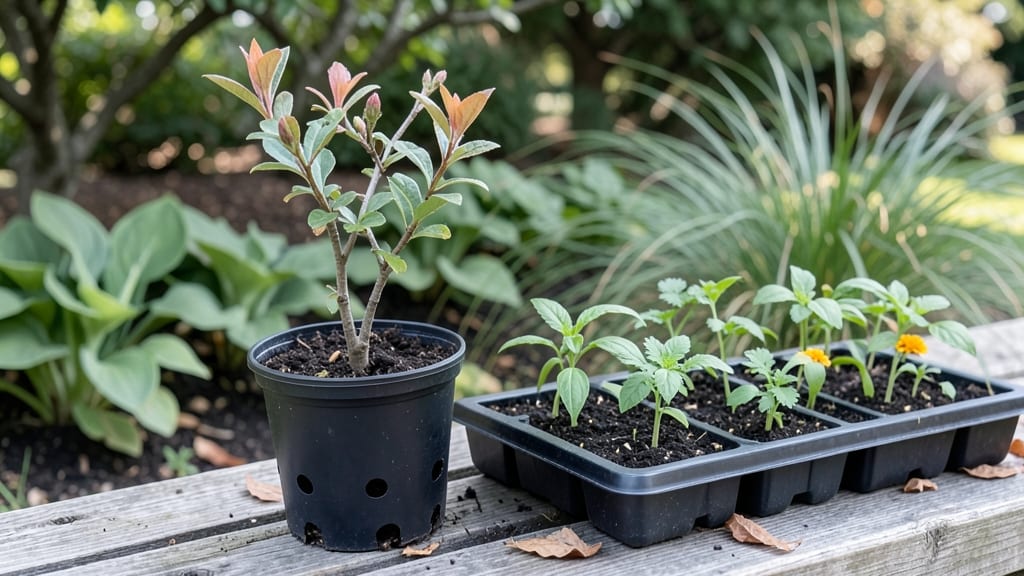
Growing a pomegranate seedling from seed means you’ll soon have a sun-loving tree with jewel-toned fruit in your own backyard. 🌱 I started with a single seed and watched it grow into a sturdy plant—now I’m sharing the exact steps that skip the guesswork.
The key is patience and the right conditions, because these seedlings need warmth, well-draining soil, and consistent care to take root.
You’ll need a sunny spot with at least 6 hours of light daily, a small pot with drainage holes, and a mix of potting soil and perlite to keep roots aerated. Most gardeners overwater seedlings, but pomegranates hate soggy soil—let the top inch dry between waterings.
Within 3 months, you’ll see strong stems and the first signs of true leaves, proving your seedling is thriving.
By summer, your seedling will be ready to transplant outdoors in warmer climates or under grow lights if you’re in a cooler zone. The real magic happens when you see those first blooms—though fruit won’t appear for a few years, the journey starts with a tiny seed.
Here’s how to keep it growing strong from day one.
Fair warning: these seedlings can be finicky about temperature swings, so protect them from frost and sudden heat. But once established, they’re surprisingly hardy and reward you with vibrant foliage and—eventually—those prized ruby-red fruits. Let’s get those seeds sprouting!
📚 In This Guide
- What you need
- Instructions
- Tips and common mistakes
- Wrapping up and next steps
What you need
- ● Pomegranate seeds: 3–5 fresh, plump seeds (harvested from a ripe pomegranate)
- ● Seed-starting mix: 1 small bag (1–2 quarts) of sterile, well-draining potting soil (look for a blend labeled for seed starting or succulents)
- ● Containers: 1–2 small pots (3–4 inches in diameter) with drainage holes
- ○ Optional: Biodegradable peat pots or seed trays for easy transplanting
- ● Watering can or spray bottle: With a fine mist nozzle for gentle hydration
- ● Plastic wrap or clear lid: To create a mini greenhouse effect (e.g., a plastic bag or a propagator lid)
- ● Grow lights or sunny windowsill: A south-facing window or a 12–16" LED grow light for 6+ hours of light daily
- ○ Fertilizer (optional but helpful): A balanced, water-soluble fertilizer (5-5-5 or 10-10-10) diluted to half-strength
- ● OR a slow-release granular fertilizer for seedlings
- ○ Humidity tray (optional): A shallow tray filled with pebbles and water to boost moisture levels
- ● Spray bottle with water: For misting leaves and maintaining humidity
- ● Warmth: Ideal germination temperature: 70–85°F (21–29°C). Use a seedling heat mat if needed.
- ● Patience: Germination can take 2–4 weeks—stay consistent with care!
- ● Space: Ensure your growing area has room for the seedling to mature into a 3–5 ft tree within 3 months.
Step-by-Step instructions for growing a pomegranate from seed
Here's how to coax a stubborn pomegranate seed into a sturdy seedling ready for transplant.
🌱 Step 1: Extract and Prepare the Seeds
Start with fresh pomegranate seeds—save them from a ripe fruit you've eaten. Rinse the seeds thoroughly under cool water to remove any clinging pulp, which can rot. Spread them on a paper towel to dry completely, about 1-2 hours. I like to place them in a single layer on the towel so they don't stick together.
Once dry, store them in a sealed container in the fridge for 2-3 weeks to break dormancy. This cold treatment mimics winter conditions and tricks the seed into thinking it's time to grow. Don't skip this—seeds without cold stratification often take months to sprout, if at all.
💧 Step 2: Start Germination in a Warm, Moist Environment
Fill a small container with 2-3 inches of moistened potting mix (keep it damp but not soggy). Plant 4-5 seeds per pot—pomegranate seeds have a low germination rate, so extra ensures success. Press them just below the soil surface, about ½ inch deep. Label the pot with the date and variety if known.
Cover the pot with plastic wrap or a humidity dome to retain warmth and moisture. Place it in a warm spot, ideally 70-80°F, like on top of the fridge or near a sunny window. Check daily—mist lightly if the soil feels dry to the touch. Germination can take 2-4 weeks, so patience is key. You'll see tiny sprouts pushing through first.
☀️ Step 3: Provide Light and Care for Emerging Seedlings
Once sprouts appear, remove the plastic cover immediately to prevent damping-off. Move the pot to a bright location with 6-8 hours of indirect light daily. Avoid direct sun at first—young seedlings burn easily. I use a grow light on a timer for 12 hours/day if natural light is insufficient.
Water gently from the bottom by placing the pot in ½ inch of water for 10 minutes, then drain. This prevents stem rot while keeping roots moist. Thin seedlings to the strongest 2-3 plants per pot when they reach 2 inches tall, snipping the others at the base with clean scissors.
🪴 Step 4: Transplant and Harden Off for Outdoor Life
After 4-6 weeks, when seedlings have 3-4 sets of leaves, transplant them into individual 4-inch pots with fresh potting mix. Handle roots gently—pomegranates resent disturbance. Bury the stem up to the first set of leaves to encourage strong growth.
Begin hardening off by placing pots outside in a sheltered spot for 1-2 hours/day, gradually increasing time over 10 days. Watch for wilting—if leaves droop, bring seedlings back inside for another day. Once they tolerate full sun without stress, they're ready for their permanent home in well-draining soil.
Tips & tricks for perfect pomegranate seedling growth
Growing pomegranate seedlings from seeds requires patience and attention to detail—but these tricks will help you avoid common pitfalls and give your little plants the best start.
Cold Stratification is Non-Negotiable: That 2-3 week fridge cold treatment in Step 1 is crucial for breaking seed dormancy. I've tried skipping it, and my seeds took nearly 3 months to sprout instead of weeks. Place seeds in a sealed container with a damp paper towel to maintain moisture during stratification—this keeps them from drying out while they're chilling.
Germination Environment Secrets: The 70-80°F warm spot in Step 2 is ideal, but consistency matters more than exact temperature. I use a seedling heat mat set to 75°F for predictable results. If your kitchen runs cooler, place the pot on top of your fridge (not inside) where it stays warm. The plastic cover creates a mini greenhouse effect—just remove it immediately when sprouts appear to prevent damping-off.
Lighting Strategy for Step 3: Those 6-8 hours of indirect light are essential, but direct sun can scorch tender seedlings. I start with a south-facing window and supplement with a 12-hour grow light timer if natural light is insufficient. Rotate the pot daily so all sides get even light exposure—this prevents leggy, weak growth. Watch for pale yellow leaves, which signal insufficient light.
Transplanting with Care: When you're ready to transplant in Step 4, handle those delicate roots like you would a newborn—gently! I use a butter knife to loosen the soil around the edges before lifting, then place the entire root ball into the new pot. Burying the stem up to the first leaves encourages stronger root development. Water thoroughly after transplanting to help settle the soil around the roots.
Pro Tips for Pomegranate Seedling Plant
- Growing pomegranate seedlings from seeds requires patience and attention to detail—but these tricks will help you avoid common pitfalls and give your little plants the best start.
- Cold Stratification is Non-Negotiable: That 2-3 week fridge cold treatment in Step 1 is crucial for breaking seed dormancy.
- Germination Environment Secrets: The 70-80°F warm spot in Step 2 is ideal, but consistency matters more than exact temperature.
Frequently asked questions
Got questions about growing a pomegranate seedling plant? You’re not alone! Here are some of the most common concerns—and their straightforward solutions—to help you nurture your tiny seed into a thriving tree.
How long does it take for a pomegranate seed to sprout?
A pomegranate seed typically sprouts within 2–4 weeks if kept in warm, moist conditions (around 70°F). Patience is key—some seeds may take up to 6 weeks, especially if the soil is too cold or dry. Pro tip: Place a plastic wrap over the pot to retain humidity until sprouts appear!
Can I grow a pomegranate from a grocery store seed?
Yes! Pomegranate seeds from store-bought fruit will germinate, but they may not produce fruit identical to the parent plant. For better results, use seeds from a heirloom or cold-hardy variety (like ‘Wonderful’ or ‘Eversweet’). If you’re just experimenting, grocery seeds are a fun, low-cost way to start!
What’s the best temperature for pomegranate seedlings?
Pomegranate seedlings thrive in warmth—ideal temperatures are 70–90°F during the day and 60°F+ at night. If your climate dips below 50°F, keep seedlings indoors near a sunny window or use a heat mat for faster growth. Watch out: Frost can kill young plants, so wait until spring to transplant outdoors!
Why are my pomegranate seedlings wilting or turning yellow?
Wilting or yellowing leaves usually signal overwatering, underwatering, or poor drainage. Check the soil—it should stay lightly moist but not soggy. If roots are waterlogged, repot in well-draining soil (like a mix of cactus soil and perlite). Yellow leaves can also mean nutrient deficiency; fertilize lightly with a balanced 10-10-10 mix every 4–6 weeks.
Can I grow a pomegranate indoors?
Pomegranate seedlings can flourish indoors with 6+ hours of sunlight daily (a south-facing window or grow lights work). Use a small pot (6–8 inches) and prune regularly to control size. Just be patient—indoor trees may take 3–5 years to bear fruit compared to outdoor plants. Bonus: They make stunning, low-maintenance houseplants!
Wrapping up and next steps
Growing a pomegranate seedling plant from a tiny seed is a rewarding journey that blends patience with the joy of nurturing life! 🌱 With the right soil, sunlight, and care, you’ll watch your seedling transform into a thriving young tree in just three months.
Whether you’re a beginner or a seasoned gardener, this process is your chance to connect with nature and harvest delicious pomegranates in the future.
Ready to take the next step? Start by planting that seed today—your future pomegranate tree is waiting! And don’t forget to share your progress with fellow plant enthusiasts for extra motivation. Happy growing! 🌟