
Trees
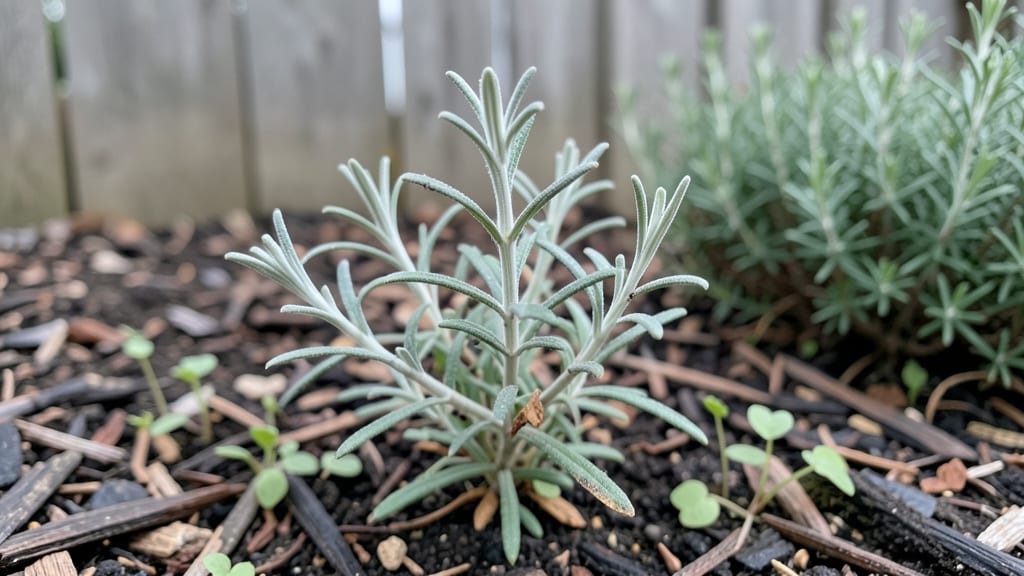
The identification of a rosemary seedling can save you from mistaking it for other herbs—especially when those tiny leaves look suspiciously similar to thyme or oregano at first glance. 🌿 I’ve pulled up more than a few "rosemary" plants that turned out to be something else, and the key differences lie in the leaf shape and stem color.
A true rosemary seedling has narrow, needle-like leaves with a slight curve, almost like tiny pine needles, and stems that start out a soft green but develop a woody texture as they mature.
The real giveaway? Look at how the leaves grow—they’re arranged in pairs along the stem, not randomly like basil or mint. Most people overlook this detail and end up with a garden full of lookalikes.
Rosemary also has a faint, piney scent even when young, which is another dead giveaway if you’re unsure. Once you spot these traits, you’ll never confuse it again, and you’ll know exactly which seedlings to nurture into full, fragrant bushes.
If you’re growing from seed, these seedlings will appear in about 2-3 weeks, and by 6-8 weeks, you’ll see the classic rosemary shape. The stems will thicken slightly, and the leaves will develop a silvery-green hue—another clue that you’re on the right track.
Avoid the temptation to pull up every green sprout; patience here pays off with a plant that thrives for years.
Common mistakes include watering too much (rosemary hates soggy soil) or planting too deep (keep the soil just covering the seeds). Once you’ve confirmed your seedlings, give them bright light and well-draining soil, and you’ll have a head start on a bush that’s both beautiful and useful.
The next step? Transplanting them into pots or the ground once they’re sturdy enough to handle it.
📚 In This Guide
- What you need
- Instructions
- Tips and common mistakes
- Wrapping up and next steps
What you need
- ● Rosemary seedlings or cuttings – Ensure they’re fresh (preferably 2–4 weeks old) for the best identification.
- ● Magnifying glass or hand lens – A 10x magnification lens works best for examining fine details like leaf texture and stem color.
- ● Ruler or measuring tape – A 12-inch ruler helps measure leaf length and stem diameter for precise comparisons.
- ● Notebook or digital note-taking tool – Jot down observations like leaf shape, color, and stem traits.
- ● Pencil or fine-tip marker – For labeling seedlings if you’re comparing multiple samples.
- ● Well-lit workspace – Natural light or a bright LED lamp (5000K+ color temperature) reduces shadows for clearer visibility.
- ● Digital camera with macro mode – Capture high-res images of leaves and stems for later reference.
- ● pH test kit (soil or water) – Rosemary thrives in neutral to slightly alkaline soil (pH 6.0–7.0); test if seedlings are struggling.
- ● Pruning shears (sterilized) – For safely trimming seedlings if you’re propagating or comparing growth stages.
- ● Field guidebook or rosemary ID app – Apps like PlantNet or iNaturalist can cross-verify your findings.
- ● Gloves (nitrile or cotton) – Protects hands from sap and dirt, especially if handling multiple seedlings.
Step-by-Step guide to identifying young rosemary seedlings
Here’s how to tell true rosemary seedlings from weeds or other plants—no guesswork involved.
🌱 Step 1: Examine Leaf Shape for the Classic Rosemary Signature
True rosemary seedlings have needle-like leaves that are 1-2 inches long and pointed at both ends, almost like tiny pine needles. These leaves grow in pairs along the stem and are gray-green to silvery-blue in color. If you spot a seedling with broad, flat leaves or fuzzy textures, it’s not rosemary—those are usually weeds or other herbs.
Hold the seedling up to a bright light to see the fine, hair-like texture on the underside of the leaves. This fuzzy coating helps rosemary conserve water, a key trait for identification. If the leaves feel smooth or waxy, it’s likely a different plant.
🌿 Step 2: Check Stem Color and Texture for Rosemary Traits
The stems of young rosemary seedlings are woody and slightly square-shaped, even at this early stage. They’ll be light green to reddish-brown, depending on sunlight exposure. If the stem is round, hollow, or bright green, it’s probably not rosemary—those are signs of a weed or a different herb like mint or basil.
Run your fingers along the stem. Rosemary stems are slightly rough to the touch due to tiny hairs. If the stem feels smooth or slippery, it’s not the plant you’re looking for. This texture is a dead giveaway for rosemary.
✂️ Step 3: Look for the Distinctive Growth Pattern
Rosemary seedlings grow in a bushy, upright pattern from the start. The leaves spread outward in a circular fashion, creating a dense, compact look. If the seedling is sprawling, vine-like, or has leaves growing in a single direction, it’s not rosemary—those are signs of a different plant.
Check the base of the seedling. True rosemary has multiple stems emerging from the soil, forming a clump. If you see just one main stem with no branches, it’s likely a weed or a misidentified herb.
💧 Step 4: Test with a Simple Smell Check (Optional but Helpful)
If you’re still unsure, gently crush a few leaves between your fingers and take a sniff. True rosemary has a distinct pine-like or camphor scent, even in seedlings. If there’s no scent—or if it smells like mint, citrus, or something entirely different—it’s not rosemary.
This step is optional but can save you from keeping weeds in your garden. If the scent is faint, it might just be a very young seedling—give it a few more days to mature before making your final call.
☀️ Step 5: Compare with Known Rosemary Plants
If you have an established rosemary plant nearby, compare the seedling’s leaves, stems, and scent directly. Place them side by side under the same lighting to see the similarities. True rosemary seedlings will mirror the mature plant’s traits in miniature form.
If the seedling matches the shape, color, and scent of your known rosemary, you’ve got a winner. If not, it’s time to pull it out before it competes with your true rosemary for nutrients.
Tips & tricks for identifying rosemary seedlings like a pro
Spotting true rosemary seedlings can be tricky—here's how to avoid common mistakes and nail the identification every time.
Leaf Texture Tip: The fuzzy underside of rosemary leaves is your secret weapon. Hold the seedling up to bright light and look closely—true rosemary leaves have tiny hairs that create a soft, velvety texture. If leaves feel smooth or waxy, it's not rosemary. I've caught weeds disguised as rosemary this way more times than I can count!
Growth Pattern Insight: In Step 3, when checking the bushy upright pattern, focus on the base of the seedling. True rosemary should have multiple stems emerging from the soil in a clump formation. If you see just one main stem, it's likely a weed. This clumping habit is a dead giveaway that's often overlooked.
Lighting Matters: Always examine seedlings in natural daylight or bright indoor light. Artificial lighting can distort colors and textures, making it harder to spot the gray-green to silvery-blue coloration that's characteristic of rosemary. I learned this the hard way when I tried identifying seedlings under dim fluorescent lights.
Scent Test Strategy: For the smell check in Step 4, crush leaves between your fingers rather than just sniffing. The act of crushing releases more of the pine-like or camphor scent that's unique to rosemary. If the scent is faint, it might just be a very young seedling—give it a few more days to mature before making your final call.
Pro Tips for Rosemary Seedling Identification
- Spotting true rosemary seedlings can be tricky—here's how to avoid common mistakes and nail the identification every time.
- Leaf Texture Tip: The fuzzy underside of rosemary leaves is your secret weapon.
- Growth Pattern Insight: In Step 3, when checking the bushy upright pattern, focus on the base of the seedling.
Frequently asked questions
How do I tell if my rosemary seedling is healthy?
A healthy rosemary seedling has bright green, needle-like leaves (not yellow or brown) and a sturdy, woody stem. Check for no pests (like spider mites) and no wilting—these are red flags. If leaves feel dry or brittle, it may need more water (but avoid soggy soil!).
When is the best time to transplant a young rosemary seedling?
Transplant rosemary seedlings in early spring or late fall when temperatures are mild (50–70°F). Avoid extreme heat or frost, which stress young plants. If you must transplant in summer, do it early in the morning or late afternoon to prevent sunburn. Water well before and after moving!
Can I grow rosemary from cuttings instead of seedlings?
Rosemary roots easily from cuttings—just snip a 3–4 inch stem, remove lower leaves, and place it in water or moist soil. Keep it in bright, indirect light until roots form (2–4 weeks). Cuttings often grow faster than seedlings and retain the parent plant’s traits!
Why are my rosemary seedlings’ leaves turning yellow?
Yellow leaves usually mean overwatering or nutrient deficiency. Let soil dry slightly between waterings, and ensure pots have drainage holes. If yellowing spreads, check for root rot (mushy stems) or chlorosis (pale leaves from iron deficiency). Adjust care and fertilize lightly with a balanced plant food.
Does rosemary grow well in containers, or do I need a garden bed?
Rosemary thrives in containers! Use a pot at least 12 inches deep with well-draining soil. Place it in full sun (6+ hours daily) and water only when the top inch of soil is dry. Containers make it easier to move plants indoors if frost threatens—just avoid overcrowding as roots need space to grow.
Wrapping up and next steps
Identifying rosemary seedlings is all about paying attention to those distinctive needle-like leaves and woody stems—plus a little patience! 🌱 With the right tools (like a magnifying glass or a plant ID app) and a keen eye for leaf arrangement and aroma, you’ll master spotting them in no time.
Now that you’re armed with this guide, why not grab a few cuttings and grow your own fragrant rosemary garden? Your kitchen—and your stress levels—will thank you!
Next steps:
- 🌿 Test your skills by scouting local nurseries or wild patches (with permission!).
- 📸 Snap photos of suspicious plants for comparison—your future self will appreciate the reference!
- 💚 Share your finds with fellow plant lovers (or tag us—we love seeing your discoveries!).