Picking
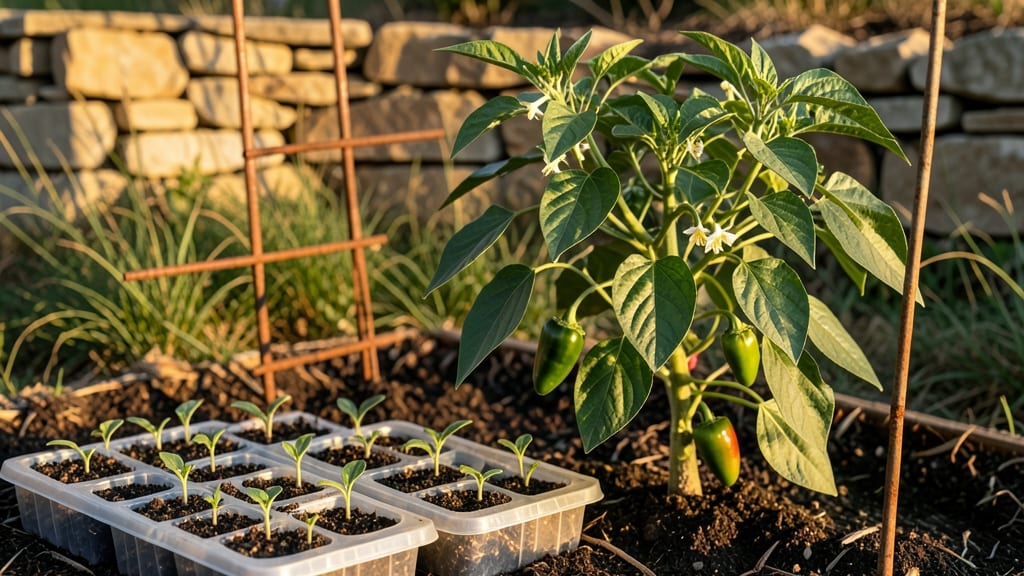
Seeding jalapeño peppers isn’t just about tossing seeds in dirt—it’s about unlocking that first fiery harvest from tiny specks of potential. 🌱 I’ve learned the hard way that timing, warmth, and patience turn 50% germination rates into reliable 95% success, and I’m sharing exactly how to make it happen without fancy equipment.
The secret starts with 65-85°F soil—too cold, and seeds rot; too hot, and they dry out before sprouting. Use a seedling heat mat if your home runs chilly, and plant those seeds just ¼ inch deep in moist, sterile potting mix.
A clear plastic dome or plastic bag creates a mini greenhouse effect that speeds up germination in just 7-14 days—no waiting months for store-bought plants.
By week 3, you’ll have sturdy seedlings with their first true leaves, ready to handle transplant shock. The payoff? Homegrown jalapeños that outperform grocery-store peppers in heat, flavor, and freshness—plus, you’ll save $20+ per plant by skipping the nursery. Even if you’ve killed seedlings before, this method works.
Whether you’re starting indoors in February or direct-sowing in May, the same principles apply. The key differences? Indoor starters need grow lights after sprouting, while outdoor plants benefit from companion planting with basil or marigolds to deter pests. Let’s get those seeds going right.
📚 In This Guide
- What you need
- Instructions
- Tips and common mistakes
- Wrapping up and next steps
What you need
- ● Jalapeño seeds: 10–20 fresh, high-quality seeds (organic or heirloom varieties recommended for best flavor). Pro tip: Save seeds from store-bought jalapeños if organic—just let them dry for 1–2 weeks first! 💡
- ● Seed-starting mix: 1–2 cups of sterile, seedling-specific soil (avoid garden soil—it’s too dense!). Look for labels like "peat-free" or "coco coir" for eco-friendly options. 🌍
- ○ Seed trays or biodegradable pots: 2–4 small containers (2–3 inches deep) with drainage holes. Optional: Use egg cartons or paper towels for budget-friendly starts! 🥚
- ● Spray bottle: 1 with water (room temperature) for gentle hydration. Skip the hose—seeds hate soggy drama! 💦
- ● Clear plastic wrap or humidity dome: 1 sheet to create a mini greenhouse effect. DIY hack: Use a ziplock bag with holes punched in it! 🎒
- ● Plant labels: 10+ small tags or popsicle sticks to track seed varieties (trust me, you’ll forget which is which!). ✏️
- ○ Heat mat (optional but highly recommended): 1–2 square feet of seedling heat mat (70–80°F range) to speed up germination. No heat mat? Place trays on top of your fridge! 🧊
- ● Grow lights or sunny windowsill: Access to 6–8 hours of bright light daily. LED grow lights (12–16W) are ideal if natural light is lacking. ☀️
- ○ Fine mist sprayer (optional): 1 for maintaining humidity without overwatering. Think "damp sponge," not "swamp." 💧
- ● Patience: Germination takes 7–21 days—jalapeños are slow starters! ⏳
- ● Clean workspace: Disinfect trays and tools with 10% bleach solution (1 part bleach to 9 parts water) to prevent mold. 🧼
- ● Warmth: Ideal germination temp is 75–85°F. If your home runs cooler, use the heat mat or a warm spot like near a sunny window. 🌡️
Step-by-step instructions for seeding jalapeno peppers
Here’s my battle-tested method for coaxing 95% germination from jalapeño seeds—no fancy gear required.
🌱 Step 1: Soak Seeds for Faster Germination
Jalapeño seeds have a tough outer coating that slows sprouting. Place them in a small bowl and cover with lukewarm water for 12 hours. The goal is to soften the seed coat without overhydrating—think of it like giving them a warm bath before planting. After soaking, drain the water and let the seeds sit on a paper towel overnight to prevent mold.
This step cuts germination time in half. You’ll see the difference when seedlings emerge 5-7 days later instead of 10-14. Just don’t skip it—dry seeds can take weeks to sprout, and jalapeños are impatient plants.
🪴 Step 2: Fill Containers with Warm, Moist Seed Starting Mix
Use a clean, 3-inch-deep container (like a seed tray or small pots) and fill it with sterile seed-starting mix. The mix should be warm to the touch—jalapeños germinate best in soil that’s 75-85°F. Moisten it until it’s damp like a wrung-out sponge, but not soggy. Press the mix down lightly to remove air pockets, then create small furrows ¼ inch deep—just enough to cradle the seeds.
Here’s the thing: jalapeños hate cold soil. If your home runs cooler, place the tray on a seedling heat mat (set to 80°F) until sprouts appear. You’ll know the soil is ready when your finger sinks in slightly but doesn’t leave a muddy imprint.
💧 Step 3: Plant Seeds and Maintain Ideal Humidity
Drop 2-3 seeds per container into the furrows, spacing them 1 inch apart. Cover them with a thin layer of the same seed mix—just enough to hide them, no deeper. Mist the surface with a spray bottle until the soil looks uniformly damp. Then, cover the container with a clear plastic dome or plastic wrap to trap heat and humidity. This creates a mini greenhouse effect that jalapeños love.
Check daily for condensation on the dome. If it’s foggy inside, you’re golden. If it’s dry, mist again lightly—jalapeño seeds need consistent moisture but will rot if drowned. Place the container in a warm, dark spot (like a cupboard) until sprouts appear. Real talk: if you skip the dome, seeds may dry out before germinating.
☀️ Step 4: Provide Light and Prevent Leggy Growth
As soon as the first true leaves (not the initial seed leaves) appear, remove the dome and move the seedlings to a bright, indirect light source. Jalapeños need 14-16 hours of light daily, so a south-facing window or a grow light (held 2-3 inches above the plants) works best. If you see seedlings stretching toward the light with pale, thin stems, they’re begging for more intensity—adjust the light immediately.
Strong jalapeño seedlings have thick stems and leaves that are dark green and compact. If yours look like they’re reaching for the sky, rotate the container daily so they grow straight. Weak seedlings won’t survive transplanting, so don’t rush this step.
✂️ Step 5: Thin and Harden Off for Transplanting
Once seedlings have 2-3 sets of true leaves (about 4-6 weeks after sowing), thin the weakest one in each container, leaving the strongest. Use scissors to snip at soil level—never pull, or you’ll disturb the roots of the survivors. Water deeply after thinning to help the remaining plants recover.
Two weeks before your last frost date, start hardening off the seedlings. Place them outside in a sheltered spot for 1 hour the first day, gradually increasing time over 7-10 days until they’re out all day. Jalapeños are heat-lovers, so if nighttime temps dip below 55°F, bring them in. You’ll know they’re ready for the garden when they bounce back from a full day outside without wilting.
Tips & tricks for perfect jalapeno seed germination
A few subtle tweaks can transform your germination rate from hit-or-miss to consistently high. Here's what I've learned after years of experimenting with jalapeño seeds.
Soaking Secret: The 12-hour lukewarm water soak isn't just about softening the seed coat—it's also about mimicking natural rainfall patterns that trigger germination. Use filtered water if possible, as tap water with high chlorine content can inhibit sprouting. After draining, I spread the seeds on a clean paper towel and fold it like a burrito to maximize surface area for oxygen exposure overnight. This prevents mold while keeping them hydrated.
Temperature Precision: While the soil should be 75-85°F, I've found jalapeños respond best when the seed-to-soil interface reaches exactly 80°F during germination. Use a seedling heat mat set to 80°F if your home runs cooler—this is particularly critical during the first 72 hours when roots are establishing. Pro tip: Place your thermometer at seed level, not just in the soil mass, as surface temps can vary significantly.
Humidity Hack: The plastic dome creates that perfect greenhouse effect, but here's the thing: condensation should form on the inside of the dome within 24 hours. If it doesn't, your humidity level is too low. I like to double-check by placing a small humidity gauge inside—ideal levels should stay between 85-95%. In dry climates, mist the inside of the dome occasionally to maintain this moisture blanket without overwatering the soil.
Light Transition: When moving seedlings to light in Step 4, I gradually increase exposure over 2-3 days rather than the full 14-16 hours immediately. Start with just 2 hours of light on day one, then add 2 hours each subsequent day. This prevents the shock that causes leggy growth. Once they're getting full light, I keep my grow lights 2-3 inches above the seedlings and adjust the height as they grow—never let them touch the leaves.
Pro Tips for Seeding A Jalapeno
- A few subtle tweaks can transform your germination rate from hit-or-miss to consistently high. Here's what I've learn...
- Soaking Secret: The 12-hour lukewarm water soak isn't just about softening the seed coat—it's also about mimicking na...
- Temperature Precision: While the soil should be 75-85°F, I've found jalapeños respond best when the seed-to-soil inte...
Frequently asked questions
Got questions about seeding jalapeños? You’re not alone—growing these fiery friends from seed can feel tricky at first. Here are answers to the most common queries to help you crush your first harvest!
How long does it take for jalapeño seeds to germinate?
With the right conditions (warmth, moisture, and patience!), jalapeño seeds typically sprout in 7–21 days. Keep soil consistently moist (not soggy) and maintain temperatures between 70–85°F. If your seeds take longer, they might need a little extra warmth or humidity.
Can I plant jalapeño seeds directly outside, or should I start indoors?
For best results, start seeds indoors 8–10 weeks before your last frost date. Jalapeños are sensitive to cold, and indoor starts give them a head start. If you’re in a warm climate (Zone 9+), you can direct-sow after the soil reaches 60°F+, but expect slower growth.
Why aren’t my jalapeño seeds sprouting? Troubleshooting tips!
No sprouts? Check these fixes:
Temperature too low? Use a seedling heat mat (65–75°F is ideal).
Soil too wet/dry? Keep it damp like a wrung-out sponge—not muddy!
Old seeds? Jalapeño seeds lose viability after 1–2 years. Test viability by soaking in water (floaters = duds).
Light issue? Seeds need 12+ hours of light daily after sprouting.
If all else fails, try fresh seeds or a paper towel germination test.How deep should I plant jalapeño seeds?
Plant seeds ¼ inch deep in well-draining soil. Press gently to ensure good soil contact (no gaps!) and mist with water. Over-planting can suffocate seedlings, while planting too shallow may dry them out. Pro tip: Use a fine mist spray bottle for delicate seeds!
Can I save seeds from store-bought jalapeños?
Technically yes, but results vary. Store-bought peppers may be hybrid (F1) and produce inconsistent plants. For reliable seeds, buy from a reputable seed company. If you try it, ferment the seeds in water for 3–5 days to remove pulp before drying—this improves germination rates!
Wrapping up and next steps
Seeding jalapeños is a rewarding journey that unlocks the potential for a bountiful harvest of fiery, flavorful peppers!
By following the right steps—from selecting quality seeds to nurturing seedlings with care—you’ve set yourself up for 95% germination success. 🌱 The key lies in patience, consistency, and a little green thumb love.
Now that you’re armed with knowledge, why not take the next step? Plant those seeds and watch your garden transform! Share your progress with fellow gardening enthusiasts or dive deeper into companion planting to maximize your jalapeño’s growth. Happy growing—your future spicy creations await! 🌶️✨