
Container Gardens
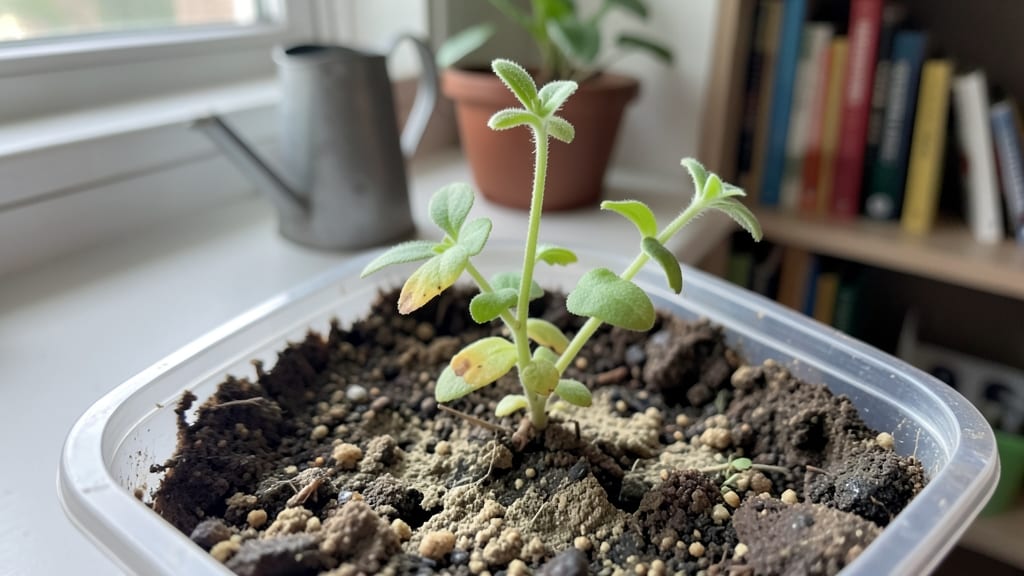
Your seedling not growing after weeks of waiting is the worst kind of gardening frustration—like staring at a blank canvas when you expected a masterpiece. 🌱 I’ve nursed more stalled seedlings back to life than I’d like to admit, and the fixes are simpler than you think, starting with light, water, and soil checks that take less than 10 minutes.
The most common culprits are easy to spot once you know what to look for: leggy stems mean light deprivation, crispy edges signal overwatering, and a sour smell points to rot.
Even pests like fungus gnats or damping-off can halt growth before you notice. The good news? Each problem has a targeted solution—no guesswork, just quick adjustments that get roots growing again.
By the end of this, you’ll diagnose the exact issue holding your seedling back and take action that yields visible progress within days. No more waiting weeks for a sprout that never comes. The first step? Grab a magnifying glass and let’s get to the root of the problem—literally.
This works for any seedling—veggies, flowers, or herbs—regardless of whether you’re growing in trays, solo cups, or a sunny windowsill. The same principles apply, so you’ll walk away with a foolproof troubleshooting method for future batches too.
Hidden Factors Stalling Growth
When your seedling seems stuck in place, the issue often lies in invisible forces—like soil chemistry, environmental stress, or even microscopic pests. Understanding these silent saboteurs is key to reviving your plant’s potential.
Below, we break down the most common culprits behind stagnant seedlings, explained in plain science with actionable fixes.
Healthy growth starts underground, and if your soil lacks the right balance, your seedling will struggle to thrive. Here’s what’s likely going wrong:
- Compacted or Waterlogged Soil Overly dense soil blocks roots from expanding, while soggy conditions suffocate them by cutting off oxygen. Test it: Press your finger 1 inch into the soil—if water drips out or it feels like wet clay, drainage is the issue. - Fix: Amend with perlite or coarse sand (20% of the soil mix) to improve aeration.
For waterlogged pots, add holes in the bottom and use a well-draining potting mix (avoid garden soil).
- Nutrient Deficiencies Seedlings need nitrogen (N) for leaves, phosphorus (P) for roots, and potassium (K) for energy. If the soil is depleted, growth stalls. - Fix: Use a balanced fertilizer (e.g., 5-5-5 or 10-10-10) at half-strength when true leaves appear.
For organic options, try fish emulsion or compost tea.
- pH Imbalance Most seedlings prefer a slightly acidic to neutral pH (6.0–7.0). If the soil is too alkaline (pH >7.5) or acidic (pH <5.5), nutrient uptake fails.
- Fix: Test your soil with a pH meter or kit. Adjust with:
- Lime (to raise pH)
- Sulfur or vinegar (to lower pH)
- Fix: Test your soil with a pH meter or kit. Adjust with:
Seedlings are delicate—expose them to extreme conditions, and growth grinds to a halt. Common offenders include:
- Inconsistent Light Exposure Too little light = etiolation (weak, leggy stems). Too much direct sun = burnt leaves.
The sweet spot? 12–16 hours of bright, indirect light daily. - Fix: - Low light? Move to a south-facing window or use grow lights (LED or fluorescent) 6–8 inches above the seedlings. - Too much sun? Provide light shade (like a sheer curtain) or move to a north-facing window.
- Temperature Swings Ideal seedling temps: 65–75°F (18–24°C) during the day, 55–65°F (13–18°C) at night.
Below 50°F (10°C) or above 85°F (29°C), metabolic processes slow or stop. - Fix: - Use a heat mat (for cool climates) or move to a warmer spot. - Avoid drafts (e.g., near AC vents or open windows).
- Humidity Extremes Low humidity causes transpiration stress (water loss > uptake), while high humidity encourages fungal diseases like damping-off.
- Fix:
- Boost humidity: Place a humidity dome over seedlings or use a spray bottle to mist lightly (avoid wetting leaves).
- Improve airflow: Use a small fan on low speed (24/7) to mimic wind and prevent mold.
- Fix:
Tiny invaders can derail growth before you even notice. Watch for these stealthy slowdowns:
- Fungal Infections (Damping-Off, Powdery Mildew) Symptoms: Soft, mushy stems (damping-off) or white powdery patches (mildew).
Both thrive in overly wet, stagnant conditions. - Fix: - Prevent: Water at the soil level (not overhead) and space seedlings to improve airflow. - Treat: Spray with neem oil (1 tsp per quart of water) or baking soda solution (1 tsp baking soda + 1 quart water + drop of dish soap).
- Root Rot (From Overwatering) Symptoms: Yellowing leaves, black/mushy roots, foul smell. Caused by Pythium or Phytophthora fungi in waterlogged soil. - Fix: - Stop watering until the top inch of soil is dry. - Repot in fresh, sterile soil if roots are mushy.
Add mycorrhizal fungi (like RootShield) to promote healthy root regrowth.
- Pests (Aphids, Spider Mites, Fungus Gnats) Symptoms: Sticky residue (aphids), webbing (mites), or tiny flies around the soil (gnats).
These sap-suckers weaken seedlings by draining nutrients. - Fix: - Aphids/Mites: Spray with soapy water (1 tsp mild soap per quart) or insecticidal soap. - Fungus gnats: Let the soil dry slightly between waterings and top with sand or cinnamon to deter larvae.
More isn’t always better—fertilizer burns or salinity buildup can halt growth faster than a nutrient deficiency.
- Salt Buildup (From Fertilizer or Tap Water) Symptoms: Crusty white residue on soil, brown leaf tips, or stunted growth.
- Fix:
- Flush the soil with distilled or rainwater (run water through the pot until it drains clean).
- Use fertilizer sparingly (follow package rates) and avoid tap water if it’s hard (high in minerals).
- Fix:
- Herbicide or Chemical Residue If your soil was previously treated with glyphosate (Roundup) or other herbicides, residue can stunt seedling growth for weeks.
- Fix:
- Test your soil for contaminants (some garden centers offer kits).
- Repot in sterile, untreated soil if contamination is suspected.
- Fix:
Not all seeds are created equal—some slow-growing varieties (like heirloom tomatoes or certain herbs) naturally take longer to sprout or develop. Others may be dormant until conditions are just right.
- Cold-Stressed Seeds Some seeds (e.g., peppers, tomatoes) need a warmth trigger to germinate. If soil temps are below 60°F (15°C), they may sit dormant.
- Fix: Use a seedling heat mat or bottom-watering tray to maintain consistent warmth.
- Small or Weak Seeds Old, low-quality, or poorly stored seeds may germinate but produce weak seedlings that struggle to grow.
- Fix: Test germination rate by planting 3–5 seeds—if <70% sprout, try fresh seeds from a reputable supplier.
When troubleshooting, ask:
- Is the problem above ground? (Light, pests, temperature)
- Is it below ground? (Soil, roots, water)
- Is it the seed itself? (Variety, age, dormancy)
Act on the most likely culprit first—often, fixing one issue (like light or water) will reveal if others are at play. 💡
Quick Fixes for Stubborn Seedlings
When your seedlings seem stuck in slow motion, don’t panic—just troubleshoot! Below are practical, step-by-step solutions tailored to the most common causes, plus prevention tips to keep your green babies thriving. Think of this as your emergency repair kit for underperforming sprouts.
Fix: Seedlings crave light—too little and they stretch (a condition called etiolation) like a sleepy cat reaching for the sun. Here’s how to correct it:
- Move them closer to a south-facing window (or the brightest spot in your home). If natural light is weak (common in winter or shaded areas), supplement with grow lights (LED or fluorescent, 12–16 hours/day). - Rotate trays daily 🔄 so seedlings don’t lean toward one side.
A slow spin keeps them upright and even. - Thin crowded seedlings 🌿—overcrowding blocks light for weaker plants. Snip or transplant extras to give survivors space to stretch.
Prevention: ✅ Start with the right setup: Use a seedling heat mat (70–75°F) + grow lights from day one if natural light is poor. ✅ Monitor light intensity: If leaves look pale or leggy, you’re not providing enough. Aim for 10,000–20,000 lux (use a light meter if possible).
Fix: Watering is a Goldilocks game—too much or too little spells trouble. Here’s how to dial it in:
- Check soil moisture 🧵 before watering: Stick your finger 1 inch deep. If it’s damp, wait.
If dry, water slowly until it drains from the bottom. - Use the right tools: - Containers with drainage holes 🕳️ (no soggy roots!). - Well-draining soil mix (50% potting soil + 50% perlite/vermiculite). - Adjust your routine: - Overwatering? Let the top 1–2 inches dry out between waterings. - Underwatering? Water deeply once, then reduce frequency.
Wilting seedlings often bounce back in hours.
Prevention: ✅ Group seedlings together 🌧️ to create a mini greenhouse effect (reduces evaporation). ✅ Water at the base (not overhead) to avoid fungal diseases like damping off.
Fix: Seedlings are sensitive to temperature swings—too hot or too cold stalls growth. Here’s how to keep them cozy:
- Keep them warm 🔥:
- Daytime: 65–75°F (ideal for most veggies/flowers).
- Nighttime: No lower than 55°F (drops below this can shock them).
- Use a heat mat (for early stages) or place trays on a sunny windowsill (but avoid cold drafts).
- Avoid sudden changes ❄️—don’t move seedlings from a warm room to a chilly porch overnight.
Prevention: ✅ Hardening off gradually 🌿: Before transplanting, expose seedlings to outdoor temps for 1–2 weeks, increasing time daily. ✅ Monitor humidity 💦: Use a humidity dome (remove once sprouts appear) or mist lightly if air is dry.
Fix: Seedlings don’t need much fertilizer early on—too much burns them! Follow this gentle feeding plan:
- First 2 weeks: Use plain water (no fertilizer). Seedlings tap into their seed’s stored energy. - Weeks 3–4: Switch to a diluted, balanced fertilizer (e.g., ½ strength 10-10-10 or fish emulsion). - Signs of deficiency: - Yellow leaves? → Likely nitrogen deficiency.
Use a foliar spray (like seaweed extract). - Purple stems? → Phosphorus shortage. Try a bone meal top dressing.
Prevention: ✅ Test your soil 📊 before planting—amend with compost if nutrients are lacking. ✅ Avoid “fertilizer shock”—always dilute to ¼–½ strength for seedlings.
Fix: Tiny invaders or fungi can halt growth overnight. Spot and treat early:
| Problem | Signs | Fix |
|---|---|---|
| Aphids | Sticky leaves, curled growth | Spray with soapy water (1 tsp mild soap + 1 quart water) or neem oil. |
| Fungal damping off | Seedlings collapse at soil line | Remove infected plants, sterilize soil with hydrogen peroxide (3%), and reduce watering. |
| Spider mites | Tiny webs, speckled leaves | Blast off with water spray, then treat with insecticidal soap. |
Prevention: ✅ Inspect new seedlings 🔍 before bringing them indoors. ✅ Space plants well 🌿 to improve airflow (fungi love humidity).
- 💡 Use a seedling journal: Track watering, light, and growth daily—patterns emerge fast!
- ✨ Try “bottom watering”: Place trays in a shallow tray of water for 10–15 mins—encourages deep root growth.
- 🌿 Transplant early: Once seedlings have 2–3 true leaves, move them to individual pots (3–4 inches deep) to reduce competition.
Remember: Seedlings grow in phases—some take weeks to “wake up” from dormancy. Stay patient, adjust one variable at a time, and soon you’ll see those leaves perking up like they just chugged a cup of coffee! 🚀
Frequently asked questions about stalled seedlings
Why is my seedling growing so slowly after the sprout stage?
Slow growth after sprouting usually means your seedling is stressed by one of three factors: light deprivation (leggy stems), over/under-watering (wilting or yellowing), or nutrient deficiencies (pale leaves). Check soil moisture first—it should feel damp but not soggy. If the stem is stretching toward light, move it to a south-facing window or use grow lights 6-8 inches away for 12-16 hours daily.
How do I tell if my seedling is overwatered vs. underwatered?
Overwatered seedlings have yellow, mushy leaves, blackened roots, and a foul smell—this means root rot from poor drainage. Underwatered ones look crispy at the edges, wilted, or have dry soil pulling away from the pot. Fix overwatering by letting the top 2 inches dry out and repotting in well-draining mix. For underwatering, water deeply until it drains from the bottom, then reduce frequency.
Can I save a seedling with black stems at the soil line?
That’s damping-off fungus, a common killer of young seedlings. Unfortunately, once the stem turns black and mushy, the seedling is usually too far gone to save. Prevent future cases by watering at the base (not overhead), using sterile potting mix, and spacing seedlings to improve airflow. For remaining healthy plants, spray with neem oil (1 tsp per quart of water) as a preventative.
Is it normal for seedlings to stop growing for weeks?
Some slow-growing varieties (like heirloom tomatoes or certain herbs) take 3-4 weeks to show steady progress, especially if they’re cold-stressed (below 60°F/15°C) or nutrient-starved. If your seedling has 2-3 true leaves but isn’t stretching, it’s likely just building roots. Boost growth by moving to a warmer spot (use a heat mat if needed) and adding a light fertilizer (½ strength 5-5-5) after 2 weeks.
What’s the fastest way to revive a leggy seedling?
Leggy seedlings need immediate light correction. Move them to the brightest spot (south window or grow light) and bury ⅔ of the stem in soil to encourage new root growth. Use a small fan on low (24/7) to strengthen stems, and avoid fertilizing until they’ve adjusted. Within 3-5 days, you’ll see thicker, more upright growth as they photosynthesize properly.