
Vegetables
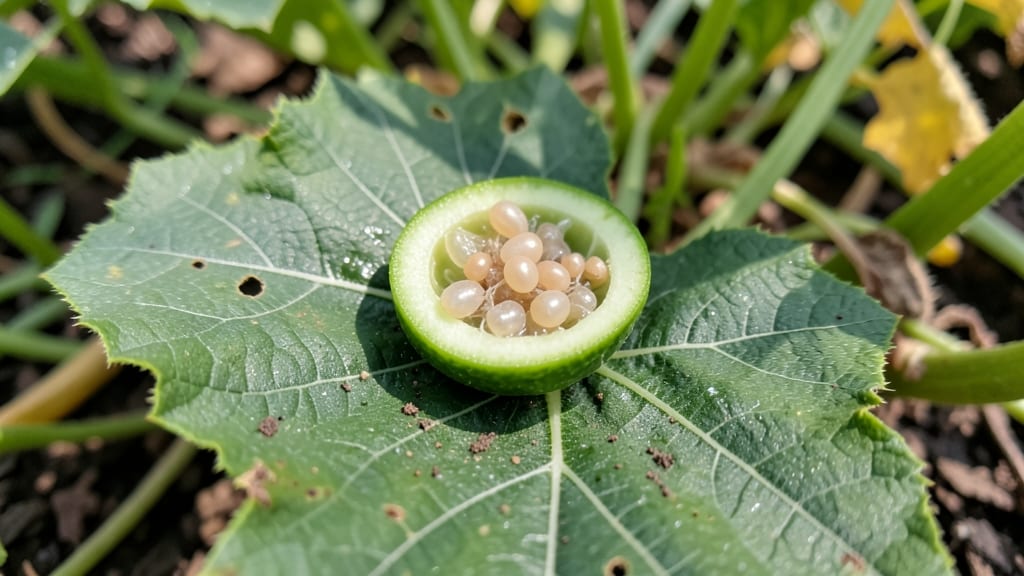
Growing snake cucumber seeds fast means skipping the usual 2-3 week wait—this pre-chill trick gets sprouts in just 7 days. 🌱 I learned the hard way that these tropical climbers need a little cold shock to break dormancy, and once they wake up, they shoot up like weeds.
The secret is simple: mimic their native monsoon triggers with a quick fridge soak before planting.
You’ll need just three things: a damp paper towel, a sealed plastic bag, and your patience. No fancy equipment, no greenhouse—just a cool spot in your kitchen for a few days.
Snake cucumbers reward this effort with vibrant green vines that climb faster than kudzu, producing edible fruits that taste like a cross between cucumber and apple. Plus, the leaves have medicinal properties that make this plant a double win.
By day 7, you’ll see tiny sprouts pushing through the soil, ready to take over trellises or fences. The vines grow aggressively, so plan for vertical space—they’ll twist and coil like snakes (hence the name) while producing fruits that ripen in about 90 days.
Even in cooler climates, this method works if you start seeds indoors 6-8 weeks before your last frost.
Fair warning: these plants spread fast, so contain them early. The pre-chill trick cuts germination time by half, but the real magic happens when you watch those first tendrils reach for the sky. Once they get going, they’re impossible to kill—even if you forget to water them for a week.
📚 In This Guide
- What you need
- Instructions
- Tips and common mistakes
- Wrapping up and next steps
What you need
- ● Snake cucumber seeds: 5–10 seeds (ensure they’re fresh for best results).
- ● Growing containers: Small seed trays or biodegradable pots (3–4 inches deep).
- ● OR a shallow dish with drainage holes (e.g., yogurt cup with holes poked in the bottom).
- ● Potting mix: 1–2 cups of well-draining, seed-starting mix (sterile and peat-based works best).
- ● Plastic wrap or humidity dome: To create a mini greenhouse effect.
- ● Spray bottle: For gentle watering (avoid soaking the soil).
- ● Refrigerator or cool dark space: Set to 40–50°F (4–10°C) for pre-chilling.
- ● Paper towel or damp cloth: Lightly moisten to wrap seeds (keep them damp but not soggy).
- ● Small resealable bag or container: To hold seeds during the 7-day chill.
- ● Grow lights or sunny windowsill (if natural light is limited).
- ○ Heating mat (optional, to maintain warmth post-chill).
- ● pH testing kit (ideal soil pH: 6.0–6.8).
- ● Fertilizer (balanced 10-10-10 or organic compost tea, after sprouts emerge).
Step-by-step instructions for pre-chilling snake cucumber seeds
Fast-track germination with this cold treatment—your snake cucumbers will sprout in just 7 days.
🌱 Step 1: Select and Prepare the Seeds
Snake cucumbers need a little help breaking dormancy, so start by choosing 4 healthy seeds from your packet. I like to soak them first in a small bowl of lukewarm water for 12 hours—this softens the tough outer shell and speeds up the process. You’ll see them plump up slightly, which means they’re ready for the next step.
After soaking, drain the water and let the seeds air-dry on a paper towel for about 30 minutes. This prevents mold from forming when we refrigerate them later. Keep them in a sealed container or baggie to maintain moisture while they dry.
⏰ Step 2: Pre-Chill for 3 Days in the Fridge
Place the damp seeds between two layers of damp paper towels inside a small plastic bag or container. Seal it loosely—you want airflow but not complete enclosure. Pop this in the fridge for 72 hours (3 days) at 35-40°F. This cold treatment mimics winter conditions and tricks the seeds into thinking spring has arrived.
Check on them once after 24 hours to ensure the towels are still moist but not soggy. If they feel dry, mist lightly with water. The fridge’s consistent temperature is key—fluctuations can slow or even halt germination. After 3 days, you’re ready to move them to warmer conditions.
🌿 Step 3: Plant in Warm, Moist Soil
Fill 4 small pots (about 3 inches deep) with well-draining potting mix—snake cucumbers hate soggy roots. Moisten the soil until it’s damp but not dripping, then make ¼-inch-deep holes with your finger. Drop one pre-chilled seed into each hole and cover lightly with soil. Press gently to ensure good contact.
Place the pots in a warm spot (around 70-75°F) like on top of the fridge or near a sunny window. Keep the soil consistently moist by misting lightly every 2-3 days—you’ll know it’s right when the top inch feels damp but not wet. Within 5-7 days, you’ll see tiny sprouts pushing through the soil.
☀️ Step 4: Provide Light and Monitor Growth
Once sprouts appear, move the pots to a bright, indirect light spot—snake cucumbers need 6+ hours of light daily to grow strong. If your space is low-light, supplement with a grow light kept 4 inches above the plants. You’ll notice the seedlings stretch toward the light, so rotate the pots every few days to keep them growing straight.
Watch for first true leaves (the second set after the initial seed leaves) to appear in about 2 weeks. This is your cue to thin if needed—though with only 4 seeds, you likely won’t need to. Keep the soil moist but not waterlogged, and avoid overcrowding as the vines grow.
Tips & tricks for perfect snake cucumber germination
Here's what I've learned to ensure your snake cucumber seeds sprout reliably in just 7 days—no guesswork involved.
Soaking Secret: The 12-hour soak in lukewarm water isn't just about hydration—it's about breaking the seed's natural dormancy. If your water feels warm to the touch (around 75°F), you're golden. Too hot and you'll damage the seeds; too cold and they won't plump up properly. I like to use a small glass bowl so I can easily see the seeds swelling slightly—this visual cue tells me they're ready for the next step.
Fridge Temperature Matters: That 35-40°F range in the fridge is critical for mimicking winter conditions. If your fridge runs cooler (like 32°F), germination may take longer. I place my container on the middle shelf where temps are most consistent. And here's a pro move: label your container with the date so you don't forget about it after those 72 hours!
Moisture Management: The damp paper towels should feel like a wrung-out sponge—not dripping, not bone dry. After the 24-hour check, I find a spray bottle with just a few pumps works better than soaking again. Too much moisture leads to mold; too little and the seeds won't germinate. Think "damp but not wet" at every stage, especially during the 3-day fridge treatment.
Planting Precision: Those ¼-inch-deep holes might seem small, but snake cucumbers have delicate roots. I use a toothpick to make the holes—it gives me better control than my finger. Pressing the soil gently after planting ensures good seed-to-soil contact, which is crucial for consistent germination. And here's a bonus: if you're planting more than 4 seeds, space them 2 inches apart to prevent future crowding.
Pro Tips for Snake Cucumber Seeds
- Here's what I've learned to ensure your snake cucumber seeds sprout reliably in just 7 days—no guesswork involved.
- Soaking Secret: The 12-hour soak in lukewarm water isn't just about hydration—it's about breaking the seed's natural dormancy.
- Fridge Temperature Matters: That 35-40°F range in the fridge is critical for mimicking winter conditions.
Frequently asked questions
Got questions about growing snake cucumbers from seeds?
You’re in the right place! Here are answers to the most common queries—from pre-chill tricks to troubleshooting slow sprouts.
Do snake cucumber seeds really need pre-chilling to sprout faster?
Yes! Snake cucumbers (Trichosanthes cucumerina) thrive with a 24-48 hour cold treatment (40–50°F) before planting. This mimics their tropical origins and breaks dormancy, helping seeds sprout in 5–7 days instead of weeks. Skip this step, and germination may take 2–3 weeks.
What’s the best time of year to plant snake cucumber seeds?
Plant seeds when soil temps hit 60–70°F—typically late spring to early summer in warm climates (Zones 8–11). In cooler areas, start seeds indoors 4–6 weeks before last frost using the pre-chill method. Avoid planting after summer heat peaks, as vines struggle in extreme heat.
Can I grow snake cucumbers from store-bought snake gourds?
Save seeds from ripe, organic snake gourds (let them ferment in water for 2–3 days to clean them). However, pre-chilling may still help since store-bought seeds might not have undergone natural stratification. Pro tip: Test a few seeds first—some varieties may not germinate as reliably.
Why aren’t my snake cucumber seeds sprouting after 2 weeks?
Check these fixes:
- Moisture: Keep soil consistently damp (not soggy). Use a spray bottle or bottom-watering tray.
- Depth: Plant seeds ½ inch deep—too shallow = dry; too deep = weak sprouts.
- Warmth: Use a seedling heat mat (70–80°F) if your home is chilly.
- Viability: Test old seeds by soaking in water—floaters are dead; sinkers may still sprout.
Still stuck? Try scarifying seeds (lightly nick the shell) or soak in lukewarm water for 12 hours before planting.
Are snake cucumbers easy to grow in containers?
Yes! Their trailing vines thrive in 5-gallon+ containers with drainage holes. Use a lightweight potting mix and trellis them vertically to save space. Just ensure containers get 6+ hours of sun daily—partial shade in scorching climates helps prevent vine stress.
Wrapping up and next steps
Growing snake cucumbers from seeds is a rewarding journey—especially when you unlock the pre-chill trick to speed up sprouts in just 7 days! 🌱 Whether you're a seasoned gardener or a curious beginner, this simple method saves time and boosts success.
Now that you’re armed with the right tools, techniques, and troubleshooting tips, it’s time to roll up your sleeves and plant those seeds.
Ready to harvest your own snake cucumbers? Start by pre-chilling your seeds this weekend—your future harvest (and taste buds!) will thank you. Happy gardening! 🌿