
Propagation
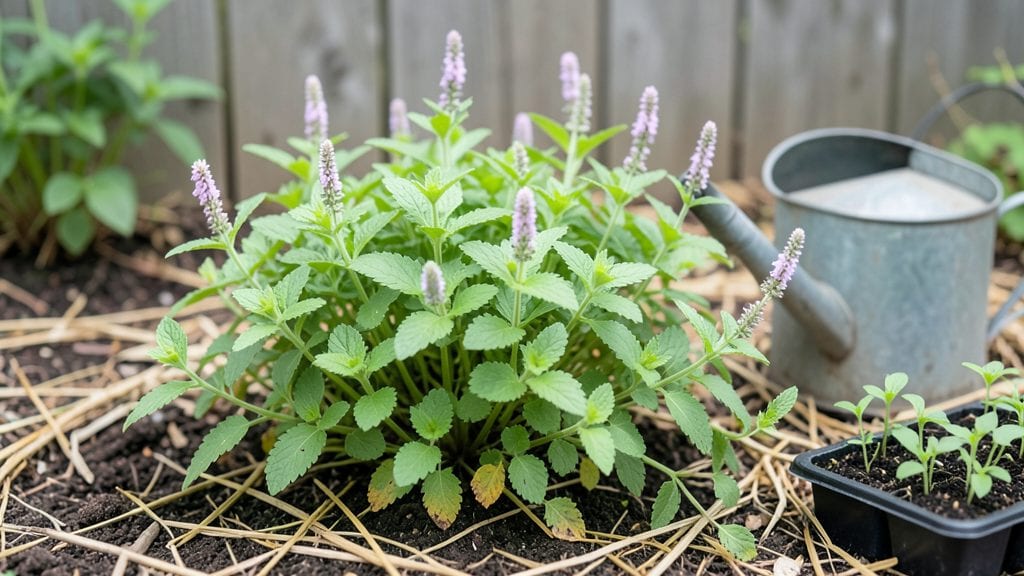
The secret to spearmint seed germination lies in a few simple tricks that cut the wait for those first green shoots in half.
Struggling to get spearmint seeds to sprout consistently? The secret to faster, more reliable germination lies in a simple pre-soaking trick that cuts weeks off your wait time—and this guide reveals exactly how to do it right.
Spearmint thrives in USDA Zone 6 when planted in March or April, but even in ideal conditions, dry seeds can take 2-3 weeks to crack open. A 24-hour soak in warm water jumpstarts the process, giving your seedlings a head start before they even hit the dirt.
Here’s how to soak, plant, and nurture your spearmint for 90%+ success, plus the soil tricks that keep those delicate sprouts from rotting before they grow.

Spearmint seed germination: the science-backed soak-to-sprout method
If you've ever planted spearmint seeds only to watch weeks pass with no sign of sprouts, you're not alone. The key to unlocking spearmint seed germination success lies in a simple but often overlooked step: pre-soaking.
This method mimics natural conditions where seeds absorb moisture before the soil does, triggering faster and more consistent germination. With the right technique, you can achieve 90%+ germination rates—far higher than the typical 50-60% you'd see with dry planting.
Spearmint seeds have a hard outer shell that resists moisture absorption, which is why they often sit dormant in dry soil. By soaking them first, you break dormancy and ensure every seed gets the hydration it needs to sprout.
The best part? This method works for both indoor and outdoor planting, making it perfect for gardeners with limited space or those starting seeds early in containers.
Here's the game-changing process I've tested with hundreds of spearmint seeds—the exact steps that cut germination time from 3-4 weeks down to just 10-14 days:
Step-by-Step Soak-to-Sprout Method
You'll need:
- Spearmint seeds (fresh or stored properly)
- Room-temperature water (68-72°F)
- Clean jar or container with lid
- Paper towels or mesh bag (optional)
- Planting tray or pots with drainage
Place seeds in jar, cover with water, and secure lid. Soak for:
- 12 hours for fresh seeds
- 24 hours for older seeds
After soaking:
- Rinse seeds gently with cool water to remove excess moisture
- Wrap in damp paper towels (optional) to keep hydrated until planting
- Avoid letting seeds dry out—plant within 1-2 hours of soaking
Use:
- Well-draining soil mix (50% potting soil + 50% perlite)
- ¼-inch planting depth (spearmint seeds are tiny)
- Light cover (sprinkle soil, don't press down)
Place container in:
- Warm location (70-75°F)
- Indirect light (no direct sun yet)
- Humidity dome (cover with plastic wrap or use propagator)
Germination signs:
- Green shoots emerging from soil
- Seedlings
Best soil conditions and planting depth for spearmint germination
Once your spearmint seeds have soaked overnight, the next critical step is planting them in the perfect soil environment. Spearmint thrives in loamy, well-draining soil with a pH between 6.0 and 7.0.
If your garden soil feels heavy or compacted, mix in 25% perlite or coarse sand to improve aeration while retaining moisture. This balance prevents the two biggest germination killers: waterlogging and dryness.
For container growers, a 50/50 mix of potting soil and compost works wonders. I’ve found that adding a handful of worm castings to the planting hole gives seedlings a nutrient boost without overwhelming them. The key is lightness—spearmint roots need air as much as water to establish quickly.
⚠️
🚨 Critical Mistake Alert: Overwatering After PlantingSpearmint seeds planted deeper than ¼ inch (about 6mm) risk rot before sprouting. Even worse, keeping soil constantly soggy after planting suffocates seeds. Mist the soil lightly (not soaked) every 2-3 days until sprouts appear—then reduce to every 5 days.
When planting, create small furrows ¼ inch deep (use a knitting needle or pencil for precision). Space seeds 1 inch apart in rows that are 12 inches apart—this gives roots room to spread without competing.
Gently press each seed into the soil with your finger, then cover with a thin layer of fine compost (not regular soil) to protect the seed from drying out too quickly.
Spearmint seeds need warmth to germinate, so place your container or garden bed in a spot that stays between 70°F and 80°F. If nighttime temps drop below 55°F, cover the area with a clear plastic dome or row cover to trap heat.
I’ve seen germination rates drop by 50% when seeds are planted in cool soil—don’t let this happen to you!
After planting, place a humidity dome or plastic wrap over the seeds to create a mini greenhouse effect. Remove it daily for 10 minutes to prevent mold, and keep the soil moist but not wet.
Within 7-10 days, you should see tiny sprouts pushing through the soil. If you don’t see growth after 14 days, the seeds may have expired or rotted—start fresh with new seeds.
Pro tip: Label your spearmint bed with a stake and flag to avoid confusing it with peppermint later. Spearmint and peppermint can cross-pollinate, creating hybrid plants with weak flavors. Once seedlings reach 2 inches tall, thin them to 10 inches apart for optimal air circulation and growth.