
How To
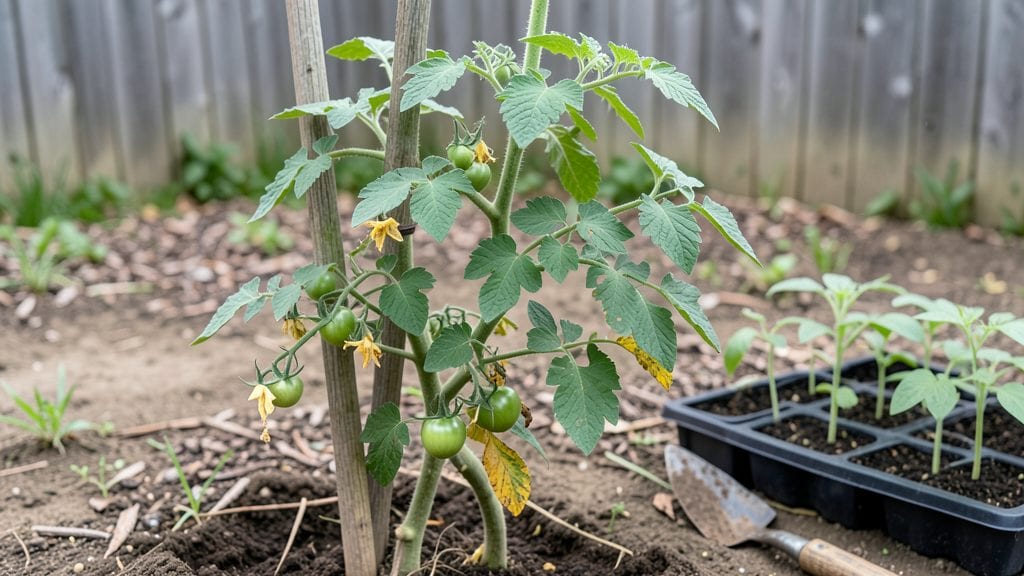
From tomato seed to harvest time, you can grow your own vine-ripened fruit in just three months—if you know the right steps.
Did you know your tomato seeds could transform into juicy, vine-ripened fruit in just 90 days? Mastering this timeline ensures you avoid common pitfalls and maximize your garden’s potential.
Whether you’re starting with tiny seeds or transplanting seedlings, timing is everything. Too much heat too soon, and your plants bolt before fruiting. Too little sun, and they stretch thin, producing weak fruit. The key is balancing warmth, light, and care at each stage.
In this guide, I’ll walk you through the exact week-by-week timeline for a successful harvest, from sprouting to picking plump, ripe 🍅 tomatoes. You’ll learn how to set up your plants for speedy growth, spot problems early, and keep your vines producing all season.

Week-by-week breakdown: tomato seed to harvest timeline
Growing tomatoes from seed to harvest is a rewarding journey that unfolds in just 90 days under ideal conditions. Each phase—from germination to fruit ripening—requires specific care to keep your plants thriving.
By following this week-by-week timeline, you’ll avoid common delays and ensure a bountiful harvest of juicy, vine-ripened tomatoes.
Your timeline starts with seed starting indoors or direct sowing, followed by transplanting after the last frost. The magic happens in the flowering stage, where proper pollination sets the stage for fruit development.
Finally, harvesting at the right moment ensures peak flavor and quality. Let’s break down each critical phase with actionable tips to keep your tomatoes on track.
📅 Week 1-2: Germination – This is where your adventure begins! Plant seeds ½ inch deep in seed-starting mix, keeping soil consistently moist at 70-80°F. Use a humidity dome or plastic wrap to retain moisture. Germination typically takes 5-10 days, but some varieties may sprout faster. Once sprouts emerge, remove the dome and place seedlings in a bright, warm spot with 12-16 hours of light daily.
📅 Week 3-4: Seedling Development – Your seedlings will grow 2-3 inches tall and develop their first true leaves. This is the time to fertilize lightly with a diluted fish emulsion (5-5-5) to encourage strong root growth. Avoid overwatering, as soggy soil can cause damping-off disease. If seedlings become leggy, move them closer to the light source or supplement with grow lights.
📅 Week 5-6: Hardening Off – As spring approaches, it’s time to harden off your seedlings. Gradually expose them to outdoor conditions over 7-10 days, starting with 1-2 hours of sunlight and increasing daily. This process toughens seedlings, preparing them for transplanting. Choose a cloudy day for the first outdoor session to avoid stress from direct sun.
📅 Week 7-8: Transplanting – After the last frost date, transplant seedlings 18-24 inches apart in well-draining soil amended with compost or aged manure. Bury stems up to the first set of leaves to encourage deeper root growth. Water thoroughly after transplanting and apply a mulch layer to retain moisture and suppress weeds. Stake or cage plants now to support their heavy fruit load later.
| Week | Stage | Key Actions | Care Tips |
|---|---|---|---|
| 1-2 | Germination | Plant seeds ½ inch deep | Keep soil moist (70-80°F), use humidity dome |
| 3-4 | Seedling Growth | Fertilize with diluted fish emulsion | Avoid overwatering, provide 12-16 hrs light |
| 5-6 | Hardening Off | Gradually expose to outdoors | Start with 1-2 hrs on cloudy days |
| 7-8 | Transplanting | Plant 18-24" apart, stake/cage | Bury stems to first leaves, mulch |
| 9-10 | Vegetative Growth | Prune suckers, fertilize weekly | Water at soil level, avoid wetting leaves |
| 11-12 | Flowering | Hand-pollinate if needed | Reduce nitrogen, increase phosphorus |
| 13-15 |
Critical factors that speed up or delay tomato harvest timeYour tomato plants' journey from seed to harvest isn't just about time—it's about creating the perfect growing conditions. Temperature swings, sunlight exposure, soil quality, and watering consistency can either accelerate your harvest or push it weeks beyond the 90-day mark. I've grown tomatoes in Zone 6a for years, and I've learned which factors make the biggest difference in speeding up (or slowing down) your yield. Let's start with the most critical factor: sunlight exposure. Tomatoes thrive in full sun (6-8+ hours daily), but even slight shading can delay fruit set by 10-15 days. In my garden, moving plants from partial shade to full sun after transplanting cut their harvest time by nearly two weeks. The key is positioning—south-facing gardens get the best results, while east or west exposures may require supplemental light. Temperature plays a surprising role in harvest timing. Tomatoes grow fastest when daytime temperatures stay between 70-85°F (21-29°C). Below 55°F (13°C), growth nearly stops, while above 90°F (32°C), flowers may drop before setting fruit. I once had a heatwave push back my harvest by three weeks—until I installed shade cloth to protect my plants. Evenings should cool to 60-70°F (15-21°C) for optimal fruit development. Don't underestimate soil quality—poor soil can add 2-3 weeks to your harvest time. Tomatoes need well-draining, nutrient-rich soil with a pH between 6.2-6.8. I test my soil annually and amend it with compost and aged manure before planting. A lack of phosphorus (for root growth) or potassium (for fruit production) will slow your plants down, while too much nitrogen leads to lush foliage but few tomatoes. Watering consistency is another game-changer. Tomatoes need 1-2 inches of water weekly, but uneven moisture causes blossom-end rot or stunted growth. I water mine deeply in the morning to prevent fungal diseases and encourage strong root systems. Drought stress can delay harvest by 10-14 days, while overwatering leads to root rot. Mulching helps maintain even moisture—something I swear by for container-grown tomatoes. Finally, pruning and support affect harvest speed. Indeterminate varieties grow faster when pruned to focus energy on fruit production. I remove suckers (side shoots) weekly and stake my plants to prevent disease. Determinate varieties need less pruning but benefit from caging to keep fruit off the ground. These small adjustments can shave 5-7 days off your harvest timeline. By mastering these factors, you'll transform your tomato plants from slow growers to high-speed harvest machines. Start with sunlight and temperature, then fine-tune soil and watering—your garden will reward you with earlier, healthier tomatoes. Happy growing! 🌱☀️💧 |