Vegetables
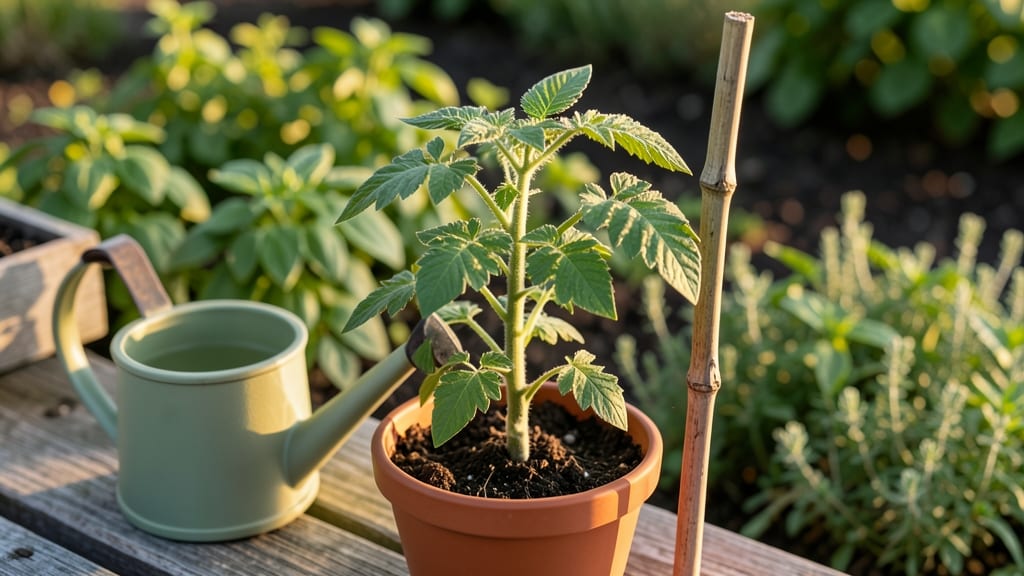
Tomato seedling care starts the moment those first green leaves push through the soil—because weak, leggy seedlings mean a slower harvest and fewer tomatoes.
I’ve nursed dozens of seedlings through the critical first 6 weeks, and the difference between thriving plants and sad, stretched-out failures comes down to three things: light, water, and confidence.
Most beginners overwater or underlight, both of which turn seedlings into sad, spindly sticks. You need a bright spot (or a grow light just 2–3 inches above the seedlings) for 12–16 hours a day, and water only when the top inch of soil feels dry.
Too much water drowns roots; too little stunts growth. The goal is stocky, dark-green stems that can support heavy fruit later.
By day 30, your seedlings should be 6–8 inches tall with 4–6 true leaves, ready to handle the great outdoors. Hardening them off—gradually exposing them to wind and sun over 7–10 days—prevents shock when transplanting.
When you finally set them in the ground, they’ll take off like a rocket, producing fruit in just 60–90 days.
This method works for heirlooms, cherry tomatoes, and beefsteaks alike, whether you’re growing in a greenhouse, on a sunny patio, or in a backyard plot. Let’s turn those fragile sprouts into tomato powerhouses.
📚 In This Guide
- What you need
- Instructions
- Tips and common mistakes
- Wrapping up and next steps
What you need
- ● Seedling containers: 6–8 biodegradable seedling pots (2–3 inches deep) OR
- ● 1 seedling tray with individual cells (12–72 cells, 2–3 inches deep)
- ● High-quality seedling mix: 1 bag (12–18 quarts) sterile, well-draining potting mix (avoid garden soil—it’s too dense!)
- ● Tomato seeds: 1 packet (50–100 seeds) of your favorite heirloom or hybrid variety (determinate or indeterminate)
- ● Watering can or spray bottle: With a gentle, adjustable nozzle (to avoid disturbing seeds)
- ● Grow lights or sunny windowsill: LED grow lights (12–16 hours/day) OR a south-facing window (6+ hours of sunlight)
- ○ Fertilizer (optional but helpful): 1 balanced liquid fertilizer (5-5-5 or 10-10-10) OR a slow-release granular fertilizer
- ● Heating mat ($10–$20) – Speeds up germination (especially for cold climates).
- ● Humidity dome or plastic wrap – Keeps moisture in until seeds sprout.
- ● pH testing kit – Ensures your soil is 6.0–6.8 (tomatoes love slightly acidic soil!).
- ● Small fan – Encourages stronger stems by gently blowing air on seedlings.
- ● Labels & markers – Track varieties and planting dates (trust us, you’ll forget!).
Step-by-Step instructions for tomato seedling care
Here's how to nurture sturdy, disease-resistant seedlings ready for transplanting in just a few weeks.
Provide Optimal Light Conditions
Tomato seedlings need 14-16 hours of light daily to prevent leggy growth. Place them under a full-spectrum grow light positioned 2-4 inches above the plants. If using natural light, a south-facing window may suffice, but supplement with a grow light if seedlings stretch toward the window.
Watch for pale stems and leaves spaced far apart—this signals insufficient light. Adjust the light height weekly as seedlings grow. Avoid placing seedlings near drafts or heat sources, which can stress them. You'll see strong, compact growth when stems are thick and dark green with leaves close together.
Water Consistently Without Overdoing It
Water seedlings when the top inch of soil feels dry to the touch, usually every 2-3 days. Use a spray bottle or watering can with a gentle stream to avoid disturbing the soil. Overwatering causes damping-off, a fungal disease that collapses stems overnight.
Ensure pots have drainage holes to prevent soggy soil. After watering, let excess moisture drain completely. You'll know moisture is right when the soil surface looks slightly damp but not glistening. Avoid wetting leaves, as this encourages disease. Water at the base instead.
Fertilize Lightly for Strong Growth
Start fertilizing 2-3 weeks after germination with a balanced, water-soluble fertilizer diluted to half-strength. Apply every 7-10 days to avoid burning tender roots. Tomatoes are heavy feeders, but seedlings don’t need much at this stage—too much fertilizer causes weak, spindly growth.
Mix fertilizer in a clean spray bottle for even distribution. Water the soil thoroughly before applying to prevent salt buildup. You'll notice darker green leaves and stronger stems within a week of consistent feeding. Stop fertilizing 1-2 weeks before transplanting to let the soil return to a natural state.
Harden Off Seedlings Before Transplanting
Begin hardening off 2 weeks before your last frost date. Place seedlings outside in a sheltered, shaded spot for 1-2 hours the first day, gradually increasing time by 1 hour daily. This acclimates them to wind, sun, and temperature fluctuations.
Watch for wilting or yellowing leaves—this means they’re adjusting too quickly. If this happens, reduce outdoor time and reintroduce them slowly. By day 10, seedlings should tolerate a full day outside without stress. Transplant on an overcast afternoon to minimize shock, and water deeply at the base.
Monitor for Pests and Diseases
Inspect seedlings daily for signs of pests like aphids or spider mites, which thrive on tender new growth. Wipe leaves with a soapy water solution (1 tsp mild soap per gallon of water) if pests appear. Remove any yellowing or spotted leaves immediately to prevent spread.
Prevent damping-off by avoiding overhead watering and ensuring good airflow. If you see blackened stems at the soil line, act fast by removing affected seedlings and treating the soil with a fungicide. Healthy seedlings have bright green leaves, no spots, and firm stems. Keep an eye out for these signs to catch issues early.
Tips & tricks for perfect tomato seedling growth
Here's what I've learned after nurturing dozens of tomato seedlings—these small adjustments make all the difference between leggy, weak plants and robust, thriving seedlings.
The Light Factor: In Step 1, those 14-16 hours of light are non-negotiable for preventing leggy growth. I've found that using a timer for your grow lights saves time and ensures consistency. If you notice seedlings stretching toward the light, it's time to lower the light source—aim for that 2-4 inch distance. For natural light, a south-facing window works best, but supplement with a grow light if your seedlings start leaning toward one direction.
Watering Wisdom: The key in Step 2 is consistency without overdoing it. I've ruined seedlings by both underwatering and overwatering—both lead to the same sad result. Use your finger to check soil moisture at the top inch, and always water at the base. A spray bottle gives you better control than a watering can, especially for small pots. If you see water beading on the leaves, you're overdoing it—wait until the soil surface looks slightly dry.
Fertilizing Finesse: When you start fertilizing in Step 3, remember that less is more. I used to think more fertilizer meant faster growth, but that just led to weak, spindly seedlings. Stick with half-strength balanced fertilizer every 7-10 days, and always water thoroughly before applying. The goal is to build strong roots, not just green leaves. Stop fertilizing 1-2 weeks before transplanting to let the soil return to its natural state—this helps prevent transplant shock.
Harden Off Gradually: The gradual approach in Step 4 is crucial. I've learned the hard way that rushing this process leads to wilting and yellowing leaves. Start with just 1-2 hours on day one, then increase by 1 hour each day. By day 10, your seedlings should be ready for a full day outside. Choose overcast days for the final few sessions—this mimics natural conditions and reduces stress. Transplanting on an overcast afternoon gives your seedlings the best possible start in their new home.
Pro Tips for Tomato Seedling Care
- Here's what I've learned after nurturing dozens of tomato seedlings—these small adjustments make all the difference b...
- The Light Factor: In Step 1, those 14-16 hours of light are non-negotiable for preventing leggy growth. I've found th...
- Watering Wisdom: The key in Step 2 is consistency without overdoing it. I've ruined seedlings by both underwatering a...
Frequently asked questions
Got questions about nurturing your tomato seedlings? You’re not alone! Here are answers to some of the most common concerns—so you can grow confidently from seed to savory harvest.
How often should I water tomato seedlings?
Keep the soil consistently moist (not soggy!) by watering gently every 2–3 days. Seedlings need about 1/2 inch of water per week, but adjust based on heat and humidity. Use a spray bottle or watering can with a fine nozzle to avoid disturbing delicate roots. Pro tip: Water at the base to prevent fungal diseases like damping-off.
When is the best time to transplant seedlings outdoors?
Wait until nighttime temperatures stay above 50°F (10°C) and all frost risk has passed. Most gardeners transplant 4–6 weeks after germination, when seedlings have 2–3 true leaves. Harden them off first by gradually exposing them to outdoor conditions over 7–10 days. Warning: Transplanting too early can shock seedlings and stunt growth.
Why are my tomato seedlings leggy or stretching?
Leggy seedlings happen when they’re craving light. Move them to a sunny window or grow lights immediately—aim for 12–16 hours of light daily. If already planted, bury them deeper (up to the first leaves) to encourage stronger roots. Avoid overcrowding; seedlings need 2–3 inches of space to avoid competing for nutrients.
What should I do if pests like aphids or spider mites attack?
Start with a gentle spray of soapy water (1 tsp mild dish soap per quart of water). For stubborn infestations, use neem oil or introduce beneficial insects like ladybugs. Check the undersides of leaves daily. Prevention tip: Keep your garden clean and avoid over-fertilizing with nitrogen, which attracts pests.
Can I grow tomato seedlings indoors without sunlight?
Yes! Use a grow light (LED or fluorescent) 2–3 inches above seedlings for 12–16 hours/day. Without light, seedlings will grow weak and pale. If natural light is limited, supplement with a timer-controlled bulb. Pro tip: Rotate seedlings daily for even growth.
Wrapping up and next steps
Caring for tomato seedlings is a rewarding journey that sets the stage for a bountiful harvest! 🌱 With the right balance of light, water, nutrients, and patience, you’ll watch those tiny sprouts transform into thriving plants ready to feed your family.
Remember, consistency is key—whether you’re hardening off seedlings or troubleshooting pests, small daily efforts lead to big results.
Now that you’re armed with expert tips, roll up your sleeves and get growing! Ready to plant? Grab your seedlings, find that sunny spot, and let nature do the rest. Happy gardening—your future tomatoes are waiting! 🍅✨