
How To
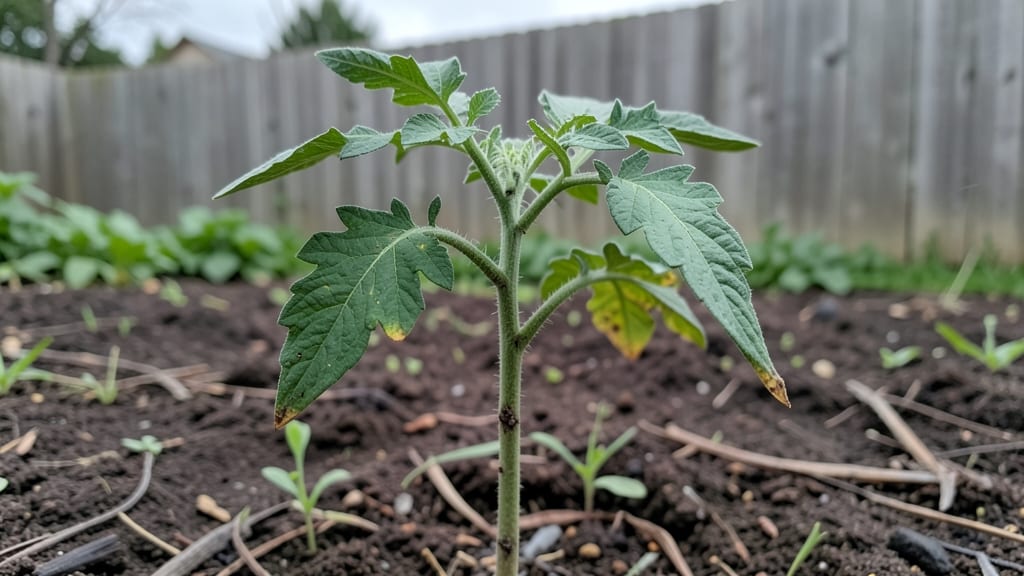
When your tomato seedlings' leaves start curling upward like tiny green question marks, it’s a clear distress signal—one I’ve seen too many times in my own garden. 🌱 The good news? This is almost always fixable, and the solutions are simpler than you might think.
Most gardeners panic when they see this symptom, but with a few targeted checks, you can pinpoint the exact cause and get your seedlings back on track within days.
The most common culprits are easy to rule out: overwatering (which suffocates roots), spider mites (those sneaky pests love curling leaves), or even just a nutrient deficiency like too much nitrogen or not enough phosphorus.
I learned the hard way that checking the soil moisture first saves hours of guesswork—stick your finger in the dirt. If it’s damp more than an inch down, you’re overwatering. If it’s bone-dry, that’s another problem entirely.
Once you’ve identified the issue, the fixes are straightforward: adjust your watering routine, spray neem oil for pests, or give the seedlings a balanced fertilizer.
I’ve revived seedlings from this exact problem by simply moving them to a sunnier spot and trimming the most damaged leaves—it’s shocking how resilient they are when given the right care. The key is acting fast before the stress becomes permanent.
For future seedlings, prevention is your best tool: use well-draining soil, monitor moisture closely, and inspect new plants weekly for pests.
If the curling persists after a week of treatment or you notice black spots or wilting, it might be time to consult a local extension office—they’ve seen it all before. But in most cases, this is a quick fix, not a death sentence for your tomato dreams.
Root Causes Behind Leaf Curls
When your tomato seedlings’ leaves start curling upward like little green question marks, it’s usually a cry for help from the plant. Understanding the why behind this behavior is half the battle—because once you know the trigger, you can act fast to save your crop.
Let’s break down the most common culprits, backed by science, so you can diagnose and fix the issue with confidence.
Tomato seedlings thrive in warm but stable conditions—typically between 70–85°F (21–29°C) during the day and 60–70°F (15–21°C) at night. When temperatures soar above 90°F (32°C) or drop below 50°F (10°C), leaves curl upward as a protective response to reduce water loss and prevent overheating.
- How it happens:
- High heat increases transpiration (water evaporation from leaves), causing cells to lose turgor pressure and fold upward.
- Extreme cold can disrupt cellular metabolism, leading to stiffness and curling.
- Actionable fix:
- Provide shade cloth (30–50% coverage) during peak sun hours if temps exceed 85°F (29°C).
- Use row covers or cold frames to buffer against chilly nights.
- Mulch with straw or grass clippings to regulate soil temperature.
While tomatoes love moisture, soggy roots or waterlogged soil can suffocate seedlings, leading to curled leaves as the plant gasps for air. Curling upward is often a sign of root stress or oxygen deprivation, which weakens the plant’s ability to absorb nutrients.
- How it happens: - Excess water displaces oxygen in the soil, causing anaerobic conditions—roots can’t breathe, leading to ethylene gas buildup, which triggers curling. - Compacted or clay-heavy soil holds too much water, slowing root growth. - Actionable fix: - Test your soil: Stick a finger 1–2 inches deep—if it’s damp, wait to water.
Tomato seedlings prefer slightly dry soil between waterings. - Improve drainage by amending soil with perlite, vermiculite, or compost (aim for a loamy texture). - Water deeply but less frequently—focus on the root zone, not the leaves, to avoid fungal issues.
Some of the most sneaky culprits behind upward-curling leaves are pests that feed on sap, weaken the plant, or inject toxins. Common offenders include:
- Aphids 🐜
- Spider mites 🕷️
- Whiteflies ✈️
- Tomato hornworms 🐛
- How it happens:
- Sap-sucking pests (like aphids) remove nutrients and inject saliva, causing leaves to curl and pucker as a defense mechanism.
- Chewing pests (like hornworms) damage leaf edges, leading to upward rolling to protect vulnerable tissue.
- Actionable fix:
- Inspect leaves daily—look for sticky residue (honeydew), tiny webs, or uneven holes.
- Blast pests off with a strong spray of water (early morning works best).
- Use neem oil (1 tsp per quart of water) or insecticidal soap for organic control.
- Introduce beneficial insects like ladybugs or lacewings to prey on pests naturally.
Tomato seedlings are hungry little powerhouses, and when their nutrient needs aren’t met, leaves curl as a distress signal.
The most common deficiencies linked to upward curling are: - Nitrogen (N) deficiency → Yellowing leaves (chlorosis) + curling - Potassium (K) deficiency → Brown leaf edges + weak stems - Calcium (Ca) deficiency → Blossom-end rot (later stage) + stunted growth
- How it happens: - Too much nitrogen can burn roots, while too little weakens the plant’s structure. - Imbalanced pH (soil too acidic or alkaline) locks out nutrients, even if they’re present. - Actionable fix: - Test your soil (a simple DIY kit or lab test works).
Ideal pH for tomatoes: 6.0–6.8. - Feed seedlings with a balanced fertilizer (e.g., 10-10-10 or 5-5-5) every 2–3 weeks. - Side-dress with compost or fish emulsion for a slow-release nutrient boost. - Avoid over-fertilizing—more isn’t better! Burnt roots can worsen curling.
Young tomato seedlings have delicate stems that can’t handle strong winds or rough handling. When leaves curl upward, it’s often their way of minimizing surface area to reduce wind damage or recover from transplant shock.
- How it happens:
- High winds cause desiccation (water loss) and physical bending, triggering a defensive curl.
- Transplant shock (moving seedlings too soon) can disrupt root systems, leading to temporary curling.
- Actionable fix:
- Stake or cage seedlings early to support weak stems (even 6-inch stakes help!).
- Use windbreaks like burlap screens or corn stalks in exposed areas.
- Water deeply after transplanting to reduce shock and encourage root growth.
While less common in seedlings than mature plants, fungal diseases like early blight or bacterial spot can cause leaves to curl, yellow, and develop spots. These pathogens thrive in humid, poorly ventilated conditions.
- How it happens:
- Overhead watering splashes spores onto leaves, leading to infection.
- High humidity (above 75%) + warm nights create perfect conditions for fungal growth.
- Actionable fix:
- Water at the base (never overhead) to prevent spore spread.
- Space seedlings properly (12–18 inches apart) for air circulation.
- Apply copper fungicide or baking soda spray (1 tsp baking soda + 1 quart water + a drop of dish soap) as a preventive measure.
Before diving into complex fixes, check these quick fixes:
- Move seedlings to a shadier spot if leaves are scorched or crispy.
- Let the soil dry out if it’s soggy—stick your finger in to test.
- Rinse leaves with water to dislodge pests before treating.
Most upward-curling issues are fixable with the right diagnosis. Start with the most likely culprit (heat, water, or pests) and work your way down the list! 🚀
Quick fixes for curling tomato leaves
Now that you’ve identified the culprit behind your tomato seedling’s upward-curling leaves, it’s time to roll up your sleeves and take action! 🌱 The good news? Most of these fixes are simple, cost-effective, and can be done in minutes.
Below, we’ve mapped out practical solutions for each common cause, along with prevention tips to keep your seedlings thriving.
If your seedlings are drowning in soggy soil, their leaves curl upward as a distress signal. Here’s how to rescue them:
Step 1: Let the Soil Dry Out
- 👨🍳 Gently remove the seedling from its pot and inspect the roots. If they’re mushy or black, you’ve got root rot brewing.
- 🥘 Place the pot in a dry, shaded spot for 24–48 hours to allow excess moisture to evaporate.
Avoid direct sunlight, which can stress the plant further.
Step 2: Improve Drainage
- ⏰ Repot into fresh, well-draining soil mixed with perlite or vermiculite (aim for a 50/50 blend). Avoid compacted or heavy garden soil.
- 🔪 Poke drainage holes in the bottom of the pot if they’re missing—this is non-negotiable for seedlings!
Step 3: Adjust Your Watering Habits
- 💡 Water only when the top inch of soil feels dry to the touch. Stick your finger in—if it’s damp, wait.
- 🎯 Use a moisture meter for precision, especially in humid climates. Overwatering is the #1 killer of seedlings!
Prevention Tip: 🌡️ Bottom-water your seedlings by placing the pot in a tray of water for 10–15 minutes. This gives roots control over hydration and reduces soggy soil.
If your leaves are curling upward due to thirst or scorching heat, hydration and shade are your best friends.
Step 1: Hydrate Deeply
- 👨🍳 Water the soil thoroughly until it’s moist 2–3 inches down. Avoid sprinkling leaves, which can encourage fungal diseases.
- 🥘 For extreme cases, mist the leaves lightly (early in the day) to provide temporary relief, but focus on soil moisture long-term.
Step 2: Shield from Heat
- ⏰ Move seedlings to a cooler location, like a shaded patio or under a sheer cloth.
Direct sun can spike temperatures and dry out soil quickly. - 🔪 If outdoors, use shade cloth (30–50%) or a temporary row cover to protect them from midday sun.
Step 3: Boost Humidity (Temporarily)
- 💡 Place a tray of water near the seedlings or use a humidifier if growing indoors. This mimics their natural environment and slows moisture loss.
- 🎯 Avoid plastic bags—they can trap too much heat and promote mold.
Prevention Tip: ✨ Water in the early morning so leaves dry before evening. This prevents fungal issues while keeping roots hydrated.
Tomato seedlings are sensitive to sudden temperature drops or harsh winds. Here’s how to create a cozy environment:
Step 1: Regulate Temperature
- 👨🍳 Keep seedlings in a range of 60–75°F (15–24°C). Use a heat mat (for indoor starts) or move pots to a sheltered spot outdoors.
- 🥘 Avoid cold drafts from windows, doors, or AC vents. Tomato seedlings hate chilly feet!
Step 2: Windproof Your Seedlings
- ⏰ If outdoors, create a windbreak using a cardboard barrier, a temporary fence, or even a large cardboard box with slits for airflow.
- 🔪 For container gardens, place pots in a cluster to reduce exposure.
Step 3: Acclimate Gradually
- 💡 If hardening off seedlings, do it slowly—start with 1–2 hours of outdoor exposure per day, increasing time over 7–10 days.
- 🎯 Avoid nighttime hardening off if temperatures drop below 50°F (10°C).
Prevention Tip: 🌡️ Use a mini greenhouse or cloche for young seedlings to trap heat and protect from wind. Remove it once they’ve developed 2–3 true leaves.
Too much or too little food can throw your seedlings off balance. Let’s get their diet right!
Step 1: Flush the Soil
- 👨🍳 If over-fertilized, water the soil generously with plain water for 2–3 days to leach out excess salts.
- 🥘 For nutrient deficiencies, hold off on fertilizing for 1–2 weeks to let the plant recover.
Step 2: Feed Lightly
- ⏰ Use a balanced, water-soluble fertilizer (like 5-5-5 or 10-10-10) diluted to half strength. Over-fertilizing burns tender roots.
- 🔪 For nitrogen deficiency, try a fish emulsion or compost tea—these release nutrients slowly.
Step 3: Check pH Levels - 💡 Test your soil pH (ideal range: 6.0–6.8).
Use a vinegar or baking soda test for a quick DIY check: - Add 1 tbsp vinegar to ½ cup soil + water → fizzing = alkaline soil (add peat moss). - Add 1 tsp baking soda to ½ cup soil + water → fizzing = acidic soil (add lime). - 🎯 Adjust pH gradually—sudden changes shock roots.
Prevention Tip: 📊 Start with a slow-release fertilizer (like Osmocote) when transplanting. This prevents spikes in nutrients that stress seedlings.
If tiny invaders or pathogens are to blame, act fast to save your seedlings!
Step 1: Identify the Culprit
- 👨🍳 Check leaves for:
- Fungal spots (yellow/brown patches).
- Caterpillars (chewed leaves, frass).
Step 2: Treat Naturally
- ⏰ For pests:
- 🔪 Introduce beneficial insects like ladybugs or lacewings.
Step 3: Prevent Future Outbreaks
- 🎯 Rotate crops annually to break disease cycles.
- ✨ Use reflective mulch (like aluminum foil) to deter pests like flea beetles.
- 💡 Monitor daily—healthy leaves should unfurl within 3–7 days of fixing the issue. If not, reassess the cause.
- 🌡️ Avoid stress triggers like sudden temperature swings or overcrowding.
- 🎯 Prune damaged leaves to redirect energy to new growth (use clean scissors).
- ✨ Keep a seedling journal to track conditions (water, light, pests) and spot patterns.
Remember: Patience is key! Seedlings bounce back faster than you think—just give them the right conditions, and those curled leaves will soon be reaching for the sky. 🌿💪
Frequently asked questions
Why do tomato seedling leaves curl upward instead of downward?
Upward curling is different from downward curling (often caused by overwatering). When leaves curl upward, it’s usually a response to heat stress, dry soil, or pest damage—the plant tries to minimize water loss by reducing surface area. Unlike downward curling (which signals root rot), upward curling often means your seedlings need more shade or less wind exposure.
How quickly should I expect curled leaves to unfurl after fixing the issue?
With the right care, you’ll often see improvement within 3-7 days. Mild cases (like heat stress) may recover faster, while severe pest infestations or nutrient deficiencies could take up to 2 weeks. Monitor daily—if leaves stay curled after a week of treatment, reassess the cause (it might be fungal disease or transplant shock).
Can I still save tomato seedlings if their leaves are severely curled and yellowing?
It depends on the cause. If the issue is overwatering or pests, you can often revive them with proper care. However, if leaves are blackened, mushy, or covered in spots, the damage may be permanent. In that case, focus on preventing the problem with your next batch—use well-draining soil and regular inspections.
Will pruning curled leaves help my tomato seedlings recover?
Yes, but only if the damage isn’t severe. Prune only the most curled or damaged leaves with clean scissors to redirect the plant’s energy to healthier growth. Avoid cutting more than 20% of the foliage at once—this can stress the seedling further. Focus on fixing the root cause (water, pests, or light) while pruning lightly.
Are there any organic sprays that can prevent upward curling in tomato seedlings?
For pest prevention, try a weekly spray of neem oil (1 tsp per quart of water) or garlic spray (blended garlic + water). For heat stress, mist leaves lightly in the morning with water (avoid evening to prevent fungal growth). If nutrient deficiency is the issue, a diluted fish emulsion (every 2 weeks) can help without overloading roots.