
Planting
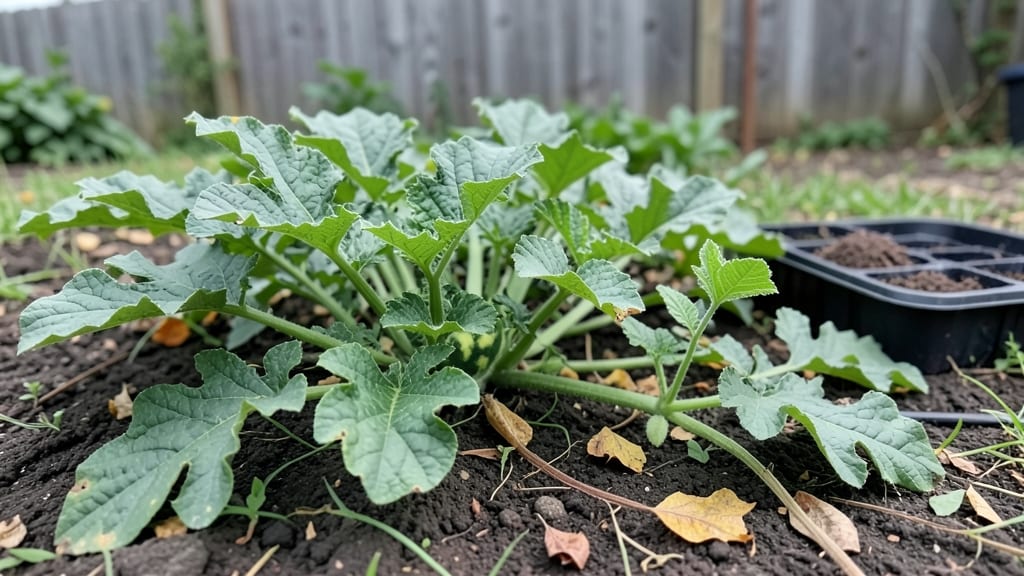
Proper watermelon seed spacing starts with 2-inch-deep holes spaced 6 feet apart in rows that sit 5–6 feet apart—this isn’t just a rule, it’s the difference between a handful of small melons and a vine-heavy harvest. 🌱 I learned the hard way when my first attempt crammed seeds too close, leading to stunted growth and bitter fruit.
The right spacing gives roots room to spread and vines space to climb, which means bigger, sweeter melons by summer’s end.
You’ll need fertile, well-draining soil with a pH between 6.0 and 7.0, worked up to 12 inches deep before planting. A handful of compost mixed into the planting holes gives seedlings a nutrient boost right from the start.
Watermelons are heavy feeders, so don’t skimp—think of it like giving your plants a head start toward that 50-pound harvest you’re dreaming of.
Once planted, keep soil consistently moist but never soggy—watermelon roots need oxygen to thrive. Thin seedlings to one per hill after they’ve sprouted their first true leaves, and watch as those vines stretch toward the sun.
Proper airflow between plants prevents disease, and the right spacing ensures every melon gets enough energy to ripen fully. By mid-summer, you’ll be harvesting jewel-toned, crisp-fleshed watermelons that put store-bought varieties to shame.
This method works for both small-space gardens (use trellises) and sprawling backyard plots. The key is patience—watermelons take 80–100 days to mature, but the payoff is worth every inch of space. Now, let’s get those seeds in the ground!
📚 In This Guide
- What you need
- Instructions
- Tips and common mistakes
- Wrapping up and next steps
What you need
- ● Watermelon seeds: Choose high-quality, disease-resistant varieties. Aim for 1-2 seeds per hill (or 1 seed per spot if direct-sowing). Seed packets typically contain 20-50 seeds.
- ● Well-draining soil: A mix of 60% topsoil, 30% compost, and 10% perlite or sand works best. Test soil pH (ideal range: 6.0–6.8).
- ● Planting containers or garden bed: For containers: Use pots at least 12–18 inches deep and wide (1–2 seeds per container).
- ● For garden beds: Allocate 3–6 square feet per plant, depending on variety (larger for giant types).
- ● Organic mulch: Straw or shredded leaves (2–3 inches thick) to retain moisture and suppress weeds.
- ● Watering can or hose with a gentle spray nozzle: Avoid disturbing seeds during watering.
- ● Hand trowel or transplanting spade: For digging small holes (½–1 inch deep).
- ● Measuring tape or ruler: To maintain precise 24–36 inch spacing between seeds/hills.
- ○ Gloves (optional but recommended): Protects hands from soil and thorns (if handling mature plants).
- ● Stakes or trellis (for vining varieties): 4–6 ft tall to support climbing watermelons (e.g., 'Sugar Baby').
- ● Warm soil: Wait until soil temperature reaches 70°F+ (use a soil thermometer if needed).
- ● Sunlight: Ensure full sun (6–8+ hours daily)—watermelons are sun-worshippers! 🌞
- ● Last frost date: Plant 2–3 weeks after the last frost in your area.
- ● Seedling trays for indoor starts (if sowing early).
- ● Slow-release fertilizer (e.g., 10-10-10) or compost tea for a nutrient boost.
- ● Row covers to protect young plants from pests.
- ● Pruning shears for managing vines later in the season.
Precision planting for watermelon seed spacing
Here’s how to space watermelon seeds like a pro for healthy vines and plump fruit.
🌱 Step 1: Prepare the Soil and Mark Planting Spots
Watermelons need 6-8 feet of space between plants to sprawl comfortably. Start by tilling the soil to a depth of 12 inches, breaking up any clumps and removing rocks or debris. This ensures roots can spread easily without competition.
Use a wooden stake or spray paint to mark planting spots 6-8 feet apart in rows. If your space is limited, opt for bush varieties and reduce spacing to 4-5 feet. I like to draw a simple grid on the ground to visualize the layout—this prevents overcrowding later.
🌱 Step 2: Plant Seeds at the Right Depth and Spacing
Plant 2-3 seeds per hole at a depth of 1 inch, since germination rates can be uneven. Space holes 6-8 feet apart in rows that are 5-6 feet apart. If you’re using bush varieties, tighten spacing to 4-5 feet between plants and rows.
Cover the seeds lightly with soil and press down gently to ensure good seed-to-soil contact. Water the area lightly right after planting—just enough to moisten the soil without disturbing the seeds. Overwatering here can wash them away or create a soggy environment that invites rot.
☀️ Step 3: Thin Seedlings to One Strong Plant
Once seedlings emerge and develop 2-3 true leaves (about 2-3 weeks after planting), thin them to the strongest plant per spot. Snip the weaker stems at the base with clean scissors—don’t pull, or you’ll disturb the roots of the remaining plant.
Thinning ensures each watermelon has enough space to grow large, healthy vines and plump fruit. If you left multiple seeds, you’ll end up with stunted, crowded plants that compete for nutrients and light. Watch for yellowing leaves or leggy growth—these are signs of overcrowding.
💧 Step 4: Maintain Spacing with Proper Watering and Support
Watermelons need 1-2 inches of water per week, delivered at the base of the plant to avoid wetting leaves (which spreads disease). Use drip irrigation or soaker hoses to keep moisture consistent—never overhead water once vines start spreading.
As vines grow, train them along trellises or stakes if needed, but leave plenty of room for sprawling. Bush varieties can handle tighter spaces, but standard vining types will suffer if cramped. You’ll know spacing is right when vines stretch 3-4 feet long without tangling.
✂️ Step 5: Monitor and Adjust for Optimal Growth
Check spacing every 2-3 weeks as vines grow. If leaves start touching, prune back excess growth to maintain airflow. Remove any weak or diseased vines immediately—they drain energy from the healthy plant.
By mid-season, you should see healthy, sprawling vines with plump fruit developing. If plants look crowded, thin additional shoots or redistribute plants if possible. Proper spacing now means fewer pests, better pollination, and sweeter melons come harvest time.
Tips & tricks for perfect watermelon plant spacing
Getting the spacing right is what separates a decent watermelon harvest from a truly spectacular one. Here's what I've learned after years of trial and error in the garden.
Soil Prep Secret: Before marking your planting spots in Step 1, take a moment to test your soil drainage. Dig a small hole, fill it with water, and if it doesn't drain within an hour, amend with compost or sand. Watermelons hate soggy roots—proper drainage is more important than most gardeners realize. I've seen plants with perfect spacing still fail because of poor drainage.
Visual Spacing Hack: In Step 1, when marking your 6-8 foot spacing, use a garden hose to create a gentle curve between plants. This natural shape gives vines room to sprawl without tangling. For bush varieties, I make tighter circles—this helps visualize the compact growth pattern right from planting.
Thinning Timing Tip: The 2-3 week window for thinning in Step 3 is actually flexible based on your climate. In hotter regions, you might need to thin sooner (around 2 weeks), while cooler areas can wait up to 4 weeks. Look for the strongest seedling with the most vibrant leaves—this one will give you the best fruit. I always thin on a cloudy day to reduce stress on the remaining plants.
Watering Wisdom: That 1-2 inch weekly water guideline in Step 4 is a baseline, but adjust based on rainfall. Use your finger to check soil moisture—if the top 2 inches are dry, it's time to water. Morning watering prevents fungal diseases, and drip irrigation at the base keeps leaves dry. I've seen watermelons develop powdery mildew from overhead watering, even with proper spacing.
Pro Tips for Watermelon Seed Spacing
- Getting the spacing right is what separates a decent watermelon harvest from a truly spectacular one.
- Soil Prep Secret: Before marking your planting spots in Step 1, take a moment to test your soil drainage.
- Visual Spacing Hack: In Step 1, when marking your 6-8 foot spacing, use a garden hose to create a gentle curve between plants.
Frequently asked questions
Got questions about spacing watermelon seeds like a pro? You’re in the right place! Here are answers to the most common queries—because even experts need a little guidance now and then.
What’s the ideal distance between watermelon seeds?
For standard varieties, space seeds 12–24 inches apart in rows that are 5–7 feet apart. If you’re growing large-fruited varieties (like Sugar Baby or Crimson Sweet), lean toward the wider end of the range (18–24 inches). Tight spacing leads to competition, while too much room wastes space!
When is the best time to plant watermelon seeds?
Watermelons thrive in warm soil—wait until the last frost date has passed and soil temps are at least 70°F (21°C). In cooler climates, start seeds indoors 4–6 weeks before transplanting or use black plastic mulch to warm the soil faster. Never plant in cold, wet soil!
Can I plant watermelon seeds too close together?
Yes, but it’s a recipe for smaller, misshapen fruits and pests/diseases spreading faster. Overcrowded plants also compete for nutrients, weakening vines. If you’ve already planted too close, thin seedlings to the recommended spacing when they’re 2–3 inches tall—gently, to avoid damaging roots!
Do I need to soak watermelon seeds before planting?
Soaking seeds for 4–6 hours in warm water can speed up germination, especially in dry climates. Optional but helpful! Skip this step if your soil is consistently moist. Pro tip: Use a paper towel to wrap seeds for a quick germination test—if most sprout in 2–3 days, your seeds are viable!
What if my watermelons aren’t growing despite proper spacing?
Check these 3 culprits first:
- Poor soil: Watermelons need well-draining, fertile soil (pH 6.0–7.0). Amend with compost or a balanced fertilizer.
- Insufficient sunlight: They need full sun (6–8+ hours/day). Move plants if shaded.
- Water stress: Keep soil consistently moist (1–2 inches deep) but avoid soggy roots.
Wrapping up and next steps
Mastering watermelon seed spacing is your secret weapon for a thriving garden! 🌱 By following the right techniques—whether it’s hill planting or row spacing—you’ll enjoy juicy, healthy fruit while minimizing competition. Now that you’re armed with the best practices, it’s time to roll up your sleeves and plant!
Ready to take the next step? Sketch a planting map based on your garden layout, mark your seed locations, and set a reminder for your first thinning or trellising session. Happy growing—your future harvest (and taste buds) will thank you! 🍉✨