
Advice
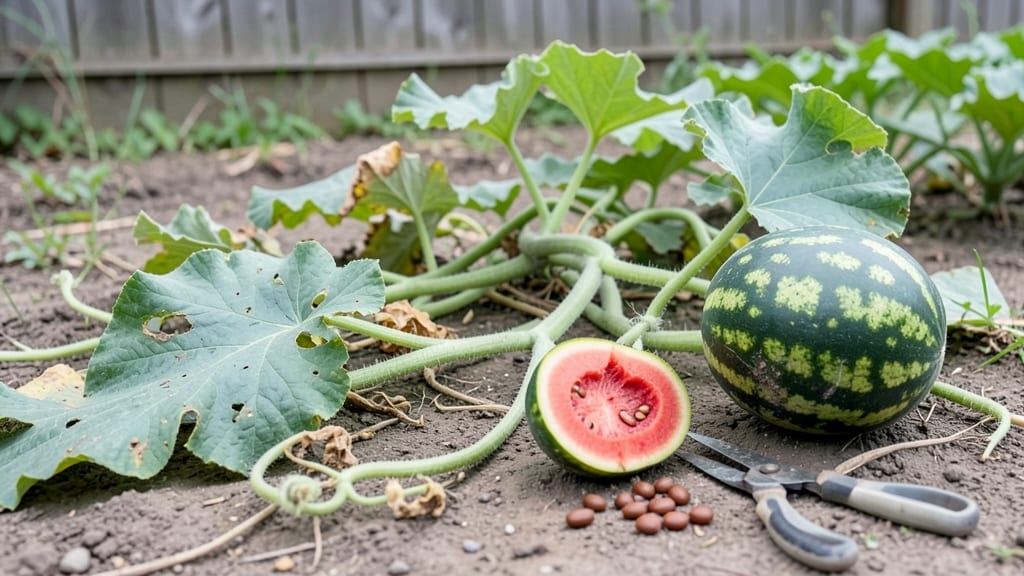
Watermelon seeds turning brown isn’t just cosmetic—it’s your plant’s way of signaling trouble before spoilage sets in. 🌱 I’ve pulled dozens of watermelons from vines only to find seeds darkening like old pennies, and I learned the hard way that ignoring this means wasted effort.
The causes range from overripe fruit to fungal creep or simply seeds aging out, but the good news? Most cases are fixable before your harvest turns bitter.
First, check the seed’s age—old seeds brown faster, and their germination drops below 50% after two years. If the fruit itself was left on the vine too long, those seeds may carry mold or rot that spreads to new plants.
Even worse, brown seeds can signal seedling blight if you try to save them, meaning your next crop might fail before it starts.
The fix starts with proper storage: dry seeds fully, keep them in a cool, dark place, and test a few in damp paper towels to see if they still sprout.
What you’ll end up with is a reliable seed supply that stays vibrant and viable for seasons to come. Fresh seeds should stay creamy white or pale yellow—any brown or black speckling means it’s time to toss them or treat the fruit before saving.
The payoff? Stronger seedlings, healthier vines, and watermelons that stay sweet and crisp instead of mealy or moldy. Here’s how to spot the difference and keep your seeds working for you.
This works for home gardeners, seed savers, and even market growers who want to avoid wasted batches. Whether you’re dealing with a single overripe melon or a whole harvest, the same principles apply—test, store, and replant with confidence. Let’s get those seeds back to their best.
The Science Behind Seed Darkening
If your watermelon seeds have turned brown, don’t panic—it’s usually a sign of natural processes or environmental factors at play. Understanding the root causes can help you prevent it or address it effectively. Below, we break down the key reasons why watermelon seeds darken, backed by science and actionable insights.
Watermelon seeds naturally darken as they mature, thanks to a process called phenolic oxidation. When seeds age, their cell walls break down, releasing compounds like tannins and melanins, which react with oxygen and turn brown.
This is especially common in heirloom or older seed varieties, where the outer seed coat contains higher levels of these pigments.
💡 Pro Tip: If you’re saving seeds from a ripe watermelon, expect some darkening over time—it’s a normal part of the seed’s lifecycle. Store them in a cool, dry place (below 60°F) to slow the process.
Excess moisture is a silent enemy of seed freshness. When watermelon seeds absorb too much humidity, they can develop fungal or bacterial growth, leading to discoloration. Fungi like Aspergillus or Penicillium thrive in damp conditions, producing brown or black spots as they metabolize the seed’s nutrients.
🔍 Signs to Watch For:
- Fuzzy or slimy texture on seeds
- Musty or sour smell
- Softening of the seed coat
If you notice these, the seeds may be spoiling—discard them to avoid contamination.
High temperatures accelerate seed darkening through enzymatic browning. Enzymes like polyphenol oxidase (PPO) in the seed coat react with phenolic compounds when exposed to heat, triggering a Maillard reaction (the same process that browns toast or seared meat).
This is why seeds left in a warm, humid environment or near a heat source (like a stove or sunlight) turn brown faster.
🌡️ Prevention Tips:
- Store seeds in an airtight container with a desiccant packet to absorb moisture.
- Avoid storing seeds near the fridge or oven—opt for a pantry corner away from heat sources.
- If seeds are already brown from heat, they’re likely non-viable for planting.
Certain storage materials can trigger browning reactions. For example, seeds stored in paper bags or plastic containers without ventilation may absorb odors or chemicals from the environment, like ethylene gas (released by fruits and vegetables), which speeds up ripening and discoloration. Even residual cleaning agents on containers can react with seed oils, causing brown stains.
✨ Storage Hack: Use glass jars with tight-sealing lids or food-grade buckets lined with parchment paper to minimize chemical exposure. Label containers with the harvest date to track freshness.
Now that you know the culprits, the next step is how to stop it—but first, let’s tackle the most common fix: reviving seeds before they spoil.
Fixing Brown Watermelon Seeds Fast
Now that you know why your watermelon seeds are turning brown—whether from moisture, oxidation, pests, or improper storage—let’s tackle the fixes. The good news? Most solutions are simple, cost-effective, and can save your seeds (and your melon’s flavor) before spoilage sets in.
Below, we’ve mapped practical fixes to each cause, plus prevention tips to keep future seeds fresh and vibrant.
Problem: Excess humidity or trapped moisture triggers mold or bacterial growth, causing discoloration and sliminess.
🧼 Clean and Dry the Seeds Immediately
- Remove affected seeds 🔪: Use a spoon or tweezers to scoop out any seeds with brown spots or mold. Discard them in a sealed bag—do not compost if mold is present.
- Rinse the rest 🚿: Soak clean seeds in cool water for 5–10 minutes to remove residue. Gently rub between fingers to dislodge debris.
- Pat dry thoroughly 🧻: Spread seeds on a clean paper towel or wire rack in a well-ventilated area (avoid direct sunlight).
Let them air-dry for 4–6 hours or until completely dry to the touch.
🌡️ Store Properly to Prevent Moisture
- Use silica gel packets 📦: Place 1–2 in your seed storage container (like a mason jar) to absorb excess moisture.
- Choose the right container 🥫: Opt for airtight, food-grade containers (glass or BPA-free plastic).
Avoid plastic bags—they trap moisture. - Keep seeds in a cool, dark place ❄️: A pantry or fridge (not the freezer) is ideal. Never store near the stove or fridge door, where temps fluctuate.
💡 Pro Tip: If seeds smell musty or feel damp after drying, freeze them for 24 hours to kill any lingering mold spores before storing.
Problem: Exposure to air and light speeds up oxidation, turning seeds dull or brownish over time.
🛡️ Preserve Freshness with These Tricks
- Toast lightly to slow oxidation 🔥: Spread seeds on a baking sheet and toast in a 200°F (93°C) oven for 10–15 minutes. This removes excess moisture and extends shelf life.
- Store in an oxygen absorber 🌬️: Place an oxygen absorber packet (available online or at bulk-food stores) in your seed container to block air exposure.
- Vacuum-seal for long-term storage 🎯: Use a vacuum sealer to remove all air before sealing.
Label with the date—seeds last 1–2 years this way.
⏰ Know When to Use or Toss
- For cooking: Brown seeds are safe to eat if they’re dry and smell fresh. Toast them to enhance flavor!
- For planting: If seeds are hard, shriveled, or fail a float test (drop in water—good seeds sink), discard them.
Problem: Weevils, beetles, or mites burrow into seeds, leaving brown frass (insect droppings) and tunnels.
🚫 Eliminate Pests in 3 Steps
- Freeze seeds for 48 hours ❄️: Place seeds in a sealed bag and freeze. This kills eggs and adult pests.
- Heat-treat in the oven 🔥: Spread seeds on a tray and bake at 140°F (60°C) for 1 hour.
This sterilizes without cooking them. 3. Inspect storage areas 🕵️: Check for pests in your pantry or fridge. Use diatomaceous earth (food-safe) or bay leaves (natural repellent) in storage containers.
🛡️ Prevent Future Infestations
- Buy seeds in small quantities 📦: Larger bags attract pests faster.
- Store seeds with natural deterrents 🌿: Add cloves, cedar blocks, or dried lavender to your storage container.
- Check new seeds 🔍: Before storing, inspect for tiny holes or dark specks—signs of pests.
Problem: Seeds from a rotting or overripe watermelon may absorb decay, turning brown or mushy.
🍉 Rescue the Seeds (If Still Edible)
- Separate good from bad 🔍: Discard any seeds embedded in soft, discolored flesh or with a foul odor.
- Rinse and dry thoroughly 🚿: Even if the fruit was spoiled, seeds can be cleaned and dried as above to remove residue.
- Toast for safety 🔥: Lightly toast cleaned seeds to kill any bacteria (150°F/65°C for 10 minutes).
🚨 When to Toss the Whole Batch
- If seeds are mushy, fermented-smelling, or covered in mold, do not eat or plant them. Spoilage spreads quickly.
Don’t let discoloration go to waste!
Try these practical hacks: - Roasted snack mix 🥜: Toss with nuts, honey, and spices for a crunchy treat. - Garden fertilizer 🌱: Dry seeds completely, then crush into compost (if no mold). - DIY soap or scrub 🧼: Mix with coconut oil and baking soda for an exfoliating scrub.
Final Reminder: Most brown seeds are harmless if dry and stored properly, but moldy or slimy seeds should always be discarded. With these fixes, you’ll keep your seeds fresh, flavorful, and pest-free for months! 🎉
Frequently asked questions
Are brown watermelon seeds safe to eat?
Yes, if they're dry and smell fresh! Brown seeds are often just mature or lightly toasted, making them great for snacking. Just avoid any that feel slimy or have a musty odor—those may indicate mold or spoilage. For extra flavor, lightly toast them in the oven at 300°F (150°C) for 5-8 minutes with a pinch of salt.
Can I still plant watermelon seeds that turned brown?
Maybe! Test viability first by placing 5-10 seeds in damp paper towels for 3-5 days. If most sprout, they're good to plant. Brown seeds from natural aging often still germinate, but discard any that feel mushy or show mold. For best results, store seeds in a cool, dry place with silica gel packets.
Why do store-bought watermelon seeds stay white while homegrown ones turn brown?
Store-bought seeds are typically processed and dried immediately after harvest to prevent oxidation. Homegrown seeds often sit in the fruit longer, exposing them to moisture and air that triggers browning. The difference comes down to processing speed—fresh seeds oxidize faster when left in humid conditions.
How long can I store brown watermelon seeds before they lose viability?
Properly stored brown seeds last 1-2 years for planting, but viability drops significantly after 24 months. Store them in an airtight container with a desiccant packet in a cool, dark place (below 60°F/15°C). For longer storage, vacuum-seal them or freeze for up to 5 years. Test germination annually if keeping seeds long-term.
Can I prevent my watermelon seeds from browning in the future?
Harvest seeds when the fruit is fully ripe but still firm, then dry them completely in a shady, well-ventilated area for 3-5 days. Store in a sealed container with silica gel packets or an oxygen absorber. Avoid plastic bags—they trap moisture. For extra protection, lightly toast seeds at 200°F (93°C) for 10 minutes before storing.