
Lawn
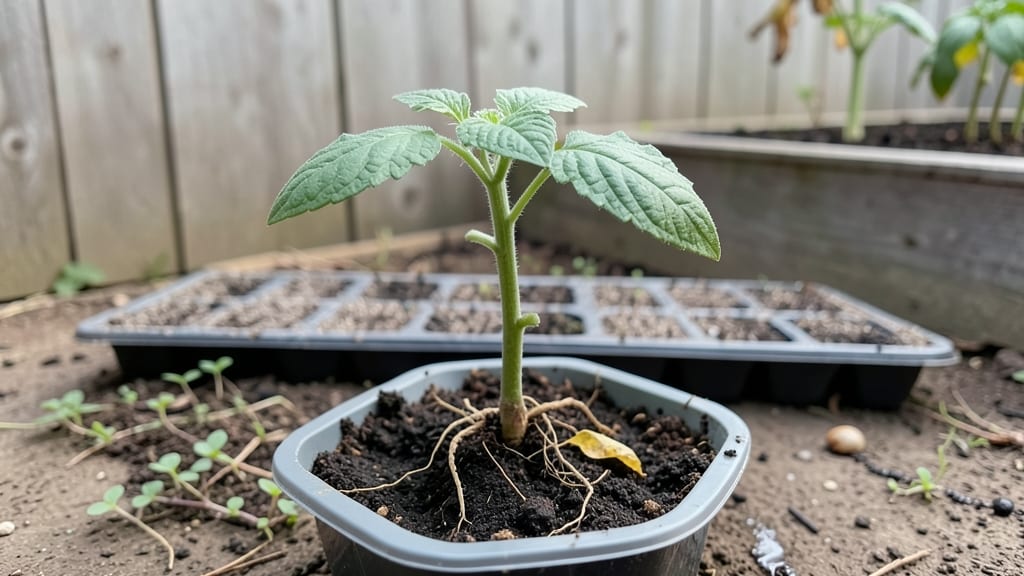
Weather for seed planting determines success: most cool-season crops thrive in soil temperatures between 40°F and 65°F, while warm-season plants need 60°F–90°F. Check local frost dates and moisture levels before sowing for optimal germination.
Getting the weather right for seed planting isn't just about timing—it's about creating the perfect conditions for seeds to break dormancy and sprout consistently. 🌱 Cool-season crops like spinach and peas actually germinate better in cooler soil because their metabolic processes slow down heat stress, while warm-season favorites like peppers and cucumbers need consistent warmth to activate their enzymes.
I always recommend planting cool-season crops 4-6 weeks before your last frost date, while warm-season seeds should wait until the soil stays above 60°F for at least a week. Even a few degrees off can mean the difference between lush seedlings and wasted seeds.
Beyond temperature, pay attention to moisture consistency—seeds need steady dampness to stay hydrated without becoming waterlogged. A soil thermometer (around $15) is my go-to tool for tracking conditions, and I've found that planting in the early morning or late afternoon helps prevent rapid moisture evaporation in hot climates.
The key is matching your planting schedule to both short-term forecasts and long-term seasonal patterns—something weather apps like Old Farmer's Almanac can help with.
💡 In This Article
- How Soil and Air Temperatures Affect Seed Germination
- Best Weather Conditions for Planting Different Seed Types
How soil and air temperatures affect seed germination
Seeds germinate through a complex biochemical process where enzymes activate to break down stored nutrients, but this process is highly temperature-sensitive. For cool-season crops like lettuce and peas, soil temperatures between 40°F and 65°F trigger optimal enzyme activity while preventing protein denaturation that occurs above 70°F.
The seed's embryo requires precise warmth to initiate cell division—too cold slows metabolism, while too hot causes irreversible damage to cellular membranes. 🌱
Warm-season plants like tomatoes and beans have evolved to thrive in 60°F–90°F soil, where their enzymes function most efficiently. For example, tomato seeds germinate at a rate of 90% within 7-10 days at 75°F, but drop to 30% or less below 55°F.
The difference lies in their biochemical pathways—warm-season seeds produce heat-shock proteins that stabilize their cellular structures, while cool-season seeds rely on cold-resistant enzymes like α-amylase to mobilize starch reserves.
Some seeds require additional treatments like stratification (cold exposure) or scarification (seed coat damage) to break dormancy. Apple seeds, for instance, need 60-90 days of cold stratification to mimic winter conditions, while pea seeds benefit from scarification to improve water absorption.
These adaptations ensure germination occurs only when environmental conditions are favorable for survival. 🔥
Legumes like beans and peas often germinate faster in cooler conditions (60°F–70°F) because their seeds contain high levels of lectins, proteins that require hydration but are sensitive to heat. In contrast, brassicas (cabbage family) tolerate wider temperature ranges (45°F–85°F) due to their robust seed coats.
This variation explains why some gardeners struggle with uneven germination—matching seed type to temperature windows is critical for success.
Air temperature also plays a role by influencing soil moisture retention. Warmer air increases evaporation rates, which can dry out seeds before germination completes. In humid climates, this effect is less pronounced, but in arid regions, planting in early morning or late afternoon reduces moisture loss.
The interplay between soil and air temperatures creates a delicate balance that directly impacts germination success rates. ✨
Advanced gardeners often use heat mats ($20–$50) to warm soil for early warm-season planting or row covers to protect cool-season crops from late frosts. These tools demonstrate how understanding temperature thresholds allows precise control over germination timing—something critical for extending growing seasons in marginal climates. 💫