
Lawn
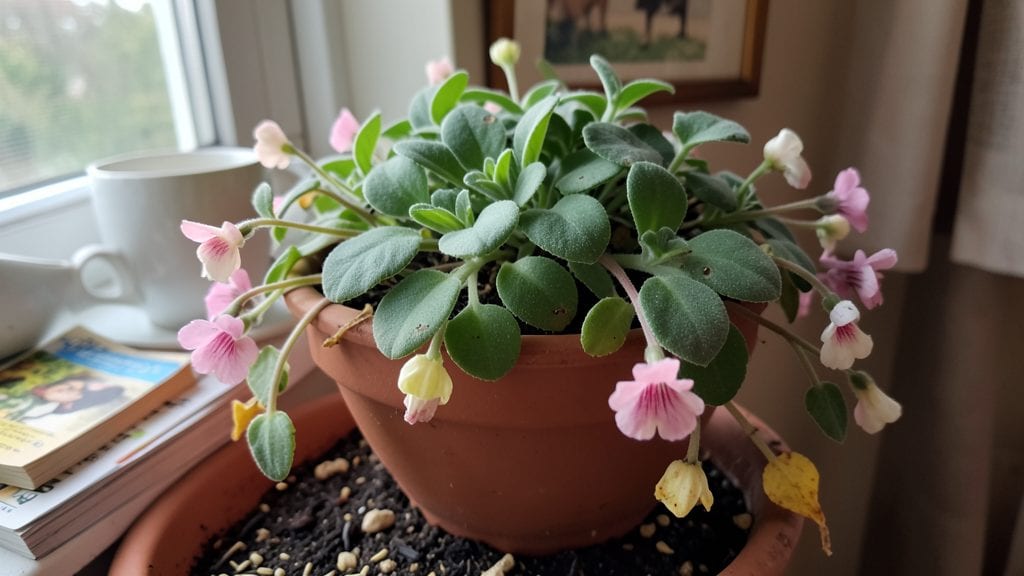
Flipping through the 2026 seed catalogs now means next year’s garden is already taking shape. 🌱 I’ve been collecting mine since October, circling varieties that promise better flavor, disease resistance, or just plain old curiosity—like the 'Black Krim' tomatoes that taste like sun-ripened memories.
The best catalogs don’t just list seeds; they tell stories about where these plants come from and why they’re worth growing.
Here’s the thing—these catalogs are your garden’s blueprint. You’ll find heirlooms with names like 'Mammoth Melting' or 'Cherokee Purple' that beg to be tried, plus rare finds from seed savers who’ve preserved varieties for decades.
Start by marking your top 5-10 picks, then check planting zones and days-to-maturity to plan your layout. Some catalogs even include growing tips or recipes, which is just a bonus.
By spring, you’ll have everything ready to go: seeds ordered, soil prepped, and a vision for a garden that’s more than just productive—it’s a celebration of flavors and colors you won’t find in stores.
The key is acting early; popular varieties sell out fast, and you don’t want to miss out on the ones that’ll steal the show in your plot.
Pro tip: Save your catalogs in a binder or digital folder. Jot down deadlines, budget notes, and any questions for customer service. Some even offer seed swaps or bulk discounts if you plan ahead.
Next year’s garden starts with a single page—but it ends with a harvest that’ll make your neighbors green with envy.
📚 In This Guide
- What you need
- Instructions
- Tips and common mistakes
- Wrapping up and next steps
What you need
- ● Seed packets: 5–10 varieties (mix of heirloom, rare, and easy-to-grow options from your catalog).
- ● Seed-starting trays: 1–2 (72-cell or 1020-cell trays for precision).
- ● Seed-starting mix: 1–2 bags (sterile, peat-based or coco coir blend).
- ○ Grow lights or sunny windowsill: LED grow lights (optional but ideal for indoor starts).
- ● Watering can or spray bottle: Small, with a fine mist nozzle for seedlings.
- ● Garden soil: 1–2 cubic yards (well-draining, amended with compost).
- ● Garden gloves: 1 pair (nitrile-coated for durability).
- ● Hand trowel: 1 (5–6" stainless steel for transplanting).
- ● Pruners: 1 pair (bypass pruners for clean cuts).
- ● Heating mat: 1 (for faster germination of slow starters like peppers or tomatoes).
- ● Plant labels: 50+ (waterproof tags or a label maker).
- ● Organic fertilizer: 1 bag (balanced 10-10-10 or compost tea for seedlings).
- ● Row covers or frost cloth: 1 roll (to protect tender plants).
- ● Notebook or garden planner: 1 (to track varieties, planting dates, and notes).
- ● Kneeling pad: 1 (for comfort during planting).
- ● 🌡️ Last frost date: Know your USDA hardiness zone (check here for specifics).
- ● ⏳ Time commitment: 10–15 minutes daily for watering/light checks (more for indoor starts).
- ● 💧 Water source: Easy access to a hose or watering setup near your garden or seedling area.
- ● 📅 Planting schedule: Review your catalog’s recommended start dates (indoor vs. direct sow).
How to plan your 2026 heirloom garden using a seed catalog
Let’s turn that seed catalog into a thriving garden plan—here’s how to pick the perfect varieties.
🌱 Step 1: Identify Your Growing Zone and Season Length
First, locate your USDA Hardiness Zone—this determines which heirloom varieties will thrive in your climate. Most seed catalogs list zone recommendations next to each variety. For example, if you’re in Zone 5, you’ll want cold-hardy options like 'Mammoth Melting Snowball' peas or 'Black Krim' tomatoes.
Next, note your frost-free days. This tells you how long your growing season is. Count back from your first fall frost date to your last spring frost date. If you have only 90 days between frosts, focus on fast-maturing heirlooms like 'Early Girl' tomatoes or 'Bush Blue Lake' beans.
☀️ Step 2: Match Varieties to Sunlight and Space
Check each catalog entry for sunlight requirements. Heirloom tomatoes like 'Brandywine' need 6-8 hours of full sun daily, while leafy greens such as 'Lacinato Kale' tolerate partial shade. If your garden has shady spots, prioritize varieties labeled "partial shade" or "low light."
Also, consider your space. Compact heirlooms like 'Tiny Tim' tomatoes or 'Bush Beans' are perfect for small gardens, while sprawling varieties like 'Cherokee Purple' tomatoes need trellises or cages. Jot down which plants will fit where—this prevents crowding and ensures easy harvests.
🌿 Step 3: Plan for Companion Planting and Pollinators
Heirloom gardens thrive when plants support each other. Use the catalog’s notes on companion planting—like pairing basil with tomatoes to repel pests or planting nasturtiums near cucumbers to deter squash bugs. Circle these combos on your planning sheet to maximize natural pest control.
Don’t forget pollinators! Many heirloom flowers, like 'Black Knight' hollyhocks or 'Moonflower' vines, attract bees and butterflies. Add a few of these to your layout to boost yields in nearby veggies. A catalog often highlights "pollinator-friendly" varieties—these are your best bets.
⏰ Step 4: Schedule Planting Dates Based on Seed Needs
Heirloom seeds often require specific timing. Some, like lettuce, can handle cool weather, while others, like peppers, need warm soil. Check the catalog for days-to-maturity and planting windows. For example, if 'Carolina Gold' beans take 55 days to harvest, plant them 55 days before your first fall frost.
Mark these dates on a calendar and group plants by their needs. Direct-sow seeds (like beans or carrots) go in first, followed by transplants (like tomatoes or peppers) after your last frost. This keeps your garden productive from spring to fall without overlaps.
🪴 Step 5: Order Seeds with Backup and Storage in Mind
Order extra seeds for heirloom varieties—these can be tricky to find later. Aim for 10-20% more than you think you’ll need, especially for rare finds. Store seeds in a cool, dry place (like a sealed jar in the fridge) to keep them viable for years.
Label each packet with the variety name and planting year. Some heirlooms, like 'Amante' corn, need isolation from other varieties to prevent cross-pollination. Note these details so you can space them correctly in your garden layout.
Tips & tricks for perfect heirloom garden planning
Here's how to turn your seed catalog into a foolproof garden plan—without the guesswork.
Zone-Specific Selection: Don't just rely on the catalog's zone recommendations—check your local extension office for microclimate variations. I learned this the hard way when my Zone 5 garden's south-facing border consistently runs 2°F warmer than the rest. For example, if you're on the edge of Zone 6, consider Zone 5 varieties like 'Striped Roman' tomatoes that handle cooler nights better. The catalog's zone labels are starting points, not absolute rules.
Sunlight Strategy: The 6-8 hours of full sun requirement can be tricky to visualize. I recommend using a garden grid or graph paper to map your sun exposure. Mark your garden in 2-hour blocks throughout the day—you'll often find some areas get morning sun but shade in the afternoon. For these spots, choose varieties like 'Black Krim' tomatoes that tolerate partial shade better than 'Brandywine'. This simple mapping prevents wasted seed purchases on sun-loving plants that'll never thrive in your shady corners.
Companion Planting Pro Tip: Beyond the classic basil-tomato pairing, look for "three-sisters" combinations in heirloom catalogs. Native American gardens often planted corn, beans, and squash together—the corn provides trellis, beans fix nitrogen, and squash shades the soil. Many catalogs now highlight these traditional pairings. I've had amazing success with this trio using 'Pawnee' corn, 'Scarlet Runner' beans, and 'Waltham Butternut' squash. Circle these combinations on your planning sheet first—they're the foundation of your garden's ecosystem.
Seed Storage Hack: That 10-20% extra seeds recommendation is worth emphasizing. I've saved money by reusing seeds from previous years—just store them properly. Use airtight containers with silica gel packets (the kind that come with electronics) to absorb moisture. Label each container with the variety AND year—some seeds like lettuce lose viability after just 1-2 years, while beans can last 5+ years. For extra protection, store containers in the freezer if you have limited fridge space. This simple upgrade extends your seed bank's life dramatically.
Pro Tips for 2026 Seed Catalog
- Here's how to turn your seed catalog into a foolproof garden plan—without the guesswork.
- Zone-Specific Selection: Don't just rely on the catalog's zone recommendations—check your local extension office for microclimate variations.
- Sunlight Strategy: The 6-8 hours of full sun requirement can be tricky to visualize.
Frequently asked questions
Got questions about planning your 2026 garden with a seed catalog? You’re not alone! Here are answers to the most common ones to help you get started.
What makes heirloom seeds different from hybrid seeds?
Heirloom seeds are open-pollinated, meaning you can save and replant them year after year while maintaining the same traits. Hybrids, on the other hand, are bred for specific traits (like disease resistance) but may not produce true-to-type seeds. Heirlooms offer unique flavors, colors, and historical charm—perfect for gardeners who love variety and sustainability!
When should I start ordering seeds for the 2026 growing season?
Most seed companies begin accepting orders for the following year in late summer or early fall (around August–October). Early planning lets you secure rare varieties, take advantage of sales, and avoid last-minute shortages. Bookmark your favorite catalogs now and set reminders to order before they sell out!
Are there budget-friendly ways to buy seeds from a catalog?
Yes! Many catalogs offer discounts for bulk orders, loyalty programs, or seasonal sales. You can also split costs with gardening friends or join seed swaps. Some companies provide free seed samples or discounts for first-time buyers—keep an eye out for promotions!
How do I know if a seed variety will grow well in my climate?
Check the catalog’s USDA Hardiness Zone map and look for notes on days to maturity, frost tolerance, and regional suitability. If unsure, reach out to the seed company—they’re happy to help! Starting with adaptable varieties (like heirloom tomatoes or beans) is a great way to test the waters.
Can I save seeds from heirloom varieties I buy in the catalog?
Heirloom seeds are non-GMO and open-pollinated, so you can harvest, dry, and store them for future planting. Just follow proper seed-saving techniques (like isolating plants to prevent cross-pollination) for the best results. It’s a rewarding way to preserve biodiversity and save money!
Wrapping up and next steps
The 2026 seed catalog is your gateway to a garden brimming with heirloom treasures and rare botanical wonders—perfect for nurturing biodiversity and preserving timeless flavors. Whether you’re a seasoned gardener or a curious beginner, this year’s offerings promise to inspire creativity and connection to the earth. 🌱
Ready to plant the seeds of your future harvest? Start by browsing early previews or marking your calendar to order well in advance—popular varieties sell out fast! Let your 2026 garden be a celebration of heritage, resilience, and the joy of growing something truly special.