
Trees
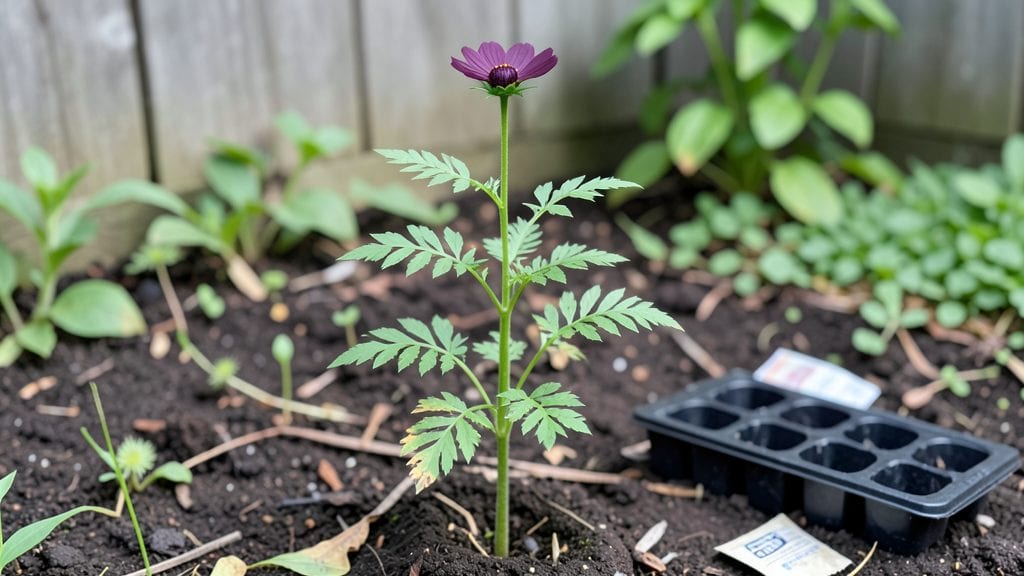
Mastering cosmos seedling identification early prevents thinning headaches—those delicate first leaves hold the key to variety and vigor. 🌱 After years of sorting trays, I always start with leaf shape. finger-like lobes that look almost ferny, with a deep green hue that’s brighter than most weeds.
The stems start out a soft pinkish-red, which is your first clue they’re not just any volunteer plant.
Cosmos seedlings often get mixed up with dill, parsley, or even young sunflower sprouts, but the key difference is in the leaf veins and spacing. Cosmos leaves have prominent, parallel veins running through those lobes, while weeds like lamb’s quarters have rounded leaves with a milky sap.
If the seedlings are leggy and pale, they’re likely etiolated from too little light—not a good sign for strong plants.
Once you’ve confirmed they’re cosmos, the next step is thinning or transplanting while they’re still small. Healthy seedlings should have two sets of true leaves and a sturdy stem—these are the ones to keep.
The rest can go into the compost or share space in a larger pot until you’re ready to plant them out.
This method works for both dwarf cosmos (like ‘Bright Lights’) and tall varieties (such as ‘Sensation’), though the leaf size differs slightly. Early identification means you’ll avoid the heartbreak of pulling out what you thought was a weed only to realize it was your prized ‘Double Click’ cosmos.
Let’s get those seedlings sorted!
Root Causes Of Misidentification
Correctly identifying cosmos seedlings can feel like solving a botanical puzzle—especially when key traits are obscured or misinterpreted. Below are the most common reasons why even experienced gardeners struggle to match seedlings to their expected varieties, along with the science behind each issue.
Cosmos seedlings often lack the defining traits of mature plants, making early identification unreliable. During the first 2–4 weeks, leaves may appear lobed or serrated regardless of the variety, and stem colors can shift dramatically as the plant matures.
- Why it happens: Seedlings prioritize primary leaf development (cotyledons) over specialized traits like leaf shape or flower structure. The juvenile phase in cosmos can mimic other plants entirely, even within the same genus.
- Actionable fix: Wait until the third true leaf (not cotyledons) emerges before attempting identification. Compare seedlings to mature trait charts—look for subtle differences in vein patterns or leaf margins.
Light, temperature, and soil conditions can alter a seedling’s appearance, masking its true variety. For example, low light causes elongated stems (etiolation), while nutrient deficiencies (like nitrogen) produce pale or distorted leaves.
| Stressor | Effect on Seedlings | How to Correct It |
|---|---|---|
| High Heat (Above 85°F) | Premature leaf curling, stunted growth | Provide afternoon shade with floating row covers or move to a cooler microclimate. |
| Overwatering | Yellowing leaves (chlorosis), weak stems | Use well-draining soil (50% potting mix + 50% perlite) and water only when the top inch is dry. |
| Compacted Soil | Dark green, glossy leaves (iron deficiency) | Amend soil with compost or gypsum to improve aeration. |
Even seeds from the same packet can produce seedlings with unexpected traits due to natural genetic diversity. Cosmos varieties like Cosmos bipinnatus (garden cosmos) and Cosmos sulphureus (orange cosmos) sometimes hybridize or revert to ancestral forms.
- Why it happens: Open-pollinated seeds (not hybridized) can outcross with nearby plants, leading to seedlings that don’t match the parent variety. Some traits, like stem color, are polygenic (controlled by multiple genes), increasing variability.
- Actionable fix:
- Purchase seeds labeled "true to type" or from reputable suppliers.
- Isolate cosmos plants by 10+ feet during flowering to prevent cross-pollination.
- Save seeds only from stable, non-hybrid varieties like Cosmos bipinnatus 'Sensation Mix'.
Human perception plays a bigger role than most gardeners realize. Poor lighting (e.g., blue-tinted grow lights) can make stems appear redder or bluer than they are, while natural daylight may reveal true colors.
- Why it happens: Metamerism (color shifts under different light spectra) affects cosmos stems, which can range from green to deep magenta. Additionally, leaf variegation (e.g., white edges) may be invisible in low light.
- Actionable fix:
- Use full-spectrum LED grow lights (6500K) for consistent color assessment.
- Compare seedlings side by side under natural daylight (10 AM–2 PM).
- Take photos under direct sunlight for later reference.
Pro Tip: 💡 If you’re still unsure, transplant seedlings into individual pots and monitor their flower color—this is the most reliable trait for cosmos variety confirmation!
Quick Fixes for Seedling Confusion
When your cosmos seedlings look more like a puzzle than a garden plan, don’t panic—there’s a clear path to clarity. The key is matching visible traits (like leaf shape or stem hue) to known varieties, then troubleshooting mismatches.
Below are practical, step-by-step solutions tailored to common identification roadblocks, plus prevention tips to keep your seedlings on track.
Misidentification often starts with overlooking subtle details. Before diving into research, double-check these basics:
- Leaf Shape: - Narrow & feathery (e.g., Cosmos bipinnatus) vs. broad & lobed (e.g., Cosmos sulphureus). - Use a magnifying glass if leaves are tiny—some varieties have hairy undersides or serrated edges that distinguish them. - Pro Tip 💡: Snap a well-lit photo next to a ruler for scale.
Apps like PlantNet can help compare shapes instantly.
- Stem Color:
- Green stems = Likely Cosmos bipinnatus or Cosmos atrosanguineus.
- Reddish or purple stems = Could be Cosmos sulphureus (especially ‘Bright Lights’ series).
- Warning ⚠️: Over-fertilizing can darken stems artificially—compare to healthy reference plants.
If leaves and stems match multiple varieties, observe how the seedling grows:
| Trait | Cosmos bipinnatus | Cosmos sulphureus | Cosmos atrosanguineus |
|---|---|---|---|
| Height Potential | 2–5 ft | 1–3 ft | 3–5 ft |
| Bloom Time | Mid to late summer | Early summer | Late summer/fall |
| Flower Color | Pink, white, or magenta | Yellow, orange, or red | Deep red or burgundy |
| Foliage Scent | None | Slightly citrusy | None |
Pro Tip ✨: Pinch back the seedling’s top leaves to encourage bushier growth—this can reveal hidden leaf patterns (e.g., C. sulphureus often has slightly waxy leaves).
Sometimes seedlings aren’t cosmos at all! Check for these impostors:
- Dandelion or chicory seedlings: Leaves are deeply lobed (like a jagged star) and yellow-green, with milky sap when crushed.
- Sunflower seedlings: First leaves are heart-shaped, and stems are hairy near the base.
- Marigold seedlings: Fuzzy, rounded leaves and a strong odor when bruised.
Fix 🍳: Dig up suspects and compare roots—cosmos roots are thin and fibrous, while weeds often have thick taproots.
Once you’ve nailed the ID, lock in accuracy with these habits:
- Label seeds before planting: Use waterproof tags with variety names and dates.
- Plant in blocks: Group the same cosmos variety together to avoid cross-pollination (which can muddy traits).
- Start indoors: If growing from seed, use individual pots to monitor each seedling’s unique traits early.
- Take progress photos: Document leaf development weekly—sudden changes (like purpling stems) can signal stress or a different variety.
Pro Tip 🌡️: Keep a seedling journal with notes on sunlight, water, and soil pH. Cosmos thrive in well-draining soil (pH 6.0–7.0)—if yours is struggling, adjust with compost or lime.
If your seedlings still defy identification after these steps:
- Post photos in gardening forums like Gardeners.com or Reddit’s r/gardening.
- Visit a local nursery: Staff often recognize regional varieties quickly.
- Consult a botanist: Universities or extension offices can DNA-test seedlings if needed (though this is overkill for most gardeners!).
Frequently asked questions
How can I tell if my tiny seedlings are cosmos?
Look for deeply lobed, fern-like leaves with parallel veins and a soft pinkish-red stem. These are your key identifiers! Early cosmos leaves resemble dill but lack its feathery texture. Wait until the third true leaf appears for more accurate matching.
Why do my cosmos seedlings look different from the seed packet?
Seedlings prioritize survival over variety traits at first. Open-pollinated seeds can produce unexpected colors or sizes, while environmental stress (like low light) causes leggy growth. Compare your seedlings to mature plant charts—flower color becomes reliable only after 6-8 weeks.
What common weeds or plants look like young cosmos?
Watch for dandelion (milky sap, jagged leaves) or sunflower seedlings (heart-shaped first leaves). Marigolds have fuzzy, rounded leaves with a strong odor. Dig up suspects and check roots—cosmos have thin, fibrous roots while weeds often have thick taproots.
When is the best time to transplant identified cosmos seedlings?
Wait until they have 2-3 sets of true leaves and a sturdy stem (usually 4-6 weeks after germination). Harden them off first by placing outdoors for 2-3 hours daily before full transplant. Avoid moving them during extreme heat or cold.
Can I save seeds from my cosmos plants for next year?
Only if you're growing open-pollinated varieties like 'Sensation Mix' and isolate plants by 10+ feet to prevent cross-pollination. Hybrid varieties won't come true from seed. Collect seeds when flower heads turn brown and dry, then store in a cool, dry place for up to 3 years.