Transplanting
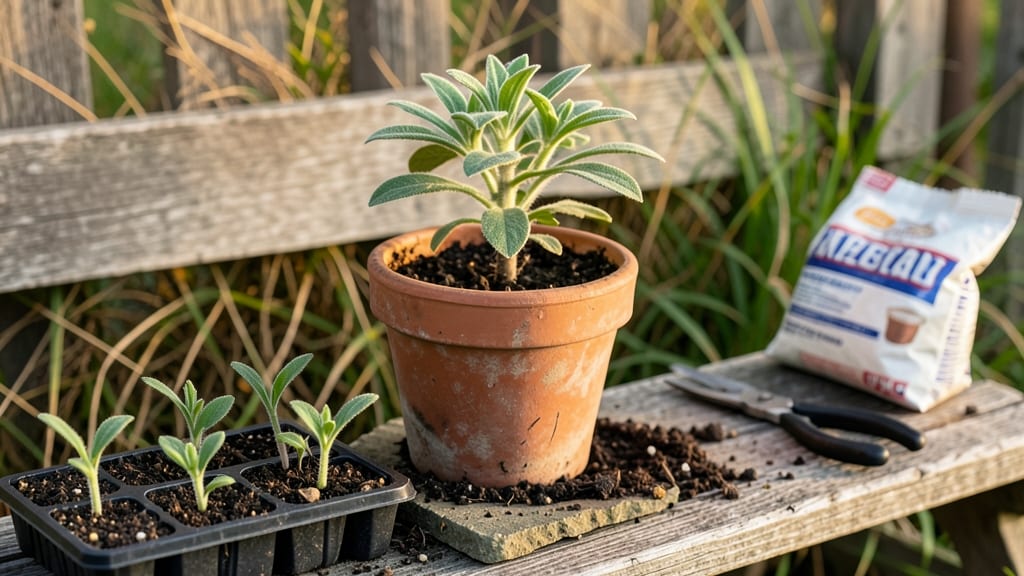
Growing 4 o'clock seedlings 🌸 into vibrant blooms starts with the right move from indoors to outdoors—and one wrong step can leave them wilted or stunted.
Struggling to transition delicate 4 o'clock seedlings from indoor warmth to outdoor conditions? A proper hardening-off schedule prevents shock and ensures thriving plants—here’s how to do it right.
These spring favorites need patience, not speed. Too much sun too soon, and their leaves scorch; too little time outside, and they’ll flop when planted. The key is a gradual shift over 7-10 days, matching your local Zone 6 climate.
Below, I’ll walk you through the exact steps—when to start, how to adjust for weather, and the telltale signs your seedlings are ready for their forever home in April-May.
Understanding the 4 o’clock seedling hardening-off process
Transitioning your 4 o’clock seedlings from cozy indoor conditions to the great outdoors requires patience and precision. These delicate plants thrive in warmth and humidity indoors but need gradual exposure to sunlight, wind, and temperature shifts to avoid shock.
Skipping this critical step can stunt growth or even kill your seedlings before they bloom. The hardening-off process mimics natural conditions, strengthening stems and roots for a smoother transplant.
Why is hardening-off so vital for Mirabilis jalapa? Unlike hardy annuals, 4 o’clock flowers have tender foliage that burns under sudden UV exposure or wilts from temperature swings. A well-planned schedule ensures they develop thicker cell walls and deeper roots, preparing them for full-sun gardens or containers.
Think of it as a survival boot camp for your seedlings—without it, they’ll struggle to adapt.
Step-by-Step Hardening-Off for 4 O’Clock Seedlings
- Step 1: Start 1-2 weeks before transplanting when nighttime temps stay above 50°F (10°C). Choose a shaded, sheltered spot like a porch or garage.
- Step 2: Day 1-3: Partial sunlight exposure. Place seedlings outside for 1-2 hours in morning light only. Monitor for wilting—if leaves droop, return them indoors immediately.
- Step 3: Day 4-7: Gradual sunlight increase. Extend exposure by 1 hour daily, moving to afternoon shade by Day 5. Avoid direct midday sun—it causes leaf scorch.
- Step 4: Day 8-10: Full sunlight trials. By Day 8, seedlings should handle 4-6 hours of sun. If no stress appears (yellowing, curling), leave them out all day but bring them in at night.
- Step 5: Final 24-hour test. On the last day, leave seedlings outside overnight if temps stay above 45°F (7°C). If they survive, they’re ready for permanent planting in well-draining soil.
- Step 6: Transplant timing. Plant in the early morning or late afternoon to avoid heat stress. Water deeply before and after transplanting to reduce shock.
Timing your hardening-off schedule depends on your last frost date and local climate. In USDA Zone 6, aim to start hardening off by mid-April when soil warms to 60°F (15°C). For cooler zones (Zones 4-5), delay until late May to avoid chilly nighttime temps.
Warmer zones (Zones 7+) can begin as early as March, but watch for heatwaves—4 o’clocks prefer warm days and cool nights.
Watch for visual cues that your seedlings are ready: dark green, upright leaves and thicker stems signal success. Avoid transplanting if leaves look leggy, pale, or mushy—these signs mean they’re not hardened enough.
A quick tug test on stems can also reveal root strength. If they pull easily, delay transplanting another 3-5 days.
One common mistake is rushing the process due to eagerness. I’ve seen gardeners skip hardening off entirely, only to watch their 4 o’clock seedlings wilt within days of planting. The key is consistency: stick to the schedule, even if weather cooperates.
Another pitfall is overwatering during hardening off—soil should be moist but not soggy to prevent root rot. Use your finger to check 1 inch deep; if dry, water lightly.
After transplanting, mulch around the base with 2-3 inches of organic mulch to retain moisture and regulate soil temperature. This mimics the stable conditions your seedlings experienced indoors.
Within 2-3 weeks, you’ll see new growth as roots establish in their permanent home. Patience during hardening off pays off with vibrant blooms all summer long.
Remember, every 4 o’clock seedling is unique—adjust your timeline based on their response. If they yellow or droop during exposure, slow down the process. With the right approach, your seedlings will thrive in their new outdoor environment, ready to reward you with fragrant evening flowers.
Optimal 4 o’clock seedling hardening-off schedule by region
Transitioning 4 o’clock seedlings outdoors requires patience and precision, especially since these tropical beauties thrive in warm climates but struggle with sudden temperature shifts. Your hardening-off schedule must adapt to your USDA zone, balancing gradual exposure with nighttime temperature protection.
In cool zones (3-5), focus on sheltering seedlings from chilly nights, while warm zones (8-10) prioritize shade during peak sun hours.
Start hardening off 2-3 weeks before your last frost date, but always monitor nighttime lows. If temperatures dip below 50°F (10°C), extend indoor protection or use row covers.
The goal is to mimic outdoor conditions without shocking tender seedlings—think of it as a tropical vacation prep for your plants.
Daily exposure should increase by 1-2 hours every 2-3 days, paired with morning sun first to avoid afternoon heat stress. For example, begin with 1 hour of shade on day 1, then progress to 3 hours of partial sun by day 5. Always harden off during stable weather—avoid windy or rainy days that can stress seedlings.
summary-table
Region
Days to Harden Off
Daily Exposure (Sun/Shade)
Nighttime Protection
Ready for Transplant Signs
Cool (Zones 3-5)
14-21 days
1 hr shade → 5 hrs partial sun
Row covers for temps <50°F
Sturdy stems, no wilting after 8 hrs sun
Temperate (Zones 6-7)
10-14 days
2 hrs sun → 6 hrs full sun
None if temps >55°F
Dark green leaves, rapid growth
Warm (Zones 8-10)
7-10 days
3 hrs sun → 4 hrs afternoon shade
Shade cloth for temps >90°F
Bright flowers, no leaf scorch
Your seedlings are ready for full transplanting when they show three key signs: dark green leaves (not yellow or wilted), sturdy stems that don’t snap easily, and rapid growth despite outdoor conditions.
In cool climates, wait until soil temps reach 60°F (15°C)—use a soil thermometer to confirm. For warm zones, prioritize afternoon shade during the final hardening days to prevent leaf burn.
Transplant on a cloudy day or in the early evening to minimize stress. Bury stems slightly deeper than their indoor pots to encourage root growth—this helps 4 o’clock flowers establish faster in well-draining soil.
Water deeply immediately after transplanting to reduce shock, and mulch with 2-3 inches of organic matter to retain moisture.
Pro tip: Mark your hardening-off calendar with weather forecasts to adjust timelines. If a cold snap is predicted, delay outdoor exposure and extend indoor care. With the right schedule, your 4 o’clock seedlings will thrive in their new home, blooming vibrantly from summer to fall!