
Lawn
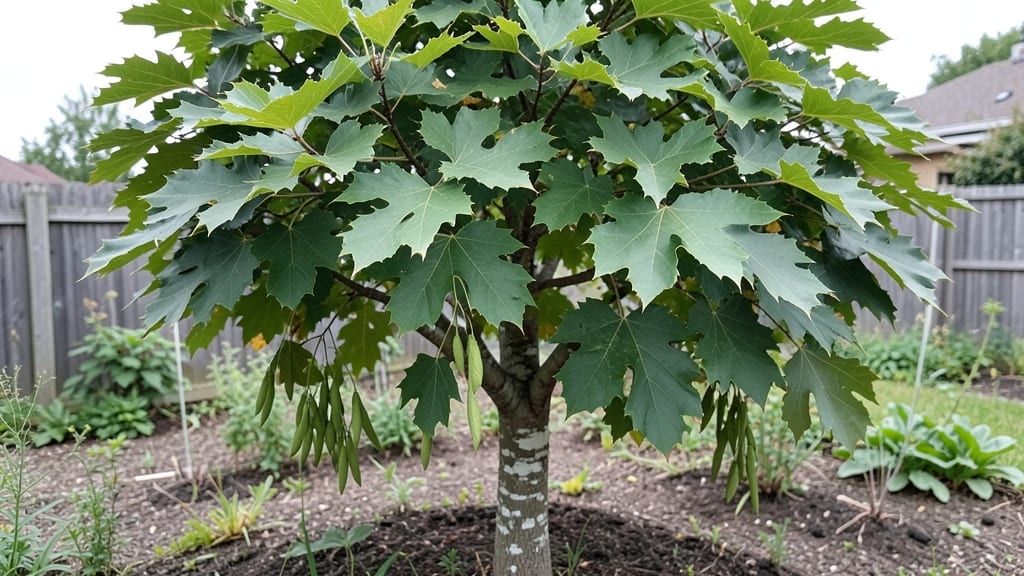
Growing acer pseudoplatanus seeds fast isn't about magic—it's about breaking dormancy the right way. I've learned that these sycamore seeds need a cold, moist winter to wake up, and skipping that step means waiting months for germination. The secret isn't complicated: it's patience paired with the right conditions.
You'll need a zip-top bag, some damp paper towels, and a fridge for the cold treatment. Most people overlook this step, but it cuts germination time from six months to just a few weeks. Once sprouted, these seedlings grow slowly but steadily—think years, not seasons.
By spring, you'll have tiny green shoots pushing through the soil, their leaves unfurling into that classic sycamore shape. The key is keeping the soil consistently moist but not soggy, and giving them bright, indirect light until they're strong enough for full sun.
This method works for anyone with a fridge and a sunny spot—whether you're a patient beginner or a seasoned gardener. The payoff? A native tree that thrives with minimal fuss once established. Let's get those seeds sprouting.
📚 In This Guide
- What you need
- Instructions
- Tips and common mistakes
- Wrapping up and next steps
What you need
- ● Fresh Acer pseudoplatanus seeds: Collect 10–20 ripe, winged seeds (or buy from a reputable supplier). Tip: Harvest in late fall for best viability!
- ● Seed-starting mix: 1–2 gallons of sterile, well-draining potting soil (e.g., Pro-Mix or coconut coir blend). Avoid garden soil—it’s too dense!
- ● Seed trays or small pots: 4–6" deep containers with drainage holes (1–2 seeds per pot). Pro tip: Use biodegradable pots for easy transplanting!
- ● Spray bottle: For gentle watering (avoid over-saturating seeds!).
- ○ Plastic wrap or humidity dome: To create a mini greenhouse effect (optional but helpful for slow germinators).
- ○ Heat mat (optional): A 70–75°F (21–24°C) mat speeds up germination by 30–50%!
- ● Grow lights or sunny windowsill: 12–16 hours of indirect light daily. ⚠️ Direct sun can scorch young seedlings.
- ● Fine-mesh screen or paper towels: For cold stratification (if seeds aren’t pre-chilled).
- ● Patience: Sycamore seeds can take 2–4 weeks (or longer!) to sprout—stay consistent!
- ● Cold stratification (if needed): Chill seeds in a moist paper towel in the fridge for 4–8 weeks before planting (mimics winter).
- ● Space for transplanting: Seedlings need 3–4 feet of spacing once established—plan ahead!
- ● Fungicide (e.g., Mycorrhizal inoculant) to prevent damping-off.
- ● Label markers to track seed varieties (if mixing types).
- ● Compost tea for a nutrient boost during early growth.
Step-by-Step instructions for growing Acer pseudoplatanus seeds
Here’s how to jumpstart your native maple’s growth with proven techniques for quick, healthy sprouting.
Harvest and Prepare the Seeds
Collect seeds from ripe samaras (the winged fruit) in late fall or early winter. Let them dry indoors for 2-3 weeks at 60-65°F to break dormancy naturally. This mimics the cold stratification they’d experience in the wild, speeding up germination. Store them in a paper bag until ready to plant—plastic traps moisture and causes rot.
Before sowing, soak the seeds in lukewarm water for 12 hours. This softens the hard outer shell and kickstarts the germination process. Drain and let them sit overnight in a damp paper towel to keep them moist but not soggy. You’ll see the first signs of sprouting—tiny white roots—within 24-48 hours of this treatment.
Choose the Right Containers and Soil
Use 4-inch deep pots with drainage holes to give roots room to establish without crowding. Fill them with a mix of 50% potting soil and 50% perlite—this ensures good airflow and prevents waterlogging, which can drown tender seedlings. Avoid garden soil; it’s too dense and may harbor diseases that weaken young maples.
Plant seeds ½ inch deep, spacing them 1 inch apart in each pot. Gently press the soil around them to secure them in place, but don’t compact it too tightly. The goal is firm enough to hold the seed steady, but loose enough for roots to push through easily. Water lightly with a spray bottle until the soil is evenly moist but not saturated.
Provide Ideal Germination Conditions
Place the pots in a warm, shaded spot where temperatures stay between 65-75°F. A seedling heat mat set to 70°F can speed up germination if your home runs cooler. Keep the soil consistently moist—not soggy, not dry—by checking the top inch daily. If it feels dry to the touch, water gently until moisture reaches ½ inch deep.
Cover the pots with a clear plastic dome or plastic wrap to retain humidity, but remove it for 10 minutes daily to prevent mold. Germination typically takes 2-4 weeks, though some seeds may take longer. Watch for the first true leaves—small, rounded, and dark green—to confirm successful sprouting. Once they appear, remove the cover entirely to harden off the seedlings.
Transition to Light and Prepare for Outdoors
Move seedlings to a bright, indirect light spot once they’ve developed 2-3 sets of true leaves. Avoid direct sunlight at this stage—it can scorch tender new growth. Gradually introduce them to morning sun over 7-10 days to toughen their skin. You’ll notice the leaves darkening and thickening as they adjust.
After 4-6 weeks, when seedlings are 4-6 inches tall with a sturdy stem, they’re ready for their first outdoor exposure. Place them in a sheltered, partially shaded spot for 2 hours the first day, increasing time by 1 hour daily. This slow transition prevents shock and ensures they adapt to wind and temperature fluctuations. Keep the soil moist during this period—young maples are sensitive to drought.
Plant Outdoors for Long-Term Growth
Transplant seedlings outdoors after the last frost when soil temperatures reach 55°F. Choose a location with partial shade and well-draining soil—acer pseudoplatanus thrives in moist but not waterlogged conditions. Dig a hole twice as wide as the root ball but only as deep as the container. This encourages roots to spread outward rather than sinking too deep.
Water deeply after planting to settle the soil and remove the pot gently to avoid damaging roots. Mulch with 2 inches of organic mulch around the base to retain moisture and suppress weeds. Monitor the seedlings closely for the first 2 weeks, watering whenever the top 1 inch of soil feels dry. With proper care, your native maple will establish strong roots and begin rapid growth within its first growing season.
Tips & tricks for faster Acer pseudoplatanus seed germination
These proven techniques will help you bypass common pitfalls and get your native maple seeds sprouting in record time.
Temperature Precision: The 60-65°F drying period in Step 1 is critical—any hotter and you risk premature sprouting before the seed is ready, while cooler temperatures slow down the dormancy-breaking process. I use a small greenhouse tray on my kitchen counter near a sunny window to maintain this range consistently. If your home runs warmer, place the seeds in a paper bag inside a larger box with ice packs to regulate the temperature.
Soaking Strategy: When you soak the seeds for 12 hours in Step 1, use lukewarm water that feels comfortable to your wrist—not hot enough to cook the seed, but warm enough to speed up hydration. After draining, I place them between two damp paper towels in a sealed plastic bag (with tiny holes poked for airflow) overnight. This creates a mini greenhouse effect that mimics natural moisture conditions while preventing mold. You'll notice the first root hairs appear within those 24-48 hours if everything's just right.
Light Transition: The gradual outdoor acclimation in Step 4 is where many growers make mistakes. Start with just 2 hours of morning sun on day one—this gentle introduction prevents leaf scorch that can kill tender seedlings. I mark my calendar with the 7-10 day transition period and set a timer on my phone to remind me to increase exposure by just 1 hour each day. The key visual cue is watching the leaves darken slightly and become thicker as they toughen up.
Soil Mix Secret: The 50/50 potting soil to perlite mix in Step 2 isn't just about drainage—it's about oxygen. Perlite creates tiny air pockets that prevent that suffocating feeling roots get in dense soil. I always sift the mix through a fine mesh screen before planting to eliminate any large perlite chunks that could create air gaps around the seeds. This ensures even moisture distribution while maintaining that critical airflow.
Pro Tips for Acer Pseudoplatanus Seed
- These proven techniques will help you bypass common pitfalls and get your native maple seeds sprouting in record time.
- Temperature Precision: The 60-65°F drying period in Step 1 is critical—any hotter and you risk premature sprouting before the seed is ready, while cooler temperatures slow down the dormancy-breaking process.
- Soaking Strategy: When you soak the seeds for 12 hours in Step 1, use lukewarm water that feels comfortable to your wrist—not hot enough to cook the seed, but warm enough to speed up hydration.
Frequently asked questions
Got questions about growing Acer pseudoplatanus seeds? You're not alone! Here are some of the most common queries—plus straightforward answers to help you succeed.
How long does it take for Acer pseudoplatanus seeds to sprout?
Patience is key! These seeds often take 4–8 weeks to sprout under ideal conditions (moisture, warmth, and light). Some may even wait 3–6 months—especially if they’ve undergone stratification. Don’t panic if germination is slow; consistency is crucial.
Do I need to stratify Acer pseudoplatanus seeds before planting?
Yes! Stratification mimics winter and breaks seed dormancy. Cold-moist treatment (30–90 days in a fridge or outdoors) dramatically improves germination rates. Skip this step, and you might end up waiting years for sprouts—or none at all.
Can I grow Acer pseudoplatanus from seed in my climate?
This European maple thrives in USDA Zones 4–7, but success depends on your local conditions. If you’re in a warmer zone (8+), opt for container growing or a shaded spot. For colder areas, plant in late fall to let nature handle stratification.
What’s the best soil mix for Acer pseudoplatanus seeds?
A well-draining, peat-based mix (50% peat, 30% perlite, 20% sand) works best. Avoid heavy clay—seeds rot in waterlogged soil. For outdoor planting, amend native soil with compost to improve aeration and moisture retention.
Why aren’t my Acer pseudoplatanus seeds germinating?
Check these common culprits:
- Dry soil: Keep seeds consistently moist (not soggy).
- No stratification: Cold treatment is non-negotiable.
- Poor light: Seeds need bright, indirect light.
- Old seeds: Freshness drops after 1–2 years.
Wrapping up and next steps
Growing Acer pseudoplatanus seeds can be a rewarding journey—especially when you unlock the native maple’s secret to faster sprouting! 🌱 With the right prep work, patience, and care, you’ll soon be nurturing a stunning tree that thrives in your landscape.
Whether you’re restoring native ecosystems or simply adding beauty to your yard, these steps make it easier than ever.
Ready to take the next step? Start by gathering your supplies and follow the guide to give your seeds the best chance at success. Happy planting—and watch your little maple grow into something extraordinary! 🌿