
Lawn
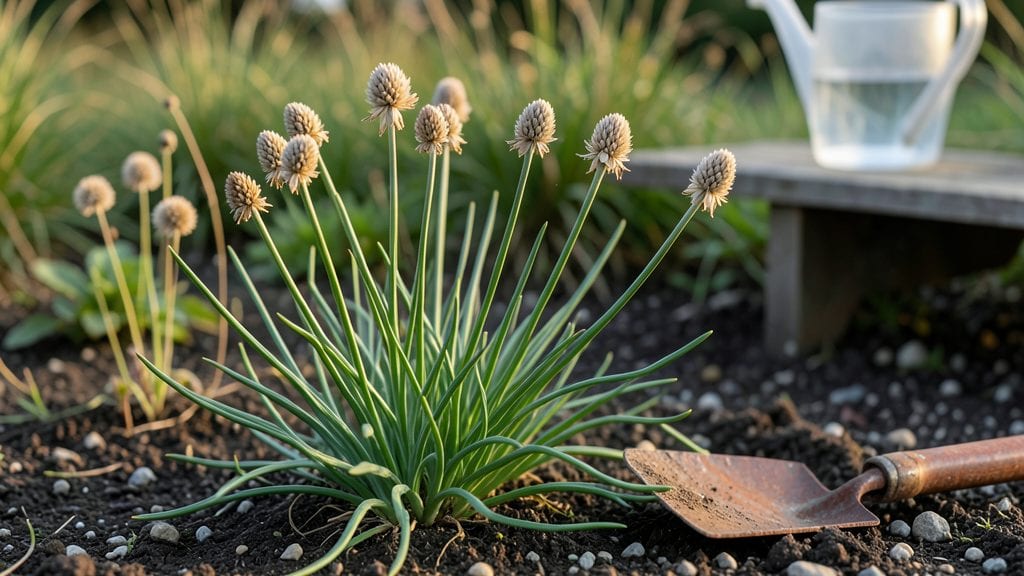
Allium seed heads transform your garden into a sculptural masterpiece with almost no effort at all. 🌿 These globe-shaped orbs—ranging from soft lavender to deep purple—stand out like nature’s own abstract art, long after the blooms have faded.
I’ve used them to anchor cottage garden borders, punctuate modern minimalist designs, and even create unexpected drama in wildflower meadows.
The beauty of allium seed heads is their versatility. They work as standalone statement pieces in containers or tucked into perennial beds where they catch the light like tiny lanterns. Pair them with grasses for movement, or contrast their bold shapes against delicate blooms like daisies or echinacea.
In dried arrangements, they hold their form for months, adding texture and height to winter bouquets.
You’ll love how they bring year-round interest—starting with their dramatic spring blooms, then evolving into seed heads that catch the eye through fall and winter. The best part?
They’re completely low-maintenance. No deadheading, no fussing; just let them do their thing and watch your garden transform into a textured, layered showpiece.
Whether you’re going for a wild, cottage, or modern aesthetic, allium seed heads adapt effortlessly. Try them in full sun where they’ll thrive, or even in partial shade for a softer look. The key is placement—strategically scatter them where you want eyes to linger, and let their natural drama shine.
📚 In This Guide
- What you need
- Instructions
- Tips and common mistakes
- Wrapping up and next steps
What you need
- ● Allium seed heads: Freshly harvested or store-bought (choose varieties like Allium giganteum, Allium sphaerocephalon, or Allium cristophii for maximum drama). Aim for 10–20 heads for a small arrangement or 50+ for a bold garden statement.
- ● Pruning shears or sharp scissors: For cleanly cutting stems (sterilize blades with rubbing alcohol to prevent disease).
- ● Buckets or containers: Large enough to hold seed heads while drying (e.g., 5-gallon buckets or wire baskets with drainage holes).
- ● Drying method of choice: Air-drying: Natural sunlight or a well-ventilated space (e.g., porch, garage, or shed).
- ○ Oven-drying (optional):** Low heat (200°F or 93°C) for 1–2 hours if you’re in a hurry.
- ● Twine, florist wire, or fishing line: For hanging or bundling dried seed heads (10–20 feet, depending on your project).
- ● Spray bottle with water: Lightly mist seed heads during drying to prevent mold.
- ● Glue or hot glue gun: For securing stems to floral foam or craft projects.
- ● Paint or sealant (e.g., Mod Podge or clear acrylic): To preserve dried seed heads for long-term displays.
- ● Garden stakes or dowels: For vertical arrangements or supporting heavy seed heads.
- ● Dried flowers or greenery: Pair with eucalyptus, lavender, or wheat stalks for layered textures.
Instructions for cultivating striking Allium seed heads
Here’s how to coax those iconic spherical blooms into your garden with minimal effort.
🌱 Step 1: Choose and Plant Allium Bulbs at the Right Time
Alliums thrive when planted in late fall or early spring, when soil temperatures hover around 50-60°F. I like to dig holes twice as wide as the bulb’s diameter but only 6 inches deep—they won’t tolerate soggy soil. Space bulbs 8-12 inches apart for dramatic clusters.
Use your fingers to loosen the soil at the bottom of each hole—this encourages roots to spread instead of circling. Tap the bulb gently into place until the top third peeks above soil level. This ensures the stem has room to grow upward without bending.
☀️ Step 2: Provide Full Sun and Consistent Moisture
Alliums demand full sun—at least 6-8 hours daily—for those iconic seed heads to form properly. If your garden gets less, choose varieties like Allium schubertii or Allium karataviense, which tolerate partial shade better than others.
Water deeply once a week during the first growing season, letting 1 inch of water soak into the soil. Once established, they’re drought-tolerant, but a dry spell can flatten seed heads before they fully develop. Check soil moisture by pressing your finger 1 inch deep—if it’s dry, water again.
🌿 Step 3: Support Stems and Encourage Strong Growth
As stems reach 12-18 inches tall, they’ll need support to prevent flopping. I drive 3-inch wooden stakes into the soil near each clump and loosely tie stems with soft garden twine—never too tight, or you’ll restrict growth. This keeps blooms upright and visible from a distance.
Remove any yellowing or diseased leaves promptly to redirect energy to the seed heads. Fertilize lightly in early spring with a balanced 10-10-10 formula—too much nitrogen will produce lush foliage but fewer blooms. Stop fertilizing once stems emerge.
✂️ Step 4: Harvest and Preserve Seed Heads at Peak
Leave seed heads on the stems until they turn a rich, papery brown—this usually takes 8-12 weeks after flowering. Cut stems with clean pruners at a 45-degree angle, leaving 2 inches of stem attached. This prevents moisture from pooling and rotting the base.
Hang bundles upside down in a dry, well-ventilated area for 2-3 weeks until completely dry. Once crisp, remove individual seed heads and store them in paper bags away from direct sunlight. They’ll keep for years, adding texture to dried arrangements long after the garden fades.
🪴 Step 5: Mulch and Overwinter for Next Season
After harvesting, apply a 2-inch layer of mulch around the base to protect bulbs from freezing. I use straw or shredded leaves—they insulate roots while allowing moisture to penetrate. In spring, remove mulch once new growth appears.
Alliums multiply over time, so divide clumps every 3-4 years in early spring. Dig up bulbs, separate offsets, and replant them in fresh soil. This keeps blooms vigorous and prevents overcrowding, which weakens seed head production.
Tips & tricks for perfect Allium seed heads
These simple yet game-changing strategies will ensure your allium seed heads reach their full dramatic potential with minimal effort.
Soil Preparation Secret: Before planting, mix a handful of compost into the bottom of each hole—this gives roots an immediate nutrient boost. I also avoid working wet soil, as alliums hate soggy conditions. If your garden tends to stay damp, consider planting on a slight mound to improve drainage. The key is well-draining soil that stays consistently moist but never waterlogged.
Sunlight Strategy: While alliums need full sun, don't panic if your garden gets less. Even 4-5 hours of direct sunlight will produce decent seed heads, though they may be smaller. For partial shade spots, choose varieties like Allium karataviense—they handle lower light better than most. Just be prepared for slightly less dramatic blooms. The 6-8 hours of sun is ideal for those signature spherical forms we all love.
Support System: When stems reach 12-18 inches, don't wait until they're flopping to add support. Install those 3-inch stakes early and loosely tie stems before they get top-heavy. I use soft garden twine because it's gentle on the stems and allows for growth. The goal is to keep them upright without restricting airflow—this prevents fungal issues while maintaining that perfect spherical shape.
Harvesting Timing: The papery brown color is your cue, but don't wait too long—once seed heads start splitting open, they'll lose their structural integrity. I like to harvest in the morning when stems are stiff with dew, as this helps them hold their shape better during drying. The 2-3 week drying time is crucial; rushing this step can leave seed heads brittle and prone to breaking.
Pro Tips for Allium Seed Heads
- These simple yet game-changing strategies will ensure your allium seed heads reach their full dramatic potential with minimal effort.
- Soil Preparation Secret: Before planting, mix a handful of compost into the bottom of each hole—this gives roots an immediate nutrient boost.
- Sunlight Strategy: While alliums need full sun, don't panic if your garden gets less.
Frequently asked questions
Got questions about allium seed heads?
You’re not alone! These striking garden stars are easy to love but sometimes come with a few common curiosities. Here’s what you need to know before diving in.
When is the best time to plant allium seed heads?
For most varieties, late fall or early spring is ideal—just before the ground freezes (fall) or after the last frost (spring). Alliums thrive in cool soil, so avoid planting in scorching summer heat. If starting from seed, sow them 6–8 weeks before your first frost for best results.
How long does it take for allium seed heads to bloom?
Once planted, alliums typically take 60–90 days to bloom, depending on the variety and growing conditions. Giant alliums (like ‘Globemaster’) may take slightly longer (up to 120 days), but they’re worth the wait for their dramatic, globe-shaped flowers!
Can I leave allium seed heads in the garden after flowering?
Leave them in place for winter interest—they add texture and contrast to snow-covered gardens. Once they turn brown and dry, you can cut them back in late winter or early spring to tidy up. This also helps prevent self-seeding if you don’t want surprises!
Are allium seed heads deer- or rabbit-resistant?
Good news! Alliums are generally deer- and rabbit-resistant thanks to their strong scent and mild toxicity. However, in extreme hunger situations (like harsh winters), they might get nibbled. For extra protection, plant them near thorny shrubs or aromatic herbs like lavender.
What can I do if my alliums aren’t blooming?
If your alliums are healthy but not flowering, check these fixes:
- Sunlight: Ensure they get full sun (6+ hours/day)—partial shade can delay blooms.
- Soil: Amend heavy clay or poor soil with compost or sand for better drainage.
- Age: Alliums often skip a year before blooming; be patient!
- Fertilizer: Avoid high-nitrogen feeds—low-phosphorus, potassium-rich fertilizer encourages blooms.
Are there alternatives to allium seed heads for similar drama?
If you love the bold, architectural look of alliums, try these low-maintenance swaps:
- Ornamental onions (e.g., Allium ‘Purple Sensation’)
- Globes of fire (Tulbaghia violacea) – drought-tolerant and perennial
- Sea thrift (Armeria maritima) – compact and salt-tolerant
- Daffodils (Narcissus) – early bloomers with vertical interest
Wrapping up and next steps
Allium seed heads are the ultimate low-maintenance superstars for adding drama, texture, and seasonal interest to your garden—no fuss required! 🌿 Whether you're a seasoned gardener or just starting out, these striking blooms prove that beauty doesn’t need complexity.
Ready to transform your outdoor space with minimal effort? Start by planting a few allium clumps this fall—your garden will thank you next spring with bold, eye-catching focal points that keep giving long after the flowers fade.