
Plants
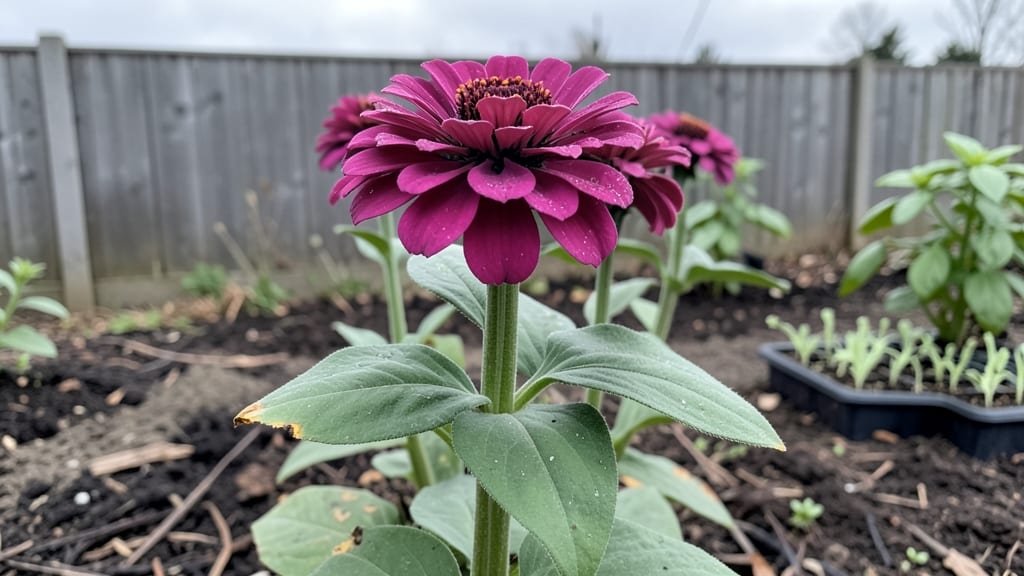
Understanding annual seeds meaning means recognizing plants that grow, flower, and produce seeds all within one season before dying back. Their fast life cycle makes them perfect for gardeners seeking quick results and seasonal variety.
Annuals thrive because they focus all their energy on rapid growth and reproduction rather than maintaining long-term structures like roots or stems. 🌱 This trait makes them ideal for short-season climates or gardeners who want to refresh their spaces yearly.
Many popular vegetables—like tomatoes, lettuce, and beans—fall into this category, offering both practicality and vibrant color to landscapes.
What sets annuals apart is their complete reliance on seed propagation—unlike perennials that regrow from roots or biennials that take two years to flower.
This means you'll need to replant annuals each season, but their quick turnaround gives you more flexibility to experiment with different varieties and colors in your garden.
💡 In This Article
- How Annual Seed Life Cycles Differ from Perennials and Biennials
- Best Annual Seeds for Beginner Gardeners and Seasonal Planting
How annual seed life cycles differ from perennials and biennials
Annual plants allocate nearly all their energy toward rapid growth, flowering, and seed production within 60-180 days, depending on the species. This accelerated life cycle contrasts sharply with perennials, which invest heavily in developing deep, persistent root systems that store energy for multiple growing seasons.
For example, a sunflower completes its entire cycle in about 90-120 days, while a peony perennial may take 3-5 years to reach full bloom. 🌻
The key difference lies in their root structures: annuals develop shallow, fibrous roots that maximize nutrient absorption quickly, while perennials grow extensive taproots or rhizomes that survive winter dormancy.
Biennials like carrots or onions take a middle path—they focus on leaf and root growth in their first year, then flower and seed in the second. This two-year strategy allows them to store energy underground, unlike annuals that prioritize above-ground reproduction.
Climate zones heavily influence annual behavior. In cool-season regions (USDA Zones 3-6), annuals like lettuce and peas germinate early but complete their cycle before summer heat arrives. Meanwhile, in warm climates (Zones 7-11), annuals like okra and sweet potatoes thrive year-round, demonstrating how temperature dictates their life cycle timing.
This adaptability explains why annuals dominate seasonal gardens—they can be timed precisely with local weather patterns.
Energy allocation is the critical factor: annuals sacrifice longevity for speed, while perennials prioritize survival. For instance, a tomato plant (annual) puts 70-80% of its energy into fruit production, whereas a raspberry bush (perennial) divides energy between roots, canes, and berries over decades.
This trade-off makes annuals ideal for gardeners seeking quick harvests but requires replanting each year.
Consider the biological clock of annuals: they've evolved to capitalize on ephemeral growing conditions. Their seeds remain dormant until conditions are perfect—moisture, warmth, and sunlight—then they germinate, grow, flower, and set seed within weeks.
This contrasts with perennials that spread their reproductive energy across years, ensuring survival even if some seasons fail. 🌱
For gardeners, this means annuals offer seasonal flexibility—you can experiment with different varieties each year without long-term commitments. Perennials, however, provide year-after-year returns with less maintenance once established. Biennials offer a compromise, ideal for gardeners who want a two-year cycle with minimal replanting.