Pests
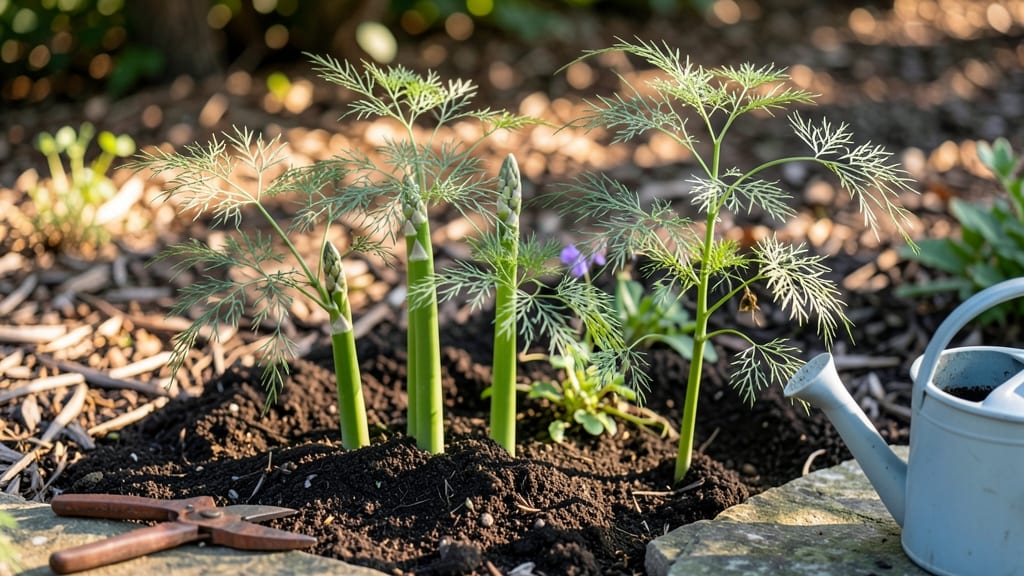
When asparagus seeding out turns your garden into a pest magnet, the fix starts with soil that’s too inviting for weeds and insects. I’ve seen entire asparagus beds choked by volunteer seedlings and nibbled down by slugs—until I learned the right way to manage them before they become problems.
The key isn’t just pulling sprouts; it’s creating conditions where your asparagus thrives while keeping pests at bay.
Start with a deep, well-drained trench (12-18 inches wide, 6-8 inches deep) filled with compost-rich soil. Space crowns 12-18 inches apart—crowding invites disease and makes seeding out worse. After planting, mulch heavily with straw or wood chips to smother weeds before they sprout.
This isn’t just about looks; it’s about giving your asparagus the head start it needs while starving out competitors.
Once your asparagus crowns establish (usually 2-3 years), you’ll see fewer unwanted seedlings because the mature plants outcompete weeds. But here’s the game-changer: hand-pull any volunteer sprouts within 30 days—they’re not just weeds, they’re future pests.
A quick weekly check keeps your bed clean without chemicals, and your asparagus will reward you with thick, spearing shoots by year three.
This method works in zones 3-9, whether you’re in a cool Pacific Northwest climate or a hot Southern summer. The secret? Consistency—mulch, monitor, and maintain—and your asparagus will stay the star of the garden, not the pest’s buffet.
The Real Culprits Behind Spread
When your asparagus plants start seeding out—sending up unwanted shoots far from the main crown—it’s usually a mix of biological quirks and garden oversight. Understanding these triggers helps you nip the problem in the bud before your yard turns into an asparagus jungle.
Here’s why it happens, broken down by the most common causes:
The asparagus crown (the thick, woody base of the plant) is a powerhouse. When conditions are perfect—think rich soil, ample moisture, and full sun—it can produce suckers (those rogue shoots) as a survival strategy.
These suckers are essentially insurance policies: if the main crown is damaged or stressed, the plant bets on these offshoots to keep growing.
Why it escalates:
- Crowded roots: Asparagus crowns expand over time. If they’re planted too close together (or if you’ve been adding new crowns nearby), the roots compete for space, triggering the crown to send out shoots to colonize new territory.
- Excess nitrogen: Too much fertilizer—especially high-nitrogen types—spurs rapid growth. The plant prioritizes spreading over producing spears, leading to more suckers. Think of it like a toddler with too much sugar: hyperactive and unruly.
- Old age: Mature asparagus beds (5+ years old) often seed out more aggressively. The crowns are established and have the energy to invest in reproduction.
💡 Pro Tip: If your bed is over 5 years old, consider rotating or dividing the crowns to reset their energy focus.
Asparagus plants are tough, but they’re not invincible. When under attack from pests or diseases, the crown may panic and produce suckers as a defensive (or reproductive) measure. This is especially true for:
| Pest/Disease | How It Triggers Suckers | Signs to Watch For |
|---|---|---|
| Asparagus Beetles | These chewers stress the plant by damaging foliage and spears. The crown perceives this as a threat to its survival. | Small, black-and-red beetles on spears; chewed leaves with notched edges. |
| Root Rot (Fusarium/Ophiobolus) | Fungal infections weaken the crown’s root system, forcing it to send out shoots to escape the compromised zone. | Yellowing fronds, mushy roots, or sudden spear die-off. |
| Crown Borers | Larvae tunnel into the crown, disrupting nutrient flow. The plant responds by producing suckers to outsource growth. | Wilting fronds, sawdust-like frass near the base, or hollow stems. |
🔥 Action Step: If you suspect pests or disease, act fast. Healthy plants are less likely to seed out frantically.
Asparagus is a perennial, meaning it’s in your garden for the long haul. But if the environment changes—like sudden drought, waterlogging, or soil compaction—the crown may throw a tantrum by sending out suckers. Here’s how:
- Drought stress: When soil dries out, the crown’s access to water is cut off. Suckers sprout in search of moister soil, even if it means growing outside the bed.
- Poor drainage: Waterlogged soil suffocates roots, triggering the crown to escape upward via suckers. This is common in clay-heavy soils.
- Temperature swings: Asparagus thrives in USDA Zones 3–10, but extreme heat or cold can shock the crown. Sudden freezes or scorching summers may prompt it to reproduce as a survival tactic.
- Compacted soil: Heavy foot traffic or machinery can crush the root zone, limiting nutrient uptake. The crown compensates by sending out shoots to find better real estate.
🌡️ Pro Tip: Test your soil’s pH and drainage. Asparagus prefers 6.0–7.5 pH and well-draining soil. Amend with compost or sand if needed.
Not all asparagus is created equal. Some hybrid varieties (like ‘Jersey Knight’ or ‘Purple Passion’) are bred to be less aggressive, while heirloom or wild types may seed out more readily. Even within the same plant, genetics can play a role:
- Hybrid vs. heirloom: Most commercial hybrids are selected for low sucker production, but older varieties (like ‘Mary Washington’) may throw more shoots.
- Male vs. female plants: Female asparagus plants produce berries (which contain seeds), while males do not. If your bed has both, the females may seed out more aggressively to spread their genes.
- Seed-grown vs. crown-planted: Asparagus grown from seed (rather than crowns) can be more unpredictable, with higher sucker rates due to genetic variability.
✨ Solution: If you’re dealing with a high-seeding variety, consider replacing it with a low-sucker hybrid like ‘Pacific 2000’ or ‘Back Limbo.’
Stop Asparagus Spread Naturally
Now that you understand why asparagus spreads uncontrollably, let’s tackle the problem with practical, eco-friendly solutions. The key is acting fast—whether you’re dealing with volunteer shoots popping up in your garden beds or aggressive rhizome growth invading lawns and pathways.
Below, we’ve mapped out cause-specific fixes and prevention tips to keep your garden tidy and your asparagus where you want it.
If your asparagus is spreading like weeds, the rhizomes are likely too close to the surface or fragmenting during harvest. Here’s how to reclaim control:
🔪 Step 1: Locate the Crown
- When? Early spring (before new shoots emerge) or late fall (after harvest).
- How? Gently dig around the base of the plant with a hand trowel or spade, following the rhizomes underground.
Look for thick, knobby roots—these are the crowns. - Pro Tip: 💡 Mark the area with stakes or flags to avoid damaging roots during future digging.
🧹 Step 2: Prune Aggressive Rhizomes
- Cut back any rhizome sections that are more than 6–12 inches away from the main crown.
Dispose of these in the trash (not compost)—they’ll regrow! - For stubborn spreaders, use clean, sharp shears to sever rhizomes at a 45-degree angle to prevent regrowth. - Warning: ⚠️ Wear gloves—asparagus roots can be sharp!
🌿 Step 3: Replant Strategically
- Space new crowns at least 12–18 inches apart in a trencher (a narrow, deep planting bed).
- Mulch heavily (3–4 inches of straw or wood chips) to suppress new shoots and discourage rhizome movement.
- Prevention Tip: ✨ Plant barrier plants like comfrey or daylilies around the edges to naturally inhibit spread.
Those pesky random shoots popping up in flower beds or walkways? They’re escaped rhizome fragments. Here’s how to stop them:
🍳 Step 1: Smother with Mulch or Cardboard
- Lay down a thick layer (4+ inches) of cardboard or newspaper over the area, then top with mulch or straw.
- Weed-block fabric (landscape fabric) can also work, but remove it in late winter to let sunlight kill remaining shoots.
- Pro Tip: 🌡️ For best results, water thoroughly after mulching to help it stick and suppress growth.
🔥 Step 2: Solarize the Soil (For Stubborn Areas)
- When? Late spring or early summer (when temps are consistently above 85°F).
- How? Cover the area with clear plastic sheeting (secured tightly) for 4–6 weeks.
The heat will kill rhizome fragments and weeds. - Bonus: This method also sterilizes soil for future planting!
🚫 Step 3: Hand-Pull Early & Often
- Pull shoots when they’re 1–2 inches tall—they’re easier to remove before roots establish.
- Twist gently to avoid breaking the root (which can fragment and spread).
- Prevention Tip: 🎯 Monitor edges of your asparagus bed weekly—early removal saves hours of work later!
The best way to stop asparagus from seeding out? Plan ahead with these garden design tricks:
| Problem | Solution | Prevention Tip |
|---|---|---|
| Rhizomes spreading | Plant in deep trenches (12" wide x 6" deep) | Use landscape fabric at the bottom before adding soil. |
| Fragmented roots | Harvest carefully—never pull spears from the ground. | Use a fork to loosen soil before cutting. |
| Volunteers in lawns | Mow high (4"+) to shade out shoots. | Spot-treat with vinegar spray (1 gallon vinegar + 1 oz dish soap) for stubborn patches. |
| Weak crowns | Fertilize in early spring with balanced 10-10-10. | Avoid over-fertilizing—too much nitrogen = softer, easier-to-break rhizomes. |
- 🔥 Solarize bare soil in fall/winter to kill dormant rhizomes.
- 🌡️ Keep soil moist but not soggy—dry conditions weaken rhizome growth.
- 🚜 Rotate crops—asparagus is perennial, so don’t plant it where it’s grown before unless you’ve removed all rhizomes.
- 🛡️ Use a "living mulch" like clover or creeping thyme between rows to outcompete weeds and suppress shoots.
By combining physical removal, smothering techniques, and smart garden design, you can reclaim your garden from asparagus takeover—without chemicals. Start with the fixes that match your biggest problem, then stay vigilant with prevention. Your future self (and your lawn) will thank you! 🌿✨
Frequently asked questions about asparagus spread
Why does asparagus spread so aggressively in my garden?
Asparagus spreads through underground rhizomes, which naturally expand to colonize new space. This happens most when conditions are ideal—rich soil, ample moisture, and full sun. Over-fertilizing (especially with nitrogen) or planting crowns too close together can also trigger excessive spreading.
How can I tell the difference between asparagus shoots and weeds?
Young asparagus shoots have a tight, closed bud at the tip and grow in clusters from the crown. Weeds usually have open buds or grow singly. If you’re unsure, dig gently—true asparagus will have a thick, woody base (the crown) connected to the shoot.
Is it safe to compost asparagus rhizomes or shoots?
No, never compost asparagus rhizomes or shoots—they’ll just regrow! Dispose of them in the trash or bury them deeply (at least 12 inches) where they can’t sprout. Even small fragments can produce new plants.
Can I replant asparagus shoots that pop up elsewhere in my yard?
Yes, but only if they’re healthy and you’ve confirmed they’re from your main bed (not wild asparagus). Dig up the entire root system, replant it in your designated asparagus trench, and space it properly (12–18 inches apart). This prevents future spread.
How long does it take for asparagus to stop spreading after I prune the rhizomes?
With consistent maintenance, you’ll see a significant reduction in new shoots within 4–6 weeks. However, asparagus is persistent—continue monitoring and removing any regrowth. Mulching heavily (3–4 inches) will also help suppress future spread.