Featured
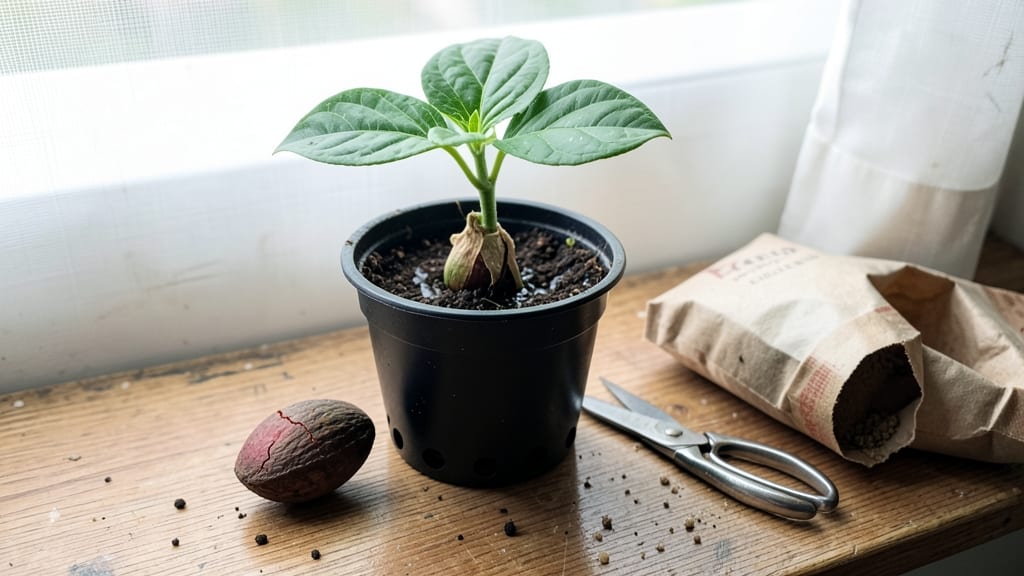
Growing an avocado plant from a red-seeded pit turns your kitchen into a mini jungle. 🌱 The process starts with a simple household item—an avocado pit—and ends with glossy, tropical leaves that make any room feel like a rainforest corner.
I’ve sprouted three myself, and the red-seeded varieties actually germinate faster than the green ones, which is a pleasant surprise for impatient gardeners.
The trick is patience and consistency. You’ll need toothpicks, a jar, and a sunny windowsill to start, but the real secret lies in keeping the water level just right—too much causes rot, too little stalls growth.
Most people quit when mold appears on the water, but a quick rinse and fresh change of water keeps things moving. Within 4-6 weeks, you’ll see roots and a sprout breaking through the pit.
Once the roots hit 4-6 inches, it’s time to plant in soil. A mix of potting soil and perlite gives your seedling the drainage it craves, and a 6-inch pot is perfect for the first year.
Place it in bright, indirect light—no harsh afternoon sun yet—and you’ll watch it grow 12-18 inches by its first birthday. The first leaves are small and waxy, but they’ll soon thicken into the classic avocado shape.
Common challenges like yellowing leaves or slow growth usually mean overwatering or insufficient light. Red-seeded avocados are tougher than they look, though—just adjust your care, and you’ll have a thriving plant that could live for decades.
The real magic? That first bloom, years down the road, when you realize your tiny kitchen experiment became a living piece of art.
Root Causes Of Red Avocado Seed
That striking crimson blush on your avocado seed isn’t just a quirky coincidence—it’s a fascinating biological response to environmental and developmental cues. Understanding why it happens starts with peeling back the layers of science behind this vibrant transformation.
Let’s explore the key factors that turn a plain seed into a stunning natural masterpiece.
The most common cause of a red avocado seed is overripe fruit. When an avocado reaches peak ripeness, its flesh softens, and the seed begins to undergo metabolic shifts.
The seed’s outer layer, called the exocarp, contains compounds like anthocyanins (the same pigments that give red cabbage or raspberries their color). As the fruit ages past its prime, these pigments become more active, leading to that bold red hue.
Why it happens:
- 🔬 Ethylene gas buildup: As the avocado ripens, it releases ethylene, a plant hormone that accelerates aging. This hormone signals the seed to shift its energy focus from growth to defense and pigment production.
- 🌡️ Temperature fluctuations: If the avocado was stored in warm conditions after picking, the seed’s metabolic rate speeds up, accelerating the pigmentation process.
- 💧 Moisture loss: A slightly dehydrated seed (but not dried out) can concentrate anthocyanins, intensifying the red color.
Pro tip: 💡 If you want to encourage this effect, let your avocado ripen fully on the counter before cutting it open. The longer it sits at room temperature, the more likely the seed will develop a deep red tint.
Sometimes, the seed’s red color isn’t just about ripeness—it’s a survival response to stress. When an avocado seed experiences nutritional or environmental stress, it may produce antioxidants like anthocyanins as a protective measure. Think of it like a plant’s version of tanning—building a defense against potential damage.
Key stressors that trigger red:
- 🌞 Light exposure: Seeds left in bright light (even after removal from the fruit) can develop red hues as a photoprotective response. The pigments help shield the seed from UV damage.
- 🌡️ Temperature swings: Sudden changes—like moving the avocado from a fridge to a warm kitchen—can stress the seed, prompting pigment production.
- 💧 Uneven moisture: If the seed dries out partially (but doesn’t shrivel completely), it may concentrate pigments in response to water loss.
Fun fact: ✨ Some avocado varieties are genetically predisposed to produce more anthocyanins, making their seeds redder even under normal conditions. If you’ve noticed this trait repeatedly, your avocados might just be from a pigment-rich lineage!
Not all avocado seeds turn red—and that’s because genetics play a huge role. Some cultivars, like the Hass or Fuerte varieties, are more likely to develop red seeds due to their natural pigment profiles.
If you’ve grown avocados from seeds before, you might have noticed that some batches consistently produce red seeds while others stay a dull brown.
How genetics influence color:
- 🧬 Anthocyanin production genes: Certain avocado trees carry dominant genes that activate anthocyanin synthesis in the seed, especially under specific conditions.
- 🍃 Hybrid vigor: Seeds from hybrid avocado trees (crosses between different varieties) sometimes exhibit more dramatic pigment changes due to mixed genetic traits.
- 🌱 Seed maturity at harvest: If the fruit was picked early (before full maturity), the seed may not have had enough time to develop its full genetic pigment potential.
Actionable insight: 🎯 If you’re an avocado enthusiast, try growing seeds from different varieties to see which ones naturally produce red seeds. Document your findings—you might discover a new favorite!
While the red avocado seed is a stunning natural phenomenon, it’s also a reminder of how deeply connected a fruit’s appearance is to its biology. Whether it’s ripeness, stress, or genetics at play, this vibrant trait is just one more way nature surprises us with beauty in unexpected places.
Reviving Your Avocado Seed’s Vibrancy
If your avocado seedling’s leaves have turned an unexpected red, don’t panic—this is often a sign of stress, but it’s also a chance to nurse it back to health!
Below are practical, step-by-step solutions tailored to the most common causes, along with prevention tips to keep your seedling thriving. Let’s turn that red back to lush green!
Signs: Yellowing leaves with red edges, soggy soil, or a musty smell.
How to Fix It: 🔥 Step 1: Let It Dry Out
- Remove the seedling from its pot and gently shake off excess soil to check for waterlogged roots. If the soil feels damp or sticky, stop watering immediately for 3–5 days.
🍳 Step 2: Repot in Well-Draining Soil - Use a mix of potting soil, perlite, and coco coir (50/30/20 ratio) to improve aeration. Avoid heavy garden soil—it retains too much moisture. - Choose a pot with drainage holes (or drill some if needed).
Terracotta pots are ideal—they wick away excess water.
👨🍳 Step 3: Adjust Your Watering Routine
- Water only when the top 1–2 inches of soil are dry. Stick your finger in—if it’s damp, wait.
- Bottom-watering (placing the pot in a tray of water for 10–15 minutes) prevents overwatering while keeping roots hydrated.
🥘 Step 4: Trim Damaged Leaves
- Snip off yellow or mushy leaves with clean scissors to redirect energy to healthy growth.
Prevention Tips: ✨ Use a moisture meter to track soil dryness. 🌡️ Place the pot in bright, indirect light—overwatering worsens in low light. 🎯 Avoid misting—avocado seedlings hate wet foliage.
Signs: Reddish-purple leaves, crispy edges, or wilting despite moist soil.
How to Fix It: 🔥 Step 1: Move to Indirect Light
- Avocado seedlings thrive in bright, filtered light (like near an east-facing window). If outdoors, provide afternoon shade with a sheer curtain or mesh screen.
🍳 Step 2: Acclimate Gradually
- If transitioning from indoors to outdoors, start with 1–2 hours of sun per day, increasing by 1 hour weekly. Sudden exposure causes shock!
👨🍳 Step 3: Increase Humidity (Without Overdoing It)
- Place the pot on a pebble tray with water (not touching the bottom) or use a humidifier nearby. Avoid soggy soil—humidity alone won’t fix drainage issues.
🥘 Step 4: Check for Heat Scorch
- If leaves feel hot to the touch, move the seedling to a cooler spot (e.g., away from radiators or direct sunlight).
Prevention Tips: 💡 Rotate the pot weekly for even light exposure. 🔥 Avoid cold drafts—avocados hate temperature swings. 🌿 Group seedlings together to create a microclimate with stable humidity.
Signs: Reddish-purple undersides of leaves, stunted growth, or leaf drop.
How to Fix It: 🔥 Step 1: Flush the Soil
- If you’ve overfertilized, water thoroughly with plain water for 2–3 weeks to leach out excess salts. Use rainwater or distilled water if possible.
🍳 Step 2: Feed Lightly and Correctly
- Avocado seedlings need low nitrogen, high potassium fertilizer. Use a balanced 10-10-10 or 5-10-10 fertilizer diluted to half-strength every 6–8 weeks.
- Avoid synthetic fertilizers—try compost tea or worm castings for organic nutrients.
👨🍳 Step 3: Boost Magnesium (If Leaves Are Yellow Between Veins)
- Mix 1 tsp of Epsom salt into 1 gallon of water and water the soil once a month. This fixes magnesium deficiency, a common cause of reddening.
🥘 Step 4: Check pH Levels
- Avocados prefer slightly acidic soil (pH 6.0–7.0). Test your soil with a DIY pH kit and adjust with lime (to raise pH) or vinegar (to lower pH) if needed.
Prevention Tips: 📊 Test soil before fertilizing—overfeeding is worse than underfeeding! 💪 Use slow-release granules instead of liquid fertilizers for steady nutrition. 🥗 Add banana peels (chopped) to the soil for natural potassium.
Signs: Reddish-brown spots on leaves, sticky residue (honeydew), or tiny bugs on stems.
How to Fix It: 🔥 Step 1: Identify the Culprit
- Spider mites (tiny red dots) or scale insects (brown bumps) are common. Shine a flashlight on leaves to spot them.
🍳 Step 2: Isolate and Wipe Down
- Move the seedling away from other plants to prevent spread. Use a damp cloth or cotton swab dipped in rubbing alcohol to gently remove pests.
👨🍳 Step 3: Spray Natural Remedies
- Neem oil spray (1 tsp neem oil + 1 tsp mild soap + 1 quart water) applied weekly for 2 weeks kills pests without harming the plant.
- Insecticidal soap (store-bought) works for soft-bodied bugs like aphids.
🥘 Step 4: Strengthen the Seedling
- Boost immunity with a garlic or chili spray (blend 1 garlic clove or 1 chili pepper with 1 quart water, strain, and spray). Pests hate the smell!
Prevention Tips: ✨ Inspect new plants before bringing them home. 🌿 Encourage beneficial insects like ladybugs or lacewings. 🔪 Prune infested leaves immediately and dispose of them in sealed bags.
Final Pro Tip: 🌟 Patience is key! Avocado seedlings are resilient. If you address the root cause (literally and figuratively), those red leaves will turn green again in 2–4 weeks. Keep a growth journal to track progress—you’ll be amazed at how quickly they bounce back!
Frequently asked questions
Why does my avocado seed turn red?
The red color in avocado seeds comes from anthocyanins, the same pigments found in red cabbage or raspberries. This happens when the seed experiences stress from overripeness, temperature fluctuations, or uneven moisture. It’s actually a protective response to shield the seed from damage!
Can I still grow an avocado plant from a red-seeded pit?
The red color doesn’t affect germination. Just follow the same sprouting method—soak the seed, insert toothpicks, and place it in water. Red-seeded pits often germinate faster than green ones, so you might see roots in as little as 2-3 weeks.
What’s the best way to prevent mold in the water during sprouting?
Change the water every 2-3 days and use a shallow container to expose more surface area. Adding a few drops of hydrogen peroxide (1%) to the water can also help inhibit mold growth while keeping the seed healthy.
Will my red-seeded avocado plant produce fruit?
Seed-grown avocados rarely bear fruit indoors—they need years of warm weather and pollination from another tree. However, they make stunning houseplants! If you want fruit, consider grafting or buying a mature tree, but the journey of growing from a seed is rewarding enough.
How do I know when to transplant my seedling to soil?
Wait until roots reach 4-6 inches long. The seedling should also have 2-3 healthy leaves. Use a 6-inch pot with well-draining soil and place it in bright, indirect light. Avoid direct sun for the first few weeks to prevent shock.