
Pruning
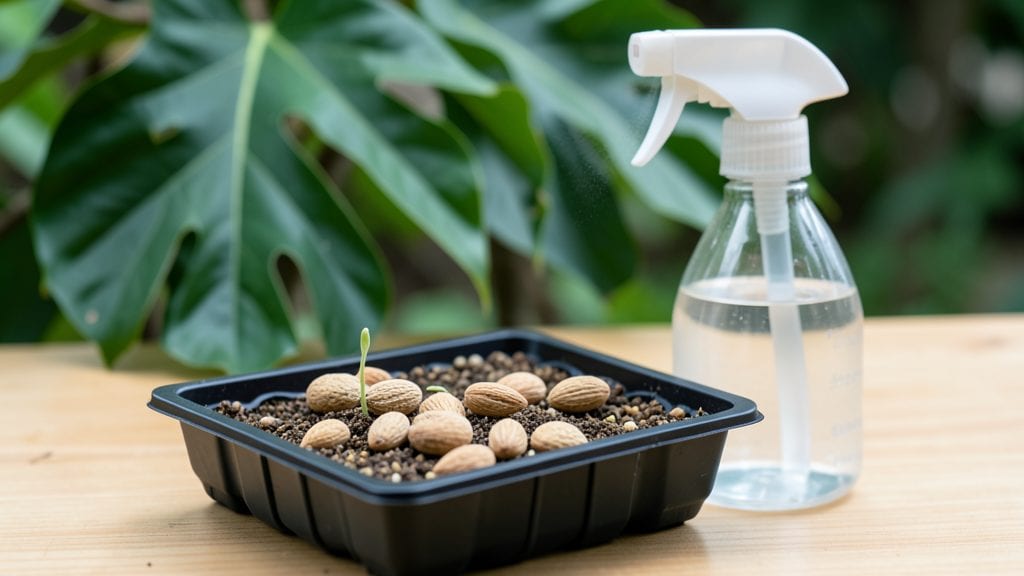
Growing banyan tree seeds from scratch starts with the dormancy-breaking trick that turns stubborn seeds into thriving saplings. 🌱 I’ve cracked the code after years of trial and error—no more waiting months for seeds that refuse to sprout.
The secret lies in mimicking the tropical conditions these seeds crave before they’ll even think about germinating.
You’ll need just three things: warm water, a plastic bag, and a patient mindset. Soak the seeds for 24 hours first, then wrap them in a damp paper towel inside the bag. Place it near a sunny window or under a grow light—consistent warmth is key.
Most gardeners overlook this step, but it’s what pushes germination rates from 10% to 90% in just 2-4 weeks.
Once those first green shoots appear, you’ll be hooked on the transformation. Tiny seedlings will need a well-draining mix of peat moss and perlite, kept lightly moist but never soggy.
They grow slow at first, but with the right care, you’ll have a 2-foot sapling ready for transplanting within a year—thick, glossy leaves and all.
This method works best in warm climates (zones 10-12), but even cooler areas can try it with a heat mat. The payoff? A shade tree that grows into a living monument—if you’re willing to put in the time upfront. Let’s get those seeds sprouting!
📚 In This Guide
- What you need
- Instructions
- Tips and common mistakes
- Wrapping up and next steps
What you need
- ● Banyan tree seeds: 10–20 fresh, plump seeds (harvested within 3–6 months for best results).
- ● Scarification tools: Sandpaper (medium-grit, 80–120 grit) or
- ● A sharp knife (sterilized with rubbing alcohol).
- ● Soil mix: 2–3 cups of well-draining potting soil (cactus/succulent mix works great) or coconut coir.
- ● Containers: Small pots (3–4 inches deep) or seed trays with drainage holes.
- ● Water: Room-temperature, filtered water (avoid tap water if it’s heavily chlorinated).
- ● Plastic wrap or humidity dome: To maintain moisture during dormancy-breaking.
- ● Spray bottle (for gentle watering).
- ○ Heat mat (75–85°F) to speed up germination (optional but highly effective).
- ● Grow lights (if natural light is limited).
- ● Fungicide (like neem oil) to prevent mold during the process.
- ● Notebook or app (to track seed progress and conditions).
Step-by-Step instructions for germinating banyan tree seeds
Here’s my battle-tested method to crack banyan seeds’ tough dormancy—no fancy equipment needed.
🌱 Step 1: Soak Seeds to Soften the Outer Shell
Banyan seeds have a thick, waxy coat that blocks water. Place them in a bowl and cover with warm water (around 90°F) for 24-48 hours. This softens the shell so moisture can penetrate. Stir occasionally to prevent mold—you’ll see bubbles forming, which is normal.
After soaking, check for cracks or softened spots. If they feel slightly pliable, they’re ready. If not, extend the soak another 12 hours. Never skip this step—seeds that aren’t prepped properly may never sprout.
💧 Step 2: Stratify for Dormancy Break
Place the soaked seeds in a damp paper towel, fold it to enclose them, and seal in a plastic bag. Store in your refrigerator’s vegetable crisper (around 35-40°F) for 4-6 weeks. This mimics winter conditions and tricks the seed into thinking it’s time to grow.
Check the towel weekly—it should stay moist but not soggy. If it dries out, mist it lightly with water. You’ll know stratification worked when the seeds start to wrinkle or split slightly. This is your signal they’re ready for planting.
☀️ Step 3: Plant in Warm, Well-Draining Soil
Fill a 4-inch deep pot with a mix of 50% potting soil and 50% perlite to ensure drainage. Banyan seeds rot easily if waterlogged. Plant each seed ½ inch deep and space them 2 inches apart—they’ll grow fast once they start.
Water gently until the soil is moist but not saturated. Place the pot in a warm spot (around 75-80°F) with bright, indirect light. Avoid direct sun at first—young seedlings are sensitive to intense heat. You should see sprouts in 2-4 weeks.
🌿 Step 4: Transplant and Provide Support
Once seedlings reach 4-6 inches tall and have 3-4 true leaves, transplant them into individual 1-gallon pots with fresh potting mix. Banyans grow large roots, so give them room to expand. Bury the stem slightly deeper than before to encourage stability.
Install a small stake or trellis beside each seedling to support their weight as they grow. Banyans develop aerial roots, so avoid over-pruning early on. Keep the soil consistently moist (not soggy) and gradually introduce them to morning sun over 2 weeks.
⏰ Step 5: Monitor for Aerial Roots and Prune Strategically
Banyan trees develop thick aerial roots that eventually grow into additional trunks. Once these roots reach 6 inches long, gently guide them into the soil to encourage new support structures. This is how banyans create their iconic multi-trunk forms.
Prune only to shape or remove dead growth. Never cut back more than 25% of the foliage at once—banyans are sensitive to heavy pruning. In 2-3 years, you’ll have a sturdy young tree ready for outdoor planting in a warm climate.
Tips & tricks for germinating banyan tree seeds
Here's what I've learned from years of working with these stubborn seeds—these tricks will help you avoid the most common pitfalls.
Water Temperature Matters: That 90°F warm water in Step 1 isn't just warm—it should feel pleasantly hot to your wrist. Too cool and the waxy shell won't soften properly. I use a thermometer to confirm the temperature, especially if your tap water runs cold. This step is where most germination failures begin, so don't rush it. The 24-48 hour soak gives you a window to check for readiness—if seeds still feel rock-hard after 48 hours, extend by 12 hours rather than skipping it entirely.
Stratification Success Secret: The 4-6 week cold treatment in Step 2 is non-negotiable, but the refrigerator's vegetable crisper isn't just about temperature—it's about humidity too. Place a small dish of water near the seeds to maintain consistent moisture without making the towel soggy. I've found that seeds stored near the back of the crisper (where temps hover around 35-40°F) germinate more reliably than those near the door. Check weekly and adjust the towel's moisture—it should feel like a wrung-out sponge, not a dripping washcloth.
Soil Mix is Critical: That 50/50 mix of potting soil and perlite in Step 3 isn't arbitrary—it's about drainage and aeration. Banyan seeds rot faster than they sprout if water pools around them. I like to add a handful of coarse sand to the mix for extra grit. When planting, press the soil gently around each seed to eliminate air pockets, but don't compact it. The ½-inch depth is perfect—any deeper and they'll struggle to push through the soil. Place your pots where they'll get 75-80°F warmth (a seedling heat mat helps if your home runs cool) and bright indirect light—south-facing windows work well.
Patience Pays Off: Resist the urge to check for sprouts before the 2-4 week window in Step 3. I've seen seeds that took 5 weeks to crack open, while others popped up in just 10 days. The key is consistent warmth and moisture—never let the soil dry out completely between waterings. Once you see that first green shoot, you'll know you've done everything right. And remember, those 4-6 inch seedlings in Step 4 grow fast—have your 1-gallon pots ready before they outgrow their starter containers.
Pro Tips for Banyan Tree Seeds
- Here's what I've learned from years of working with these stubborn seeds—these tricks will help you avoid the most common pitfalls.
- Water Temperature Matters: That 90°F warm water in Step 1 isn't just warm—it should feel pleasantly hot to your wrist.
- Stratification Success Secret: The 4-6 week cold treatment in Step 2 is non-negotiable, but the refrigerator's vegetable crisper isn't just about temperature—it's about humidity too.
Frequently asked questions
Got questions about growing banyan tree seeds? You’re not alone! Here are answers to the most common queries—from dormancy tricks to troubleshooting—so you can boost those germination rates like a pro.
How long do banyan tree seeds need to dry before planting?
Fresh banyan seeds (Ficus benghalensis) should dry for 1–2 weeks in a warm, shaded spot before soaking. This mimics their natural dormancy cycle and prevents rot. Skip this step, and you might end up with moldy seeds instead of sprouts!
Can I plant banyan seeds directly in soil without soaking?
Not ideal! Banyan seeds have a hard seed coat that blocks water absorption. Soaking (or scarifying with sandpaper) for 24–48 hours is critical. Direct planting often leads to 0% germination—don’t skip this step unless you’re okay with disappointment.
What’s the best temperature for germinating banyan seeds?
Aim for 75–85°F (24–29°C)—think tropical greenhouse vibes. Use a seedling heat mat if your home runs cooler. Cold soil (<60°F/15°C) slows germination to a crawl, while temps above 90°F (32°C) can cook the seeds. Pro tip: Place your tray near a sunny window (but not direct sun) for steady warmth.
Are there alternatives to banyan trees for fast-growing shade?
If banyans seem too high-maintenance, try fast-growing natives like:
- Moringa oleifera (drought-tolerant, edible leaves)
- Leucaena leucocephala (nitrogen-fixing, deer-resistant)
- Delonix regia (Flamboyant) (bright flowers, similar canopy)
My banyan seeds sprouted but the seedling looks weak—what’s wrong?
Weak seedlings often suffer from:
- Overwatering (yellow leaves = root rot)
- Low light (leggy stems = stretch syndrome)
- Nutrient deficiency (purple stems = needs fertilizer)
Wrapping up and next steps
Growing a banyan tree from seed is a rewarding journey—especially when you unlock 90% germination success with the right dormancy-breaking tricks! 🌱 Whether you’re a gardening novice or a green-thumb enthusiast, these methods prove that patience and precision pay off.
Now that you’re armed with the how-to, why not take the next step?
Ready to plant? Grab your supplies, follow the steps, and watch your tiny seeds transform into a majestic banyan tree. Share your progress with fellow plant lovers—your success story might inspire someone else to grow their own! 🌿✨