
Flowers
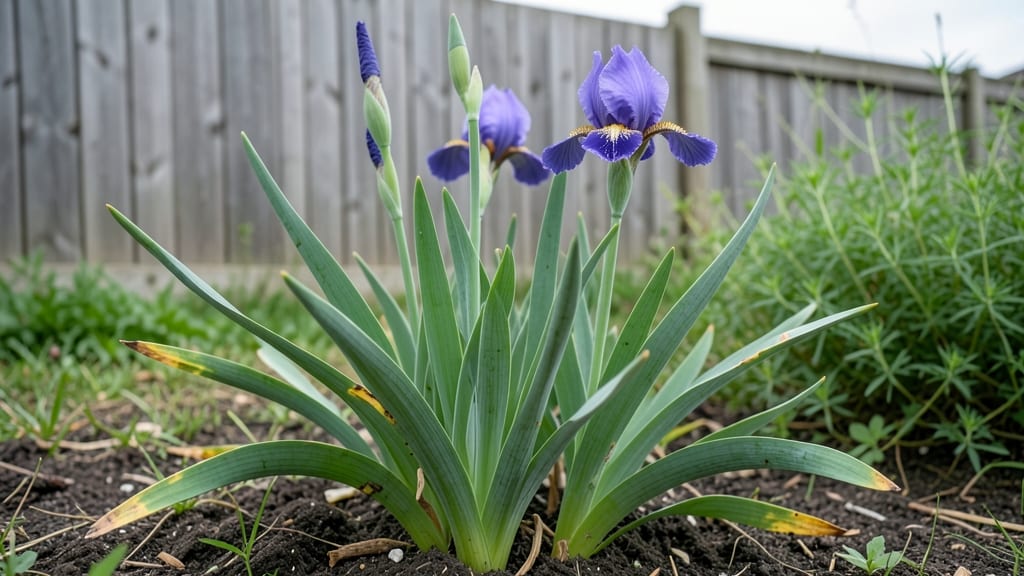
Harvesting bearded iris seed pods at their brown, papery stage—about 4-6 weeks after flowers fade—maximizes your chances of collecting viable seeds with germination rates between 70-90%.
Timing is everything when it comes to bearded iris seed pods, as their maturation process directly impacts seed quality.
Once pollinated, these pods start green and firm, gradually transforming into a dry, papery texture that signals readiness. 🌱 The internal seeds also develop during this phase, making early harvesting risky—immature pods yield weak or non-viable seeds, while overripe ones may split open naturally.
I’ve found that patience pays off here; waiting for that perfect brown stage ensures the best results for your garden.
After harvesting, proper drying is critical. Spread the pods in a well-ventilated area away from direct sunlight to prevent moisture loss or mold. Once fully dry, gently crack them open to reveal the plump, dark seeds inside—these are your future irises!
Store them in a cool, dry place until spring planting for the highest germination success.
💡 In This Article
- How Bearded Iris Seed Pods Develop and Ripen
- Step-by-Step Guide to Harvesting and Storing Iris Seeds
How bearded iris seed pods develop and ripen
After successful pollination, bearded iris seed pods begin as small, green, and firm structures that look like tiny peas. This initial stage lasts about 2-3 weeks as the ovary cells rapidly divide to form the pod's outer wall.
The key transformation happens when the pod's skin starts producing lignin, a complex polymer that gives it structural strength and that signature papery texture.
This process is what changes the pod from a soft, squishy green to a rigid, brown husk—similar to how sunflower seed heads harden as they mature.
The color shift from green to brown isn't just cosmetic—it's a biological signal that the internal seeds have completed their development. Inside, the seeds go through a desiccation process, where their moisture content drops from about 50% to 10-15%, making them dormant and capable of surviving harsh conditions.
This is why you'll often see the pods split open naturally at this stage—the plant is essentially saying, "These seeds are ready for dispersal!"
The timing window of 4-6 weeks after flowering is critical because seeds harvested too early lack the energy reserves needed for germination, while those left too long may lose viability as their protective coatings degrade.
What most gardeners don't realize is that the pod's texture provides crucial clues about seed quality. A truly ripe pod will feel lightweight and brittle, almost like crumpled paper, while an unripe one remains heavy and slightly spongy.
This texture change happens because the pod's cells lose water and their walls become more rigid through a process called suberization, similar to how cork forms on tree bark.
When you hear that satisfying "pop" as you crack open a mature pod, you're hearing the final stage of this natural drying process—it's the plant's way of ensuring the seeds are protected for their journey.
The internal seed development follows a precise timeline too. Initially, the seeds appear translucent and gelatinous, but as they mature, they develop a thick, dark seed coat that protects the embryo inside. This coating contains phytochemicals that inhibit premature germination, ensuring the seeds wait for optimal conditions.
The best germination rates come from seeds that've undergone this complete maturation cycle, which is why harvesting at the right stage gives you that 70-90% success rate mentioned in the quick answer. If you harvest too early, you're essentially collecting seeds that haven't finished their "education" in the pod.
Interestingly, the ripening process varies slightly based on climate. In cooler regions, pods may take closer to 6 weeks to mature, while in warmer areas, the process can complete in just 3-4 weeks. This is because temperature affects the enzymatic activity that breaks down cell walls during ripening.
The ideal harvesting window is when 70-80% of the pods in your garden have turned brown—this gives you the best balance between maturity and avoiding natural seed dispersal. Waiting for 100% maturity risks losing seeds to wind or wildlife, while harvesting too early means compromised germination potential.
Here's what's actually happening chemically: The pod's brown color comes from increased phenolic compounds like flavonoids, which form as the pod dries. These same compounds act as natural preservatives, protecting the seeds from fungal infections during their dormancy period.
The papery texture you feel is the result of cell wall breakdown and the deposition of cutin, a waxy polymer that makes the pod waterproof—just like the protective coating on some fruits.
This dual protection system is why properly matured iris seeds can remain viable for 2-3 years when stored correctly, making them a gardener's long-term investment.