
Pests
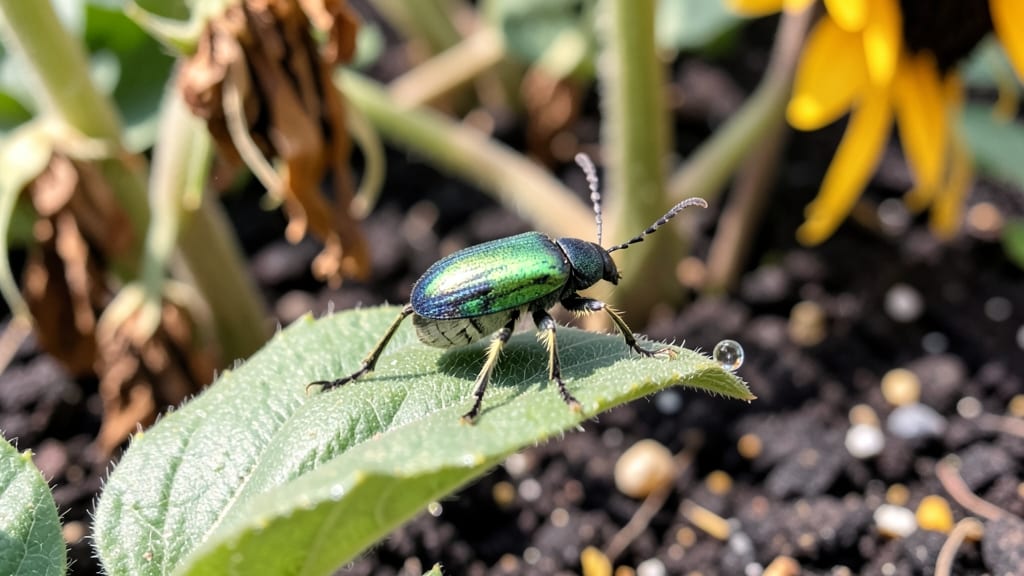
Sunflower seed beetles can turn your towering sunflowers into a hollowed-out mess. 🌻 I learned the hard way when my prize-winning plants ended up looking like they’d been riddled with shotgun blasts—until I discovered these simple, natural traps that actually work.
The beetles target seeds and stems, but they’re drawn to specific scents and colors. A mix of yellow sticky traps, crushed sunflower seeds, and even a shallow dish of beer (yes, really) can lure them away from your plants.
The key is placing traps near the base of sunflowers where beetles congregate at dawn and dusk.
By mid-summer, your sunflowers will stand tall and full, not chewed on and stunted. The traps work best when combined with regular inspections—check for tiny black beetles or their larvae hiding in seed heads. Once you spot them, the damage is already done, but prevention keeps them from returning.
Works for backyard gardens, small farms, and even container-grown sunflowers. The best part? No harsh chemicals—just smart placement and a little beetle psychology. Let’s get those sunflowers back to their full glory.
Root Causes Of Seed Damage
Sunflower seed beetles—tiny but destructive—don’t just appear out of nowhere. Their presence in your stored seeds or fields is almost always tied to specific conditions that make your crops or storage an irresistible buffet.
Understanding these triggers is the first step to stopping them before they cause real harm. Here’s why these pests target your seeds and how they exploit your storage or growing setup.
Sunflower seed beetles thrive in seeds that are partially dried but still moist enough to support their larvae. If you harvest sunflowers too early or leave them in the field too long, you’re creating the perfect breeding ground.
- Why it happens: Beetles lay eggs in seeds with 10-15% moisture content—ideal for larval development. If seeds aren’t fully dry (<7% moisture), larvae burrow in, feeding and multiplying.
- Actionable fix:
- Harvest when seeds are fully mature (black and dry to the touch).
- Use a grain moisture tester to confirm levels before storage.
- Dry seeds rapidly with proper ventilation or mechanical dryers to drop moisture below 8%.
Even the cleanest storage can become a beetle hotspot if basic hygiene and environmental controls fail. These pests don’t need much—just a little warmth, humidity, and access to food.
| Risk Factor | Why It Attracts Beetles | How to Prevent It |
|---|---|---|
| High humidity | Beetles need 60-70% relative humidity to survive and reproduce. Damp air keeps seeds moist, extending larval development. | Use dehumidifiers or silica gel packs in storage bins. |
| Poor ventilation | Stagnant air traps heat and moisture, speeding up beetle life cycles. Warmth (above 75°F) accelerates their reproduction. | Install ventilation fans or store seeds in well-ventilated containers. |
| Old or dirty bins | Residue from past infestations (eggs, larvae, or adult beetles) can survive for years in cracks and crevices. | Clean bins with food-grade disinfectants or replace them if heavily infested. |
Beetles don’t just target sunflower fields—they hide in nearby weeds, crop residues, and alternative host plants. If your field is surrounded by unmanaged vegetation, you’re rolling out the welcome mat.
- Why it happens:
- Weeds like wild sunflowers, ragweed, or pigweed host beetles year-round, serving as a reservoir for reinfestation.
- Stubble and plant debris provide shelter for overwintering adults, letting them return to your fields in spring.
- Actionable fix:
- Clear all plant debris from fields post-harvest using tillage or burning (where legal).
- Apply pre-emergent herbicides to control weeds before planting.
- Rotate crops with non-host plants (e.g., corn, soybeans) to break the beetle life cycle.
Sunflower seed beetles are opportunistic—they exploit gaps in your storage or field checks. Without regular inspections, they can establish colonies before you even notice.
- Why it happens:
- Beetles are nocturnal and hide in seed crevices or soil during the day, making them hard to spot.
- Warm storage temperatures (80°F+) can double their breeding rate in as little as 3 weeks.
- Infestations often start in small batches (e.g., a single bag) before spreading.
- Actionable fix:
- Store seeds in cool, dark places (ideal: 50-60°F).
- Check stored seeds weekly for signs like frass (fecal pellets), chewed seeds, or tiny holes.
- Use temperature logs or data loggers to monitor storage conditions.
Practical ways to trap and eliminate seed-eating pests
Once you’ve identified the culprits—whether they’re sunflower seed beetles or other hungry invaders—it’s time to take action. The good news? You don’t need harsh chemicals to keep your seeds safe. Below are targeted, natural solutions tailored to the most common causes of seed damage, from storage issues to outdoor infestations. Each method is designed to be effective, affordable, and easy to implement—so you can reclaim your seeds without stress.
If your seeds are being devoured inside containers, the issue is almost always poor storage. Here’s how to fortify your seed stash:
🔒 Step 1: Upgrade Your Containers
- Use airtight, food-grade containers (glass jars, metal tins, or heavy-duty plastic with rubber seals).
- Avoid cardboard or thin plastic—these are like all-you-can-eat buffets for beetles.
- Pro tip: 💡 Add a small packet of dried silica gel or food-grade diatomaceous earth (DE) to the container.
These absorb moisture and deter pests naturally.
🌡️ Step 2: Control Temperature and Humidity
- Store seeds in a cool, dark place (like a pantry or basement) where temps stay below 70°F (21°C).
- Freeze susceptible seeds (like sunflower seeds) for 48 hours to kill any lurking eggs or larvae before storing.
- Prevent condensation—moisture attracts pests.
Use a dehumidifier or rice grain moisture absorbers in your storage area.
👀 Step 3: Regular Inspections
- Check seeds every 2–3 months for signs of webbing, tiny holes, or frass (insect droppings).
- Discard any damaged seeds immediately—don’t risk reinfesting your entire stash.
If beetles are attacking seeds before harvest or in garden soil, you’ll need a two-pronged approach: trapping and habitat disruption.
🍯 DIY Trap Bait (Works in 24 Hours) 1. Mix equal parts:
- Molasses (fermented sugar = beetle magnet)
- Water
- A splash of vinegar (enhances scent) 2. Soak cardboard or burlap in the mixture and hang it near seed plants or storage areas.
- Check traps daily—drown trapped beetles in soapy water and reset the trap every 2–3 days.
🌿 Disrupt Breeding Grounds
- Remove plant debris (stems, fallen leaves) where beetles lay eggs.
- Rotate crops—don’t plant sunflowers (or similar seeds) in the same spot year after year.
- Encourage natural predators like birds, spiders, and ground beetles by planting dill, fennel, or marigolds nearby.
🔥 Heat or Cold Treatment for Soil
- Solarization: Cover infested soil with clear plastic for 4–6 weeks in hot sun to bake out larvae.
- Freeze soil in containers for 72 hours if solarization isn’t an option.
Even after elimination, pests can sneak back in. Break the cycle with these habits:
- Wash and dry containers thoroughly before reuse—boiling water kills eggs.
- Store seeds in small batches—the less you have out, the less risk of contamination.
- Avoid overcrowding seeds in containers—beetles thrive in dense, humid conditions.
- Pro tip: ✨ Plant trap crops like nasturtiums or radishes to lure pests away from your sunflowers.
With these strategies, you’ll not only eliminate existing beetles but also create a pest-proof environment for your seeds. The key is consistency—combine storage fixes with outdoor traps for long-term success. Now, go forth and protect your harvest like a pro! 🚀
Frequently asked questions
What do sunflower seed beetles look like?
Adult sunflower seed beetles are tiny—about 1/8 inch long—with a shiny black body and distinctive yellow-orange markings on their wing covers. Larvae are white, legless grubs that burrow into seeds, making them harder to spot until damage appears.
How do I know if my sunflower seeds are infested?
Look for tiny holes in seeds, frass (black fecal pellets), or webbing inside seed heads. You may also see adult beetles crawling on plants at dawn or dusk. If seeds feel hollow when shaken or smell musty, it’s a clear sign of larvae activity.
Can I use beer traps for sunflower seed beetles?
Yes! A shallow dish of beer works because beetles are attracted to fermented scents. Place it near sunflower plants or storage areas, and check it daily—drown trapped beetles in soapy water. For best results, add a drop of vanilla extract to enhance the lure.
Are sunflower seed beetles harmful to humans?
No, they don’t bite or sting humans, and their presence in seeds doesn’t make them unsafe to eat. However, infested seeds may be chewed or hollowed out, reducing nutritional value. Always inspect seeds before consumption or storage.
How long does it take for beetle traps to work?
DIY traps like molasses-soaked cardboard or beer baits can start catching beetles within 24 hours, but consistent trapping over 1-2 weeks is needed to break their life cycle. Combine traps with habitat changes (like removing plant debris) for faster results.