
How To
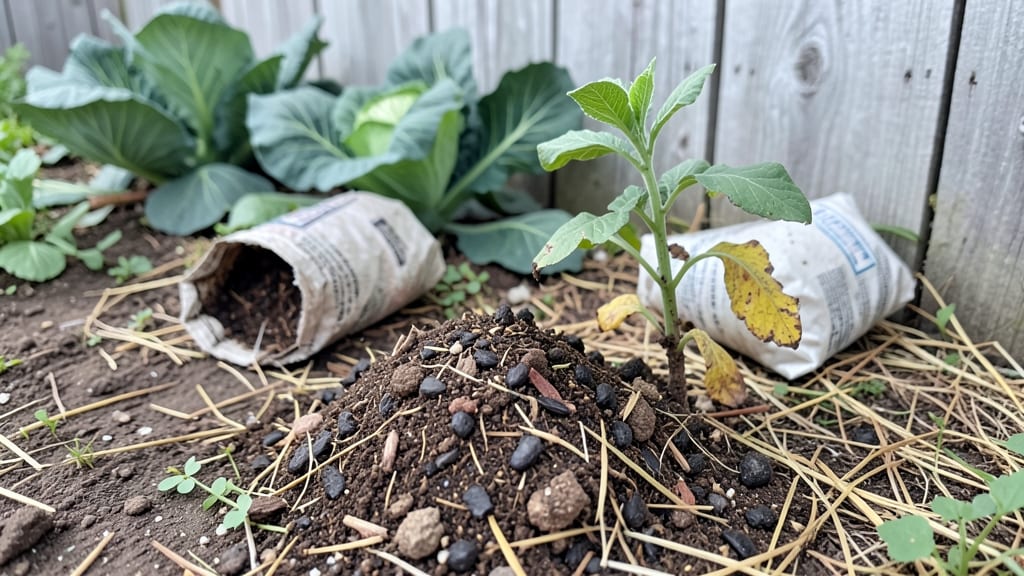
The best websites to buy seeds are reputable platforms like Baker Creek Heirloom Seeds, Burpee, or True Leaf Market, offering certified high-germination seeds, organic options, and expert gardening support while avoiding counterfeit or low-quality varieties.
The top seed retailers prioritize freshness and quality control, which directly impacts your garden's success. 🌱 For instance, Baker Creek specializes in heirloom varieties with germination rates above 90%, while Burpee offers extensive hybrid options backed by horticultural expertise.
True Leaf Market stands out for its rare botanicals and hydroponic-specific seeds, catering to niche growers. What sets these platforms apart is their commitment to transparency—each provides detailed growing guides, storage tips, and even seed-saving resources for sustainable gardening.
Beyond quality, these sellers focus on customer education. Many offer free resources like planting charts and troubleshooting guides, which help beginners avoid common pitfalls. 💡 The organic certification process they follow ensures seeds meet strict standards, reducing the risk of contaminants that could harm your plants.
For specialty needs—like drought-resistant varieties or heirloom tomatoes—these websites provide curated collections that local nurseries often lack.
💡 In This Article
- Why Seed Quality Matters for Germination Success
- How to Choose the Right Seed Seller for Your Garden Needs
Why seed quality matters for germination success
Seed viability hinges on three critical factors: genetic integrity, moisture content, and enzyme activity. High-quality seeds maintain 90-95% germination rates because they've been stored under ideal conditions—typically 35-45°F with 30-50% humidity. Organic seeds, for instance, undergo rigorous testing to ensure they're free from chemical residues that could inhibit growth.
The difference between organic and conventional seeds lies in their exposure to synthetic treatments; organic seeds are often mechanically processed rather than chemically treated, preserving natural enzyme activity that triggers germination.
Here's what actually happens at the cellular level: When a seed absorbs moisture, its cells swell and enzymes break down stored starches into sugars that fuel growth. This process requires 24-72 hours of consistent moisture—too little and the seed remains dormant; too much and it rots.
Heirloom seeds, like those from Baker Creek, often outperform hybrids in germination rates (92% vs. 85-90%) because their genetic diversity hasn't been artificially narrowed.
GMO seeds, while engineered for traits like pest resistance, may show slightly lower germination (80-88%) due to complex genetic modifications that require precise growing conditions.
Reputable sellers use standardized germination tests before packaging seeds. They place 100 seeds in petri dishes with moist paper towels at 70°F for 7-14 days, counting how many sprout. This method reveals hidden issues—like fungal contamination—that cheaper seeds might mask.
The texture of quality seeds is another clue: they feel firm and plump, not shriveled or hollow-sounding when shaken. Organic seeds often have a slightly rougher coat due to natural processing methods, which actually helps moisture penetration during planting.
What most people don't realize is how storage conditions degrade seeds over time. Even properly stored seeds lose viability at a rate of 5-10% per year—that's why reputable sellers specify "packaged this year" or "fresh harvest."
The science behind this involves lipid oxidation in seed membranes; when fats break down, the cell structure weakens. This is why heirloom varieties, bred for long-term storage, often include instructions for "stratification" (mimicking winter cold) to break dormancy in older seeds.
The contrast with mass-produced hybrids is striking: while hybrids may germinate faster, their genetic uniformity makes them more vulnerable to environmental stresses.
Consider these key factors when evaluating seed quality:
- Germination rate: Look for 90%+ rates from third-party tests (like those from the Association of Official Seed Certifying Agencies)
- Storage conditions: Seeds stored below 40°F with <30% humidity maintain viability longest
- Organic certification: USDA Organic seeds must meet 0.1% max synthetic residue limits
- Seed age: Fresh seeds (1 year old) germinate 15-20% better than 3-year-old seeds
The payoff for choosing high-quality seeds extends beyond the garden. A single packet of properly stored heirloom seeds can yield 20-30 plants, while lower-quality seeds might produce only 50% of that.
For example, Burpee's tomato seeds consistently achieve 93% germination, while generic brands from discount retailers often fall to 70%. This difference translates directly to your harvest—more seeds mean more plants, which means more food or flowers.
The sensory reward is immediate too: quality seeds produce plants with stronger flavors and more vibrant colors, making the investment clearly worthwhile.