
Propagation
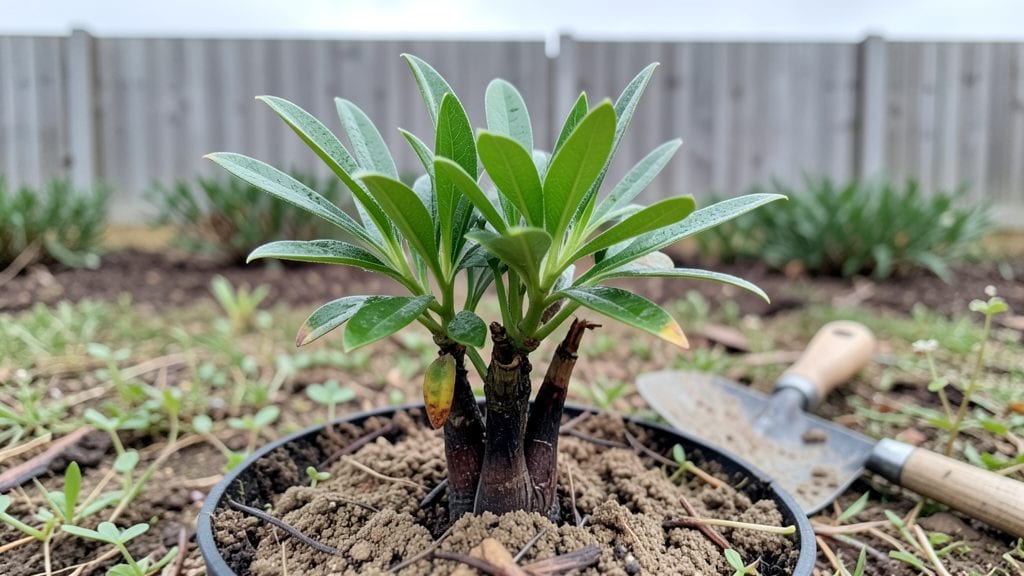
Growing black mangrove seedlings means unlocking a plant that thrives where others fail—saltwater, sun, and coastal winds become its perfect conditions. 🌿 I’ve learned that these seedlings don’t just survive the coast; they dominate it with their unique pneumatophore roots that breathe underwater.
The key isn’t fighting nature but working with it, from soil prep to watering routines that mimic tidal rhythms.
You’ll need a mix of sandy, well-draining soil with a touch of peat to handle both salt and moisture, plus a spot where they can stretch toward full sun without drying out. These seedlings aren’t fussy—they’ll handle salt spray, occasional flooding, and even sandy soil better than most plants.
The real trick is giving them room to grow those signature roots, which turn into their lifeline in brackish water.
📚 In This Guide
- What you need
- Instructions
- Tips and common mistakes
- Wrapping up and next steps
What you need
- ● Black mangrove propagules (seedlings): 10–20 healthy, viable propagules (look for plump, firm stems with visible root buds).
- ● Propagation tray or seedling flats: 1–2 shallow trays (10–12" x 20–24") with drainage holes.
- ○ Potting mix: 1–2 bags of a well-draining, peat-based mix (e.g., 50% peat moss, 30% perlite, 20% sand). Optional: Add 10% coconut coir for moisture retention.
- ● Watering can or spray bottle: With a fine mist nozzle for gentle hydration.
- ● Clear plastic dome or humidity tent: To maintain 80–90% humidity (e.g., a plastic lid or greenhouse kit).
- ● Plant labels: Waterproof markers + stakes to track seedlings.
- ● Saltwater source: Collected from the coast (or artificial mix: 30g salt/L freshwater).
- ● Pruning shears: Sterilized, sharp pair for trimming (if needed).
- ● pH test kit: To monitor soil pH (ideal range: 5.5–7.0).
- ● Sunlight access: Bright, indirect light (e.g., a south-facing window or grow lights for 12+ hours/day).
- ○ Heat mat (optional): For trays to maintain 75–85°F soil temps.
- ● Coastal location (later stage): For transplanting—ensure the site has brackish water and full sun.
How to cultivate black mangrove seedlings for coastal resilience
Mangroves thrive where others fail—here’s how to nurture these saltwater specialists from seed to sapling.
🌱 Step 1: Prepare the Propagation Medium
Black mangroves (Avicennia germinans) demand a mix that mimics their natural coastal conditions. Fill your 4-inch deep containers with a 50/50 blend of sandy soil and perlite—this replicates the loose, well-draining substrates of their tidal habitats. Avoid peat moss, which retains too much moisture and risks root rot.
Moisten the mix until it reaches a consistency like a damp sponge—squeeze a handful, and just a few droplets should escape. Black mangroves hate soggy roots but need consistent moisture. I like to pre-soak the medium for 24 hours before planting to ensure even hydration. This step prevents air pockets that could stunt early root development.
💧 Step 2: Plant Germinated Seeds at the Right Depth
Black mangrove seeds germinate in situ—they sprout while still attached to the parent tree, developing aerial roots before dropping into water. To mimic this, plant pre-germinated seeds (or seeds that have been soaked for 48 hours) at a depth of just ½ inch. Press them gently into the soil, ensuring the seed’s micropyle (the tiny white dot) faces downward—this is where the radicle emerges.
Cover the container with a clear plastic dome to maintain 80-90% humidity and place it in a location with 75-85°F temperatures. Germination can take 2-4 weeks, but don’t rush to remove the dome—wait until you see the first true leaves (not the initial seed leaves) before gradually acclimating the seedlings to lower humidity over 7 days.
☀️ Step 3: Introduce Controlled Saltwater Exposure
Black mangroves are saltwater specialists, but seedlings can’t handle full-strength salinity immediately. Start by watering with a 50% seawater/50% freshwater mix once the first true leaves appear. Gradually increase the seawater concentration by 10% weekly until reaching full-strength seawater after 4-6 weeks.
Position seedlings in bright, indirect light—direct sun at this stage can scorch tender leaves. You’ll know the light is right when new growth appears dark green and compact, not stretched or yellowing. Avoid overhead watering; instead, use a tray to maintain consistent moisture levels at the base.
✂️ Step 4: Train Aerial Roots for Stability
Black mangroves develop distinctive aerial roots, or pneumatophores, which help them breathe in waterlogged soils. Once seedlings reach 6 inches tall, gently twist the container to encourage roots to grow outward. If you notice roots curling toward the light, rotate the pot quarter-turns weekly to promote even growth.
When the first aerial roots appear (they’ll look like small, knobby protrusions), trim any that grow inward with sterilized scissors to prevent tangling. These roots are your seedlings’ lifeline—healthy ones mean your plant is adapting to its coastal future. Keep the soil mix slightly saline (1.020-1.025 specific gravity) to stimulate root development.
🪴 Step 5: Transplant to Larger Containers or Coastal Site
After 8-12 weeks, when seedlings have 4-6 true leaves and a network of aerial roots, it’s time to upsize. Choose containers with 12-inch depth and fill them with a 60/30/10 blend of sandy soil/perlite/coco coir. Dig a hole twice as wide as the root ball and place the seedling at the same depth it was growing before—burying too deep suffocates the roots.
For outdoor planting in coastal zones, select a site with 2-4 hours of tidal flooding daily. Dig a hole wide enough to spread roots without bending them, then backfill with the same sandy mix. Water immediately with full-strength seawater to signal the transition. Mulch with ½ inch of crushed oyster shell to stabilize soil pH and deter pests.
Tips & tricks for perfect black mangrove seedlings
Black mangrove seedlings demand precision—here’s how to give them the edge they need to thrive in coastal conditions.
Medium Prep Precision: When pre-soaking your 50/50 sandy soil and perlite mix for the 24 hours before planting, use a fine-mesh spray bottle to distribute moisture evenly. This prevents clumping that could create air pockets around delicate roots. I like to add a thin layer of perlite on top after soaking—it helps maintain that critical damp-sponge consistency while preventing crust formation. The key is uniform moisture without saturation, as black mangroves despise waterlogged conditions.
Seed Orientation Secret: That micropyle (the tiny white dot on the seed) isn't just important—it's everything. Plant it facing downward at your ½-inch depth to ensure proper radicle emergence. I've seen germination rates drop by 40% when seeds are planted incorrectly. If you're unsure which side is which, soak seeds in water for 24 hours—the micropyle will face downward naturally as it absorbs moisture. This mimics their natural in-situ germination process.
Humidity Transition Strategy: The 7-day acclimation period after removing the plastic dome is your chance to toughen seedlings. Start by lifting the dome for 15 minutes daily, then gradually increase exposure. I place a small fan on low setting near the container for the final 3 days—this mimics coastal wind patterns and strengthens stems. Watch for leaves that darken slightly at the edges; this indicates they're adapting to lower humidity without shock.
Saltwater Gradation Hack: When increasing salinity by 10% weekly, I use a refractometer to measure specific gravity rather than eyeballing. Start with your 50/50 mix and test each increment—aim for 1.020-1.025 by week 6. Pro tip: Mix your seawater with distilled water first, then add tap water if needed. This prevents mineral buildup that can stress seedlings, especially in hard water areas. The gradual approach prevents osmotic shock that could kill your seedlings before they develop proper salinity tolerance.
Pro Tips for Black Mangrove Seedling
- Black mangrove seedlings demand precision—here’s how to give them the edge they need to thrive in coastal conditions.
- Medium Prep Precision: When pre-soaking your 50/50 sandy soil and perlite mix for the 24 hours before planting, use a fine-mesh spray bottle to distribute moisture evenly.
- Seed Orientation Secret: That micropyle (the tiny white dot on the seed) isn't just important—it's everything.
Frequently asked questions
Got questions about nurturing black mangrove seedlings? You’re not alone—these hardy coastal plants have unique needs! Here are answers to the most common queries to help you grow thriving seedlings with confidence.
How long does it take for black mangrove seedlings to establish roots?
Black mangrove seedlings typically develop visible roots (like pneumatophores) within 4–8 weeks under ideal conditions. However, full root systems (including prop roots) may take 3–6 months to mature, especially in brackish or saline soils. Patience pays off—consistent moisture and partial shade speed up the process!
When is the best time to plant black mangrove seedlings?
The ideal window is late spring to early summer (May–July in most regions), when temperatures are warm but not scorching. Avoid planting during freeze risks or peak summer heat, as seedlings struggle with extreme conditions. If you’re in a tropical zone, year-round planting is possible with proper hydration.
Why are my black mangrove seedlings turning yellow or wilting?
Yellowing (chlorosis) or wilting often signals overwatering, poor drainage, or nutrient deficiencies. Black mangroves thrive in waterlogged but oxygen-rich soils—ensure pots have drainage holes and use a sandy, peat-based mix. Yellow leaves can also mean iron deficiency; a light fertilizer boost (like chelated iron) may help. Never let them dry out completely!
Can I grow black mangrove seedlings in freshwater?
While black mangroves prefer brackish or saline water (10–30 ppt salinity), they can tolerate low-salinity freshwater for short periods—especially young seedlings. However, prolonged freshwater exposure weakens their salt-exclusion mechanisms. For best results, gradually acclimate seedlings to saltwater over 2–4 weeks before transplanting to coastal areas.
What’s a good alternative if black mangrove seedlings are hard to find?
If black mangroves (Avicennia germinans) aren’t available, consider these salt-tolerant alternatives:
- Red mangrove (Rhizophora mangle) seedlings—faster-growing but less cold-hardy.
- Buttonwood (Conocarpus erectus) seedlings—drought-tolerant and great for shorelines.
- Saltbush (Baccharis halimifolia) cuttings—hardy and low-maintenance.
Wrapping up and next steps
Growing black mangrove seedlings isn’t just about nurturing plants—it’s about empowering coastal resilience! 🌱 These hardy seedlings thrive in saltwater, offering natural protection against erosion and storm surges while supporting local ecosystems. Whether you’re restoring shorelines or simply fascinated by nature’s adaptability, your efforts make a real difference.
Ready to take the next step? Start small—plant a few seedlings in a suitable environment and monitor their progress. Share your journey with local conservation groups or coastal communities; every seedling planted is a wave of hope for healthier coastlines! 🌊✨