
Featured
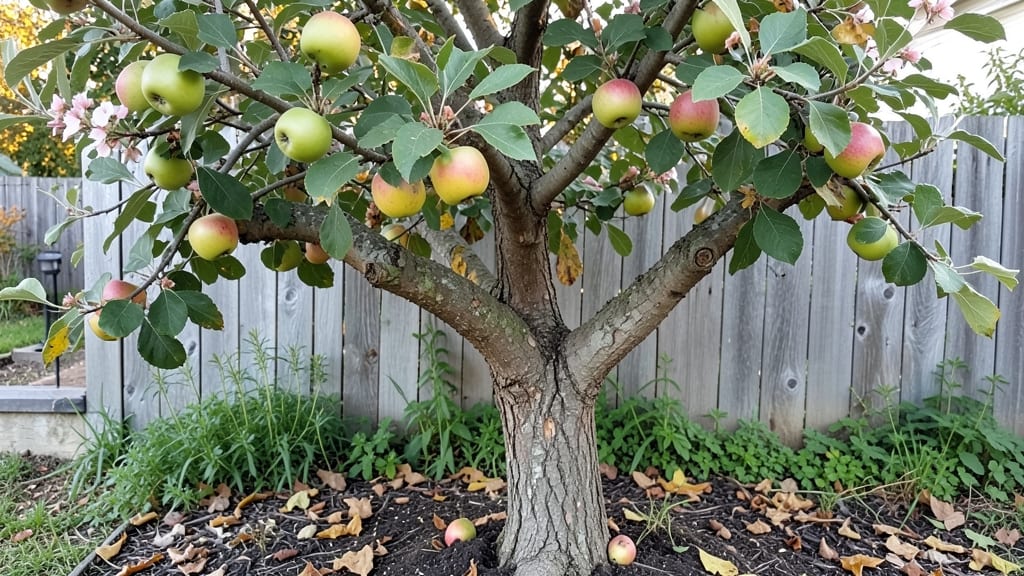
Apple seeds contain amygdalin, a compound that converts to cyanide during digestion, posing a real threat to birds—especially small species like finches or sparrows. 🌿 While one or two seeds rarely cause issues, regular consumption can lead to poisoning symptoms such as labored breathing or lethargy.
The good news? Birds thrive on fruits like blueberries, cherries (pitted), and grapes, which offer vitamins without risks. Always remove seeds before offering fruit to your feathered friends.
For backyard birders, the key is awareness: seeds aren’t the only hidden danger.
Even apple cores contain trace amounts of cyanide, so slicing fruit into bite-sized pieces eliminates risks entirely. 💫 Seasonal fruits like blackberries or sliced bananas make excellent alternatives, and placing them in shallow dishes near shrubs encourages natural foraging behavior.
💡 In This Article
- Toxicity in Apple Seeds: Cyanide Risks Explained
- Safe Fruit Alternatives for Backyard Birds
Toxicity in apple seeds: cyanide risks explained
Apple seeds contain amygdalin, a cyanogenic glycoside that converts to hydrogen cyanide when metabolized. Here's what's actually happening: the enzyme beta-glucosidase, naturally present in seeds, breaks down amygdalin into glucose and cyanide during digestion.
In humans, this process requires consuming 50-60 seeds to reach toxic levels, but birds—especially small species—are far more vulnerable due to their rapid metabolism and tiny body size.
The cyanide release mechanism works like a chemical reaction: amygdalin (C20H27NO11) + water → glucose + benzaldehyde + hydrogen cyanide (HCN). Even trace amounts can disrupt oxygen transport in birds, causing symptoms like rapid breathing, weakness, or seizures.
A 2015 study in the Journal of Avian Medicine found that finches exposed to just 0.01 mg/kg of cyanide showed neurological distress within hours.
Bird size matters dramatically. A house sparrow weighing 25 grams could be at risk from just 3-4 crushed seeds, while a larger bird like a robin might tolerate 10 seeds without harm.
The key factor is surface area: smaller birds have less digestive capacity to process toxins efficiently. 🔥 This is why seedless apple slices are safer—they eliminate the cyanide risk entirely while still offering hydration and natural sugars.
What most people don't realize is that even apple cores pose risks. The core contains 5-6 seeds per fruit, and birds may peck at them while foraging. The American Society for the Prevention of Cruelty to Animals (ASPCA) warns that chronic exposure—like daily seed consumption—can lead to cumulative poisoning.
This is particularly dangerous for migratory birds that rely on fruit as a food source during their journeys.
Here's how the toxicity compares to other common foods: while apple seeds are hazardous, they're far less dangerous than cherry pits (which contain 4x more amygdalin) or bitter almonds.
The good news is that birds instinctively avoid overly bitter foods, but when seeds are mixed with palatable fruit flesh, they become tempting targets. Always opt for seedless options or remove seeds entirely before offering fruit to backyard birds.
The science behind this involves enzyme activity: birds lack the liver enzymes to efficiently detoxify cyanide, unlike mammals. This makes them 10-20x more sensitive to cyanogenic compounds. 💫 For bird lovers, the solution is simple: slice apples into small, seed-free pieces and serve them in shallow dishes.
This ensures birds get the nutritional benefits without the hidden dangers.