
Pests
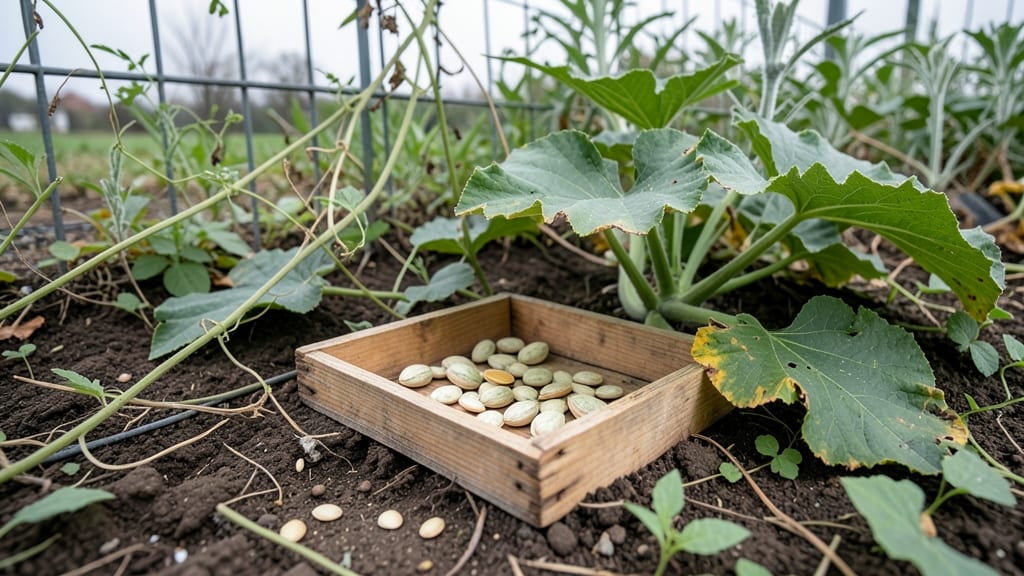
Animals like squirrels, chipmunks, raccoons, and birds such as jays and ducks naturally eat pumpkin seeds, foraging them from decaying pumpkins or fallen vines. These seeds provide essential fats, proteins, and minerals for survival, growth, and seasonal preparation.
Wildlife targets pumpkin seeds because they're packed with healthy fats and plant-based protein, which are harder to find as seasons change. 🌰 For example, squirrels and jays rely on these seeds during late fall when natural food sources dwindle, while raccoons use them to bulk up before winter hibernation.
The seeds' high magnesium and zinc content also supports immune function and bone health in these animals.
What's fascinating is how different species access these seeds. Ground-feeding birds like ducks crack open rotting pumpkins with their beaks, while squirrels hoard them in hidden caches. Even deer occasionally nibble on fallen pumpkin patches, though they prefer the flesh over the seeds.
This natural foraging behavior creates a wildlife ecosystem that benefits gardens by controlling pests while providing food for migrating birds.
💡 In This Article
- Nutritional Value of Pumpkin Seeds for Wildlife
- How to Attract Seed-Eating Wildlife to Your Garden
Nutritional value of pumpkin seeds for wildlife
Pumpkin seeds serve as a powerhouse snack for wildlife because they contain approximately 30% fat by weight, primarily in the form of heart-healthy unsaturated fats like linoleic and oleic acids.
This fat content provides concentrated energy—about 160 calories per ounce—which is critical for animals preparing for hibernation or long migrations.
For instance, a 1-ounce serving (around 28 grams) of pumpkin seeds contains roughly 9 grams of protein, making it a complete protein source for small mammals and birds that struggle to find sufficient protein during colder months when insects and vegetation become scarce. 🌱
The mineral profile of pumpkin seeds is equally impressive for wildlife. A single ounce delivers 2.2 milligrams of zinc (20% of a squirrel's daily requirement), which supports immune function and wound healing—essential for animals navigating harsh winters.
The seeds also contain 160 milligrams of magnesium (40% of a bird's daily needs), crucial for muscle function and nerve signaling, particularly for species like jays that rely on quick reflexes to evade predators.
Iron content (1.2 milligrams per ounce) helps maintain healthy blood cells, which is vital for endurance during migration flights that can span hundreds of miles. 🦉
Seasonal timing plays a pivotal role in why wildlife targets pumpkin seeds. During late summer and early fall, when pumpkins ripen and decay, they release seeds that become an accessible food source.
For example, chipmunks and raccoons will rake through rotting pumpkin patches to harvest seeds, storing them in underground caches or tree hollows for later consumption. The high fat content helps these animals build up energy reserves before winter, while the protein supports muscle maintenance during periods of reduced activity.
Birds like ducks and jays, meanwhile, rely on these seeds during migration stopovers when they need quick energy boosts to fuel their journeys. 🦝
What sets pumpkin seeds apart for wildlife is their balance of nutrients—something harder to find in single food sources during lean seasons. While acorns provide carbohydrates, they lack the protein and fat density of pumpkin seeds.
Similarly, nuts like walnuts offer fats but are often too large for small birds to consume efficiently. The seeds' small size and hard shell also make them easy to transport and store, which is why squirrels and jays favor them over bulkier alternatives.
This combination of portability, nutrition, and seasonal availability makes pumpkin seeds a cornerstone of wildlife diets during critical times of year. 🌿
The texture and size of pumpkin seeds further enhance their appeal. Their hard outer shell protects the nutrient-rich inner seed, making it durable enough to survive decomposition and weather conditions.
Once cracked open—either by a bird's beak or a mammal's teeth—the seeds reveal a soft, oily interior that's easy to swallow and digest. This dual-layer design ensures that wildlife can access the nutrients even when other food sources are less accessible or spoiled.
For example, a blue jay can crack open a seed in under 5 seconds using its strong beak, while a squirrel might gnaw through multiple shells to extract the inner seed efficiently. 🐿️
Beyond individual meals, pumpkin seeds contribute to long-term survival strategies for wildlife. The fat reserves help animals maintain body temperature during cold nights, while the protein supports reproductive health—critical for species that breed in spring after winter.
For instance, female raccoons may consume pumpkin seeds to prepare for gestation, as the zinc and iron support fetal development. Similarly, migrating birds like ducks use the seeds' energy to fuel their flights, often stopping at fields where pumpkins have been left to rot.
This creates a natural food chain where pumpkin seeds act as both a survival tool and a reproductive aid for diverse species. 🌟